


Of course we have to start with the most well known school in Folkestone. It is the Harvey Grammar School for Boys. I bet there are not many old boys left from the Harvey Grammar School who attended when it was at the location in the top scan! This is not a photo of the original school, known as the Free School, started by Dr. William Harvey, the eminent physician and discoverer of the major details of blood circulation, (His statue is on The Leas) It was much smaller and intended for 20 of the poor boys of Folkestone.
This location. near the library was established as a Grammar School in 1674 by Sir Eliab Harvey, nephew and executor of Dr. William Harvey's will. Wikipedia says this Eliab Harvey was the Captain of HMS Temaraire, the ship immediately behind HMS Victory in the line at the Battle of Trafalgar. I do not believe this to be true, as that Eliab was not born for about one hundred years after the death of Dr. William. However, he did have a nephew of that name, who was the son of William's brother Eliab. This Eliab was Sir Eliab Harvey, whom I believe was the M.P. for Essex. However, if indeed the school motto is still 'Temaraire, Redoutable et Fougueux' which is a composite of HMS Temaraire, and the two French ships Capt. Harvey captured at the battle, it is perfectly alright, because he was a Great-Grandson of William's brother.
The school eventually became too small to accommodate the amount of boys, and a new school was built in Cheriton Road where it remains operational to this day. The photo directly above dates from 2023.
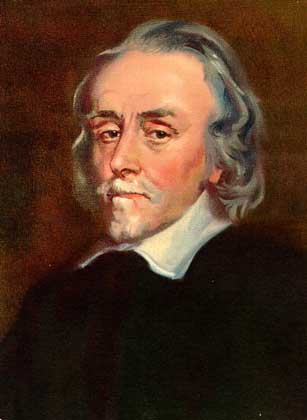
Dr. William Harvey
1578-1657
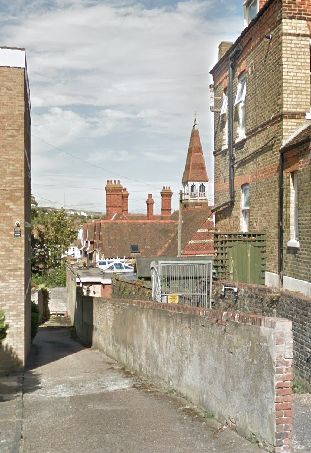
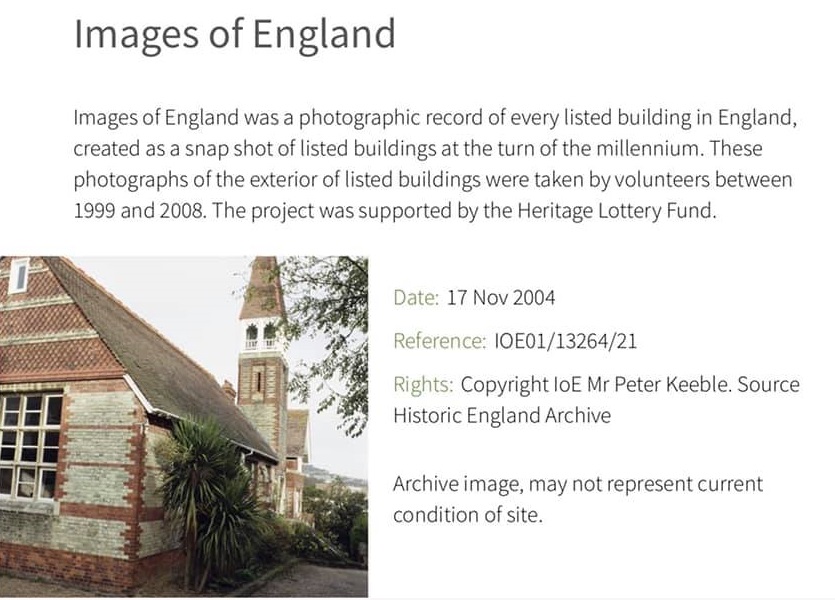
The old school on the left is still standing, and is now called Harvey Manor on Grace Hill, just as it becomes Foord Road. It has been converted into flats like most of the older buildings in Folkestone, and these sell for between £220.000 and £350,000 for a 2 bedroom at last check. I bet you have a great view from the tower!


The girls of course also had a Grammar School. In my day it was called The County Grammar School for Girls that started in the Masonic Hall, Grace Hill in 1905, it then moved to Pelham House 2 Bouverie Rd East in 1906, until it moved to Praetoria House, renaming it Penfold House, Coolinge Lane in 1922. In the 1950's when my sister Paula attended, the uniform was green, with a rounded crown hat that Paula always referred to as a Poe Hat, as in her opinion it resembled an upside down chamber pot.
The Folkestone County School for Girls merged in 1983 with other schools, like The Grange (Shorncliffe Road), Folkestone County Technical School for Girls and Folkestone Technical High School for Girls, and they are still in Coolinge Lane in the buildings above under the name of the Folkestone School for Girls with Academy status.
I don't know if it is still the same, but in my day, the only way to get into a Grammar School was by passing the 11+ exam, but often there were not enough places to take all the successful students, and they eliminated by interview. I passed the exam, but failed the interview through my shyness - yes people who know me find it hard to believe these days but I was painfully shy at age 11.

A similar style, but not the colour or band. If anyone has a photo of a green County Grammar School for Girls hat, I would love to replace this photo for yours, please?
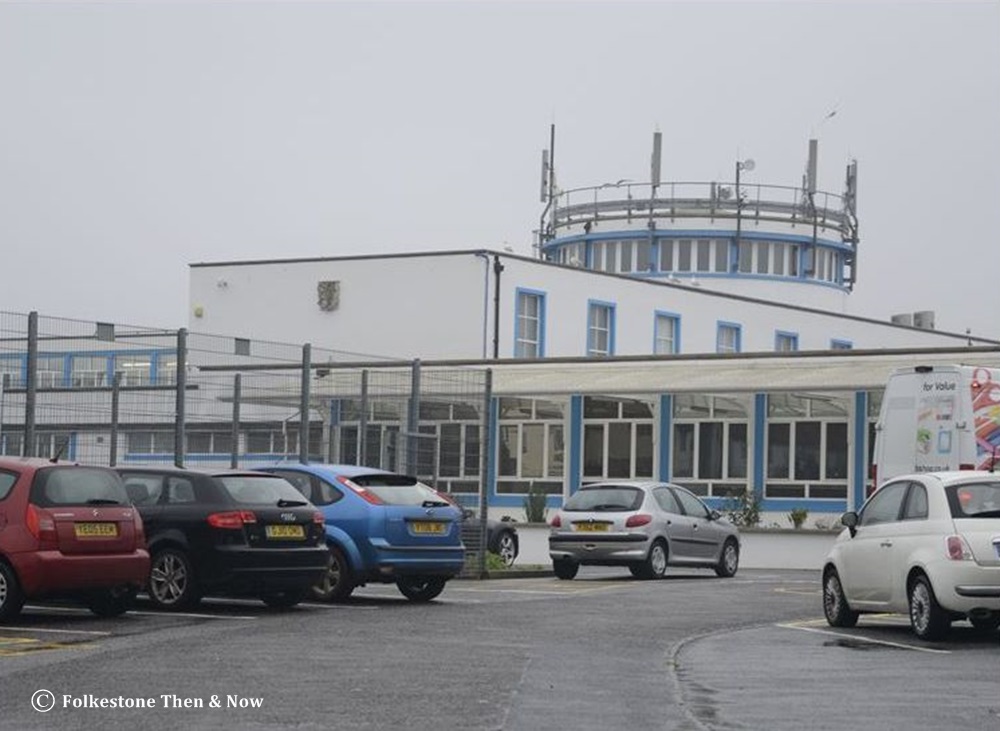
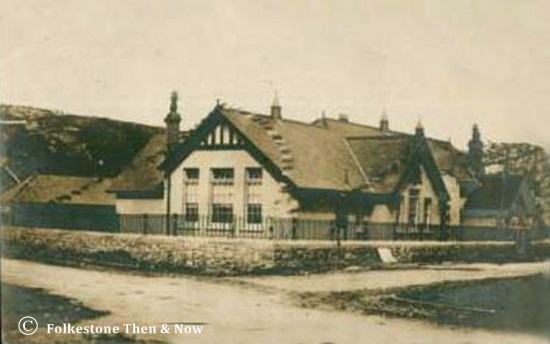
Two photos of Harcourt Secondary Modern School that was located between the bottom of Ashley Avenue and Surrenden Road. In the older photograph on the left, it's hard to tell in a sepia photo, but it had beautiful lawns in the foreground, and out of camera range on the right of the picture were several air raid shelters with the disguise of grass growing right over the top of them. In the post war years, these were out of bounds to the students.
On the other side of the school they had a hockey field and tennis courts. The art room was located in the circular structure on top. The photo dates from the mid 1950's
The photo on the right is much later, 2017 in fact, after all the beautiful lawns had been removed, and a parking lot had been incorporated, and Harcourt School for Girls and Morehall School for Boys had merged into Pent Valley Technology College. The round room now resembled the Gas Works.
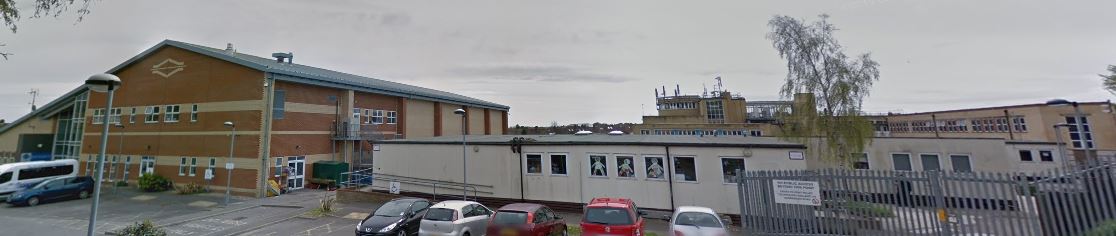
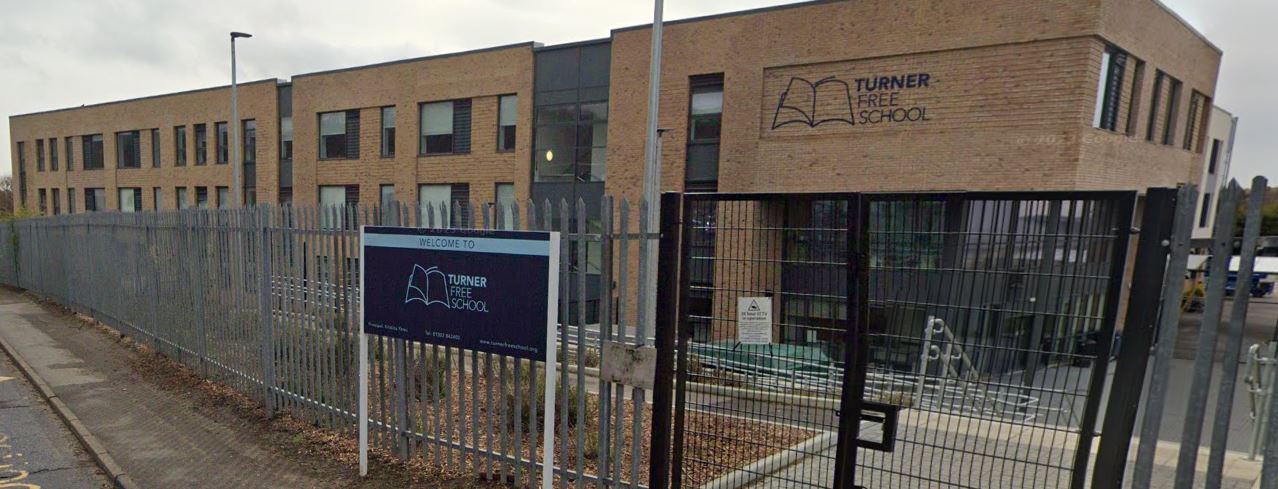
Nothing stays the same very long in Folkestone. The pupils of Harcourt School for Girls and Morehall School for Boys were put together into the Harcourt building, and it was renamed the Pent Valley Technology College. I am guessing that wasn't too successful, because eventually the Harcourt building was demolished, and a brand new school was built for the Turner Free School, and the pupils went there. As far as I understand, the Turner Free Schools have taken over the running of that one, and Folkestone Academy, plus Morehall Primary and Martello Primary. They receive funding from the Council, and follow the curriculum set by Ofsted
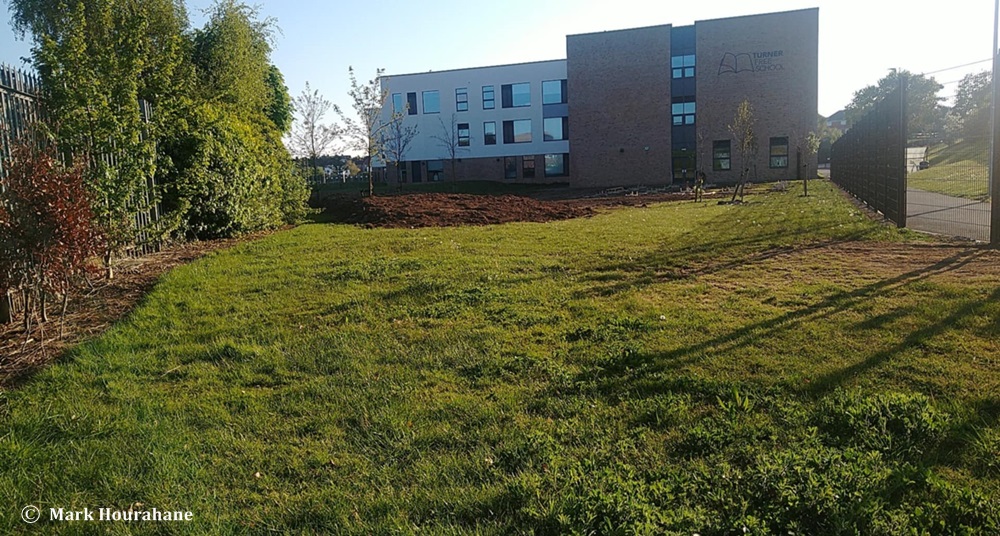
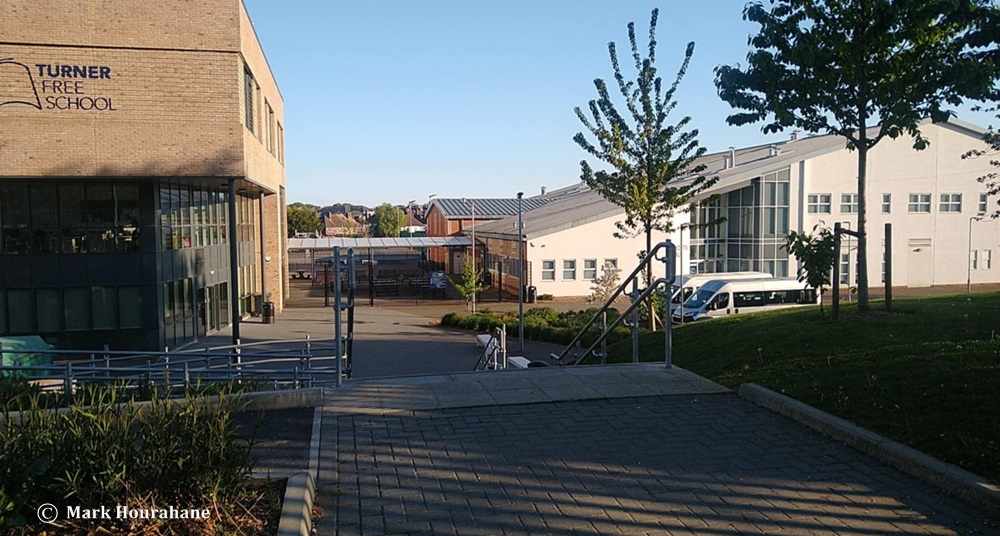
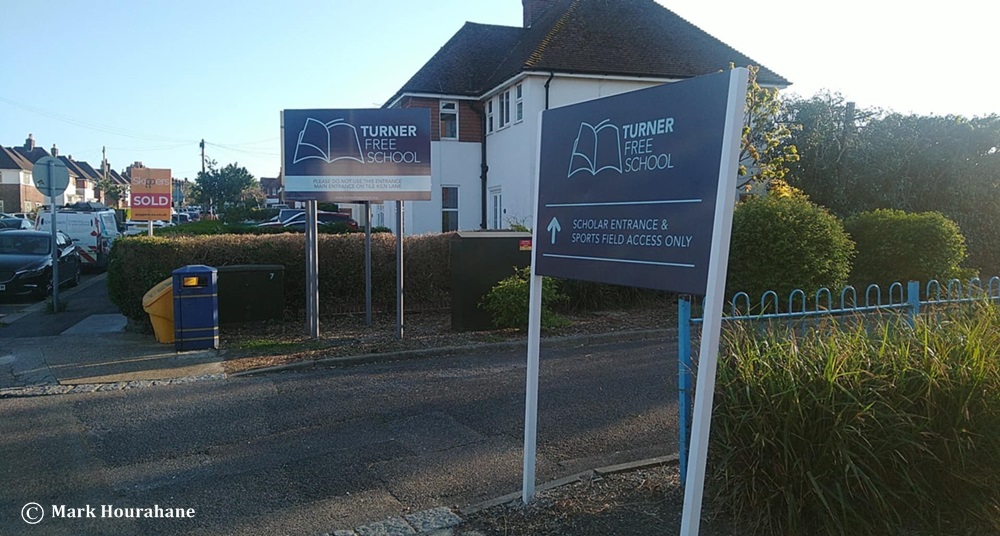
Mark Hourahane very kindly took a stroll round the area of the new Turner Free School for me, so here are some 2025 photos:
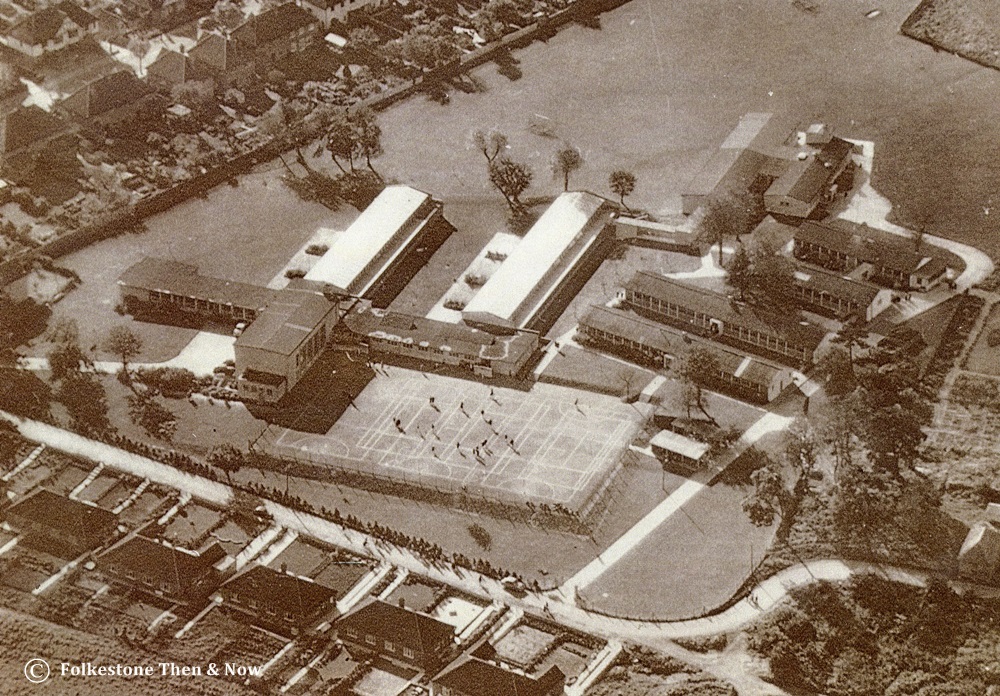
An aerial shot of Holy Well Secondary School for Girls. I didn't realise it, but it was only in operation from 1947 to 1955. You can see why they needed to rebuild though, with all the additions they had made to the classrooms when this photo was taken.

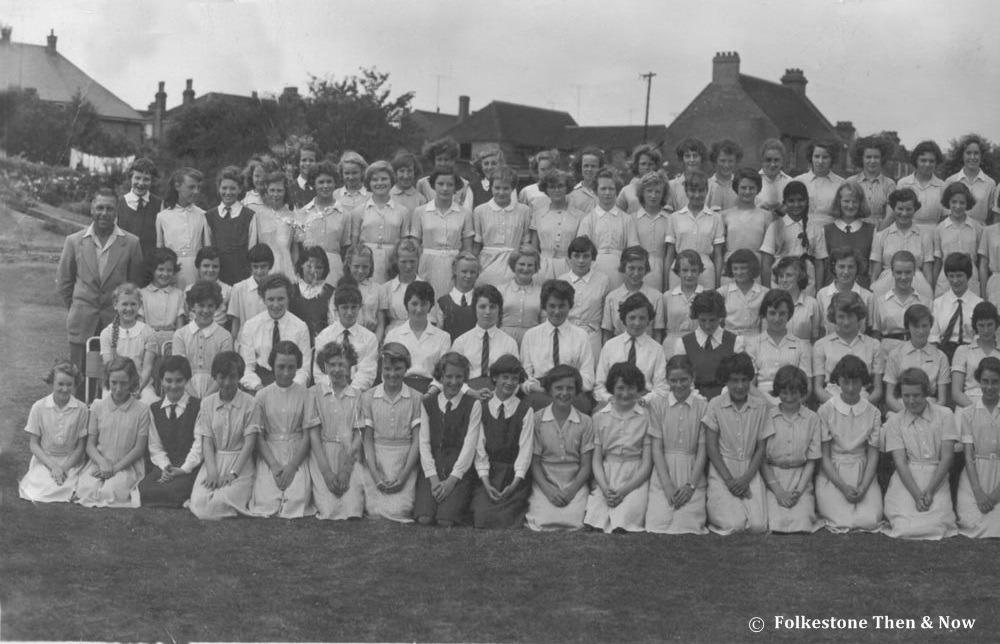
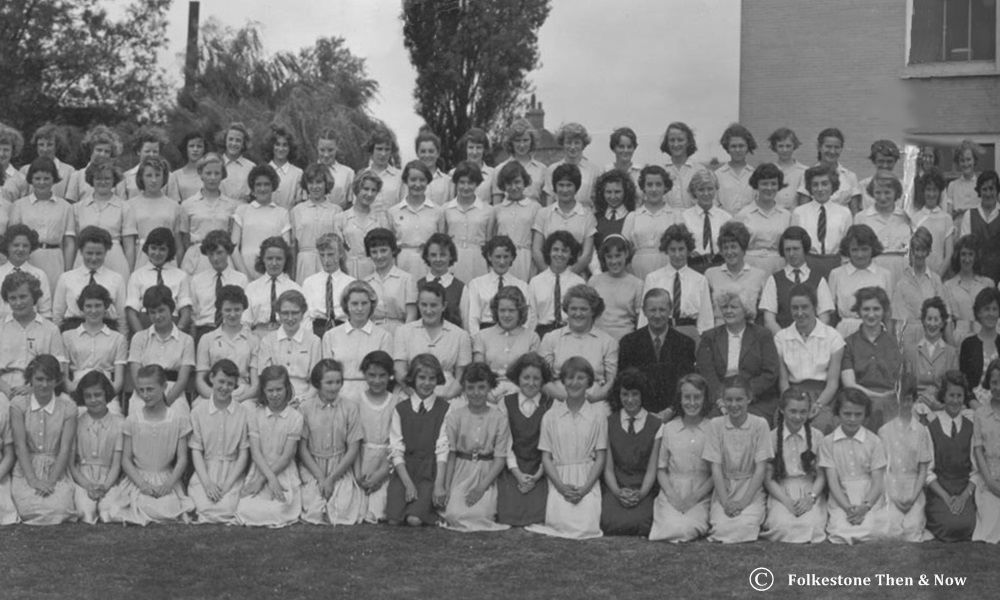
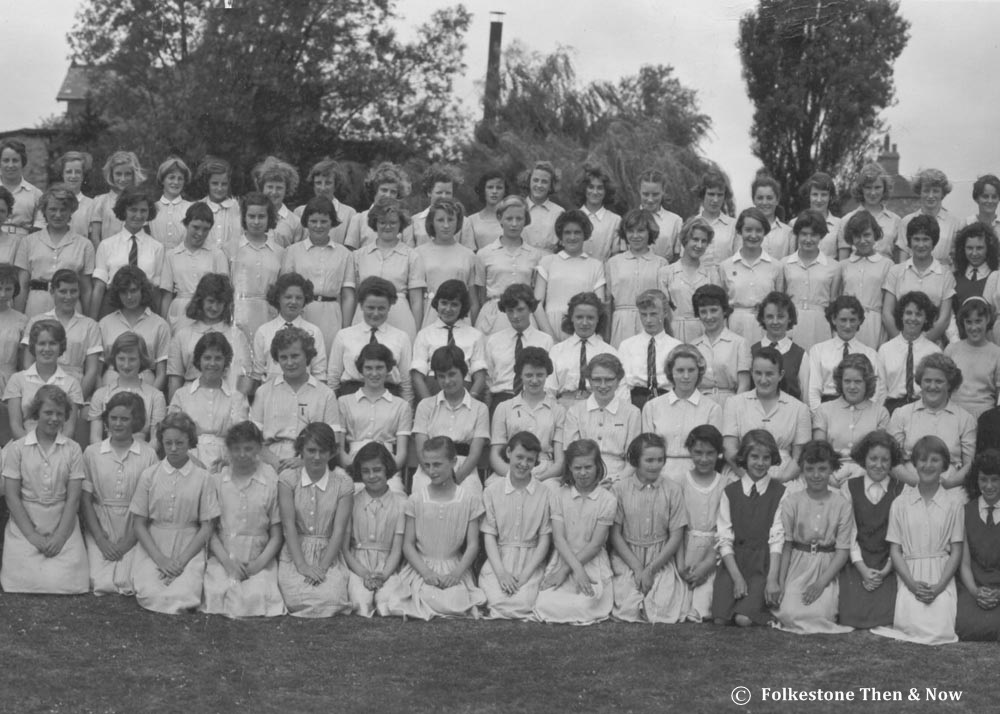
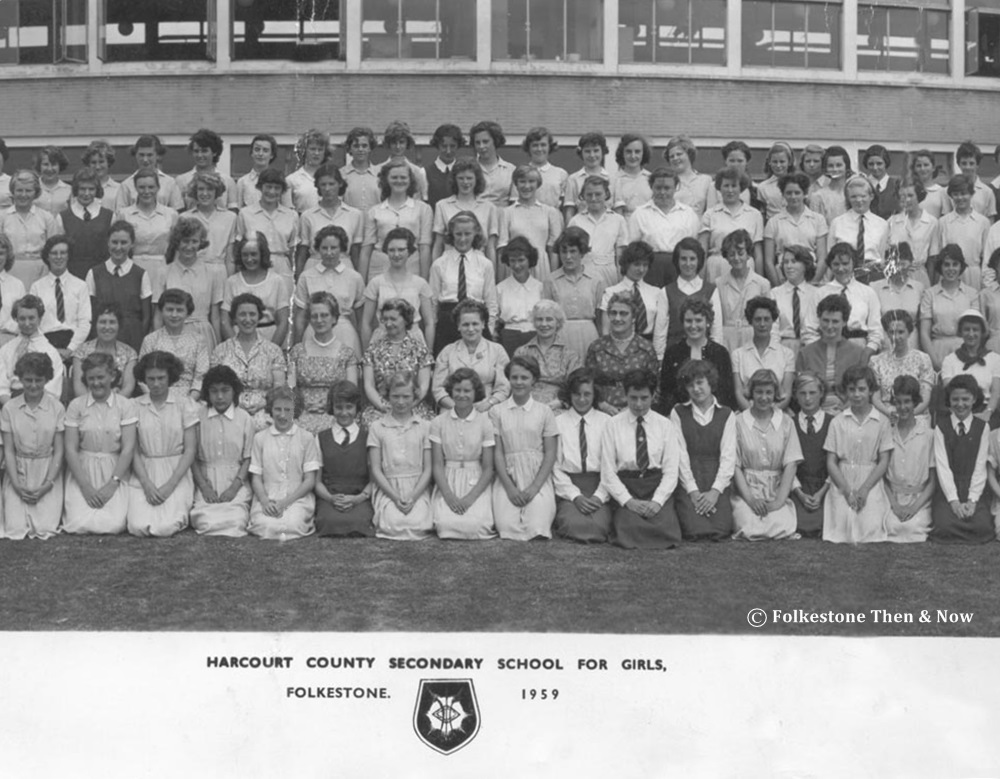
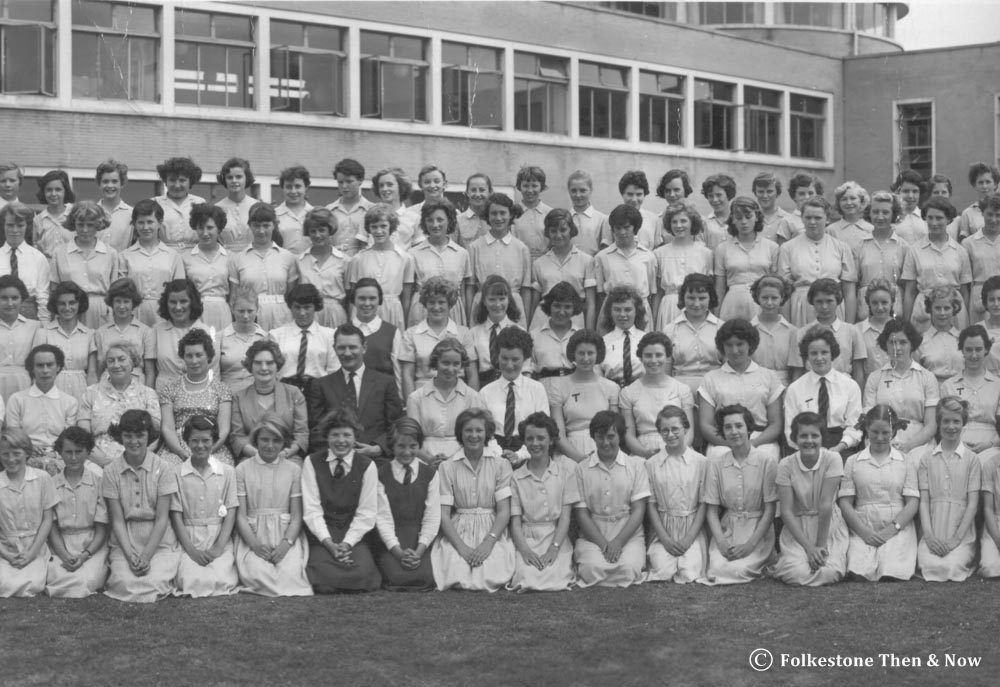
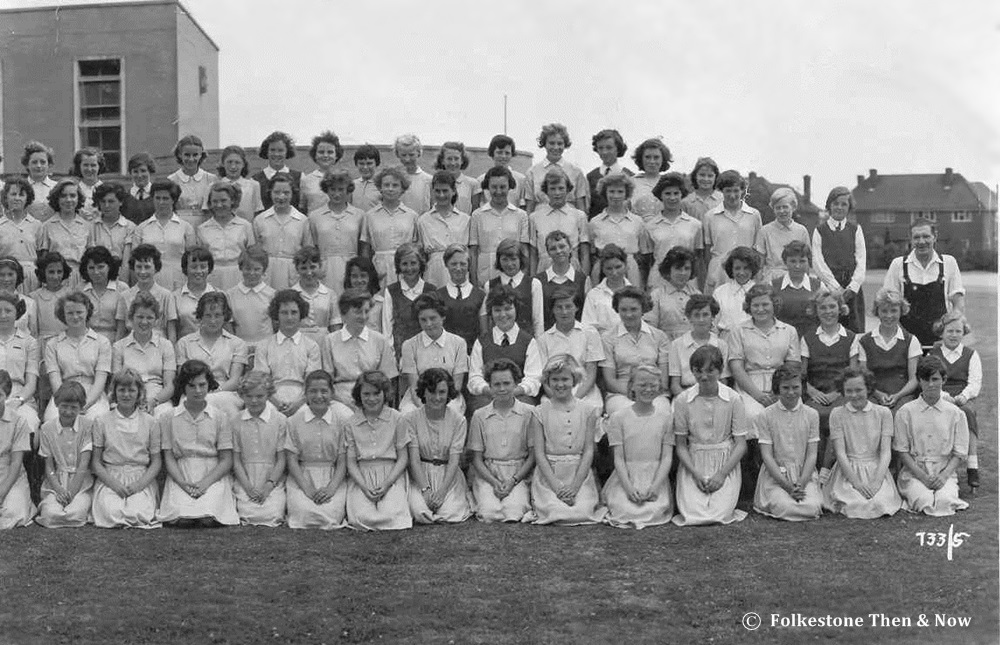
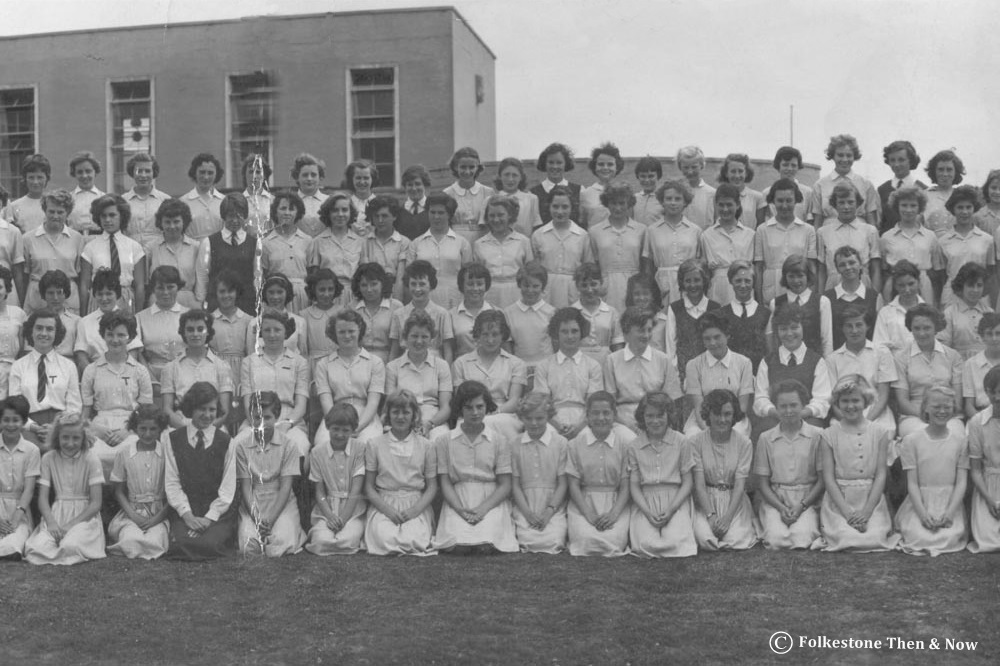
This is a photo of the whole of Harcourt School for Girls in 1959. We all sat in a semi-circle and the camera panned around, and the photo came out with us all sitting in a straight line. It has been scanned in 7 pieces, so if you would like to see each section enlarged, click on the miniscule white writing at the bottom of each section. If you want to return to this page, you will have to click your back button. My apologies to the people who got caught in the creases and cracks in the photo, it is about 66 years old, and has traveled half way round the world rolled up. Note: For some unknown reason, the photographer did not want each class to sit together, so in some cases you will see classmates sitting at opposite ends of the row. Who can name all the teachers?
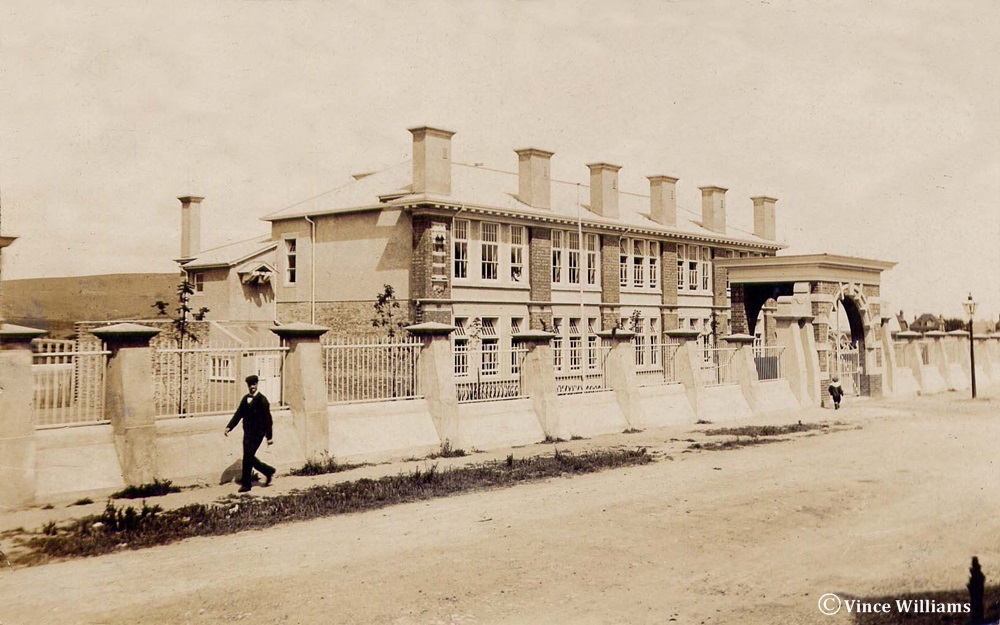
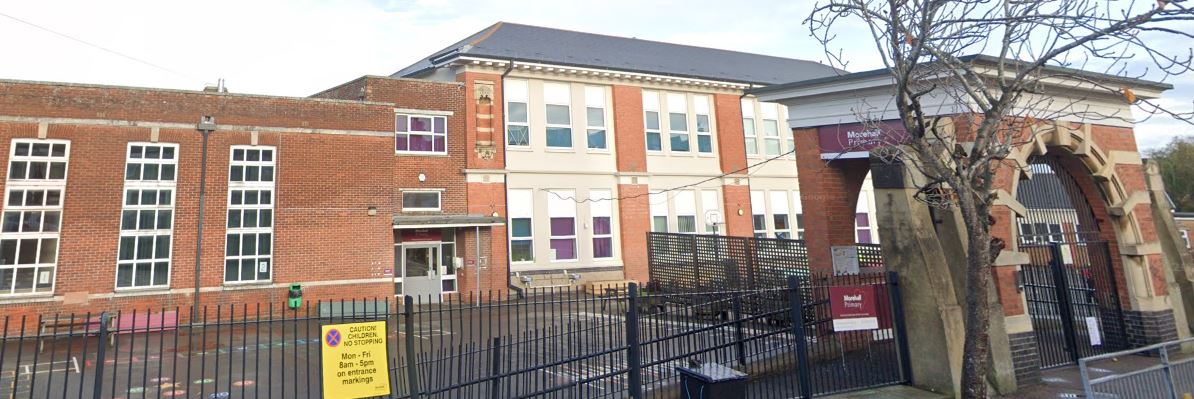
This is Morehall School in 1909, supplied to me by Vince Williams, who has written some fabulous books on Cheriton, well worth seeking out. This school on Chart Road has undergone many changes throughout its life, and so far the building is still standing, which is a miracle for Folkestone. It has been a co-ed school, an all boys school, an all girls school, a secondary modern school, a daycare and according to the sign in 2022 pictured right, it was a primary school - however, as I am typing this in 2025, who knows?

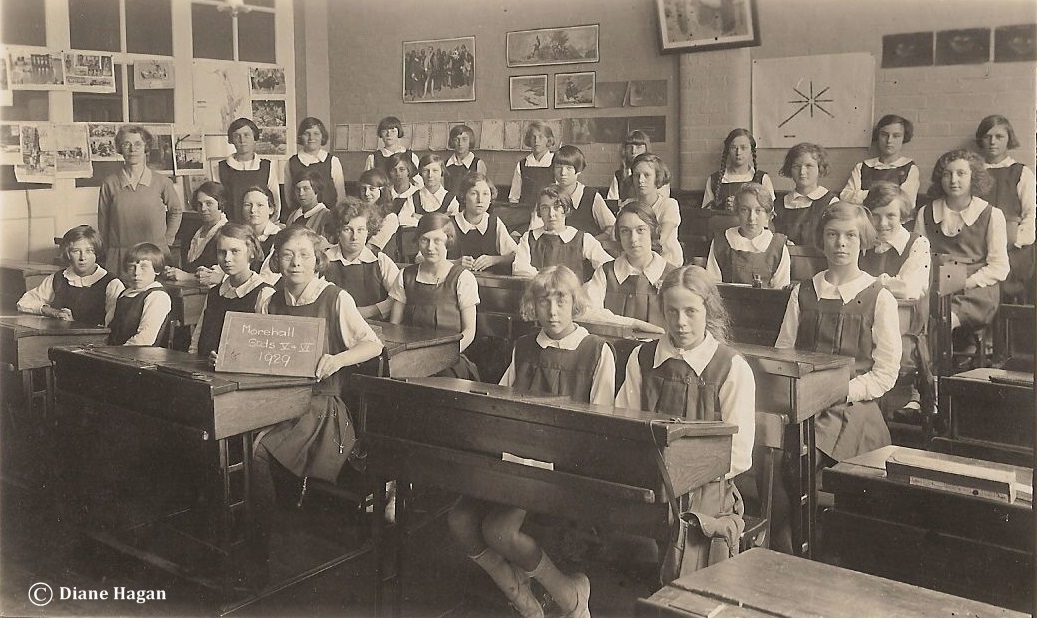
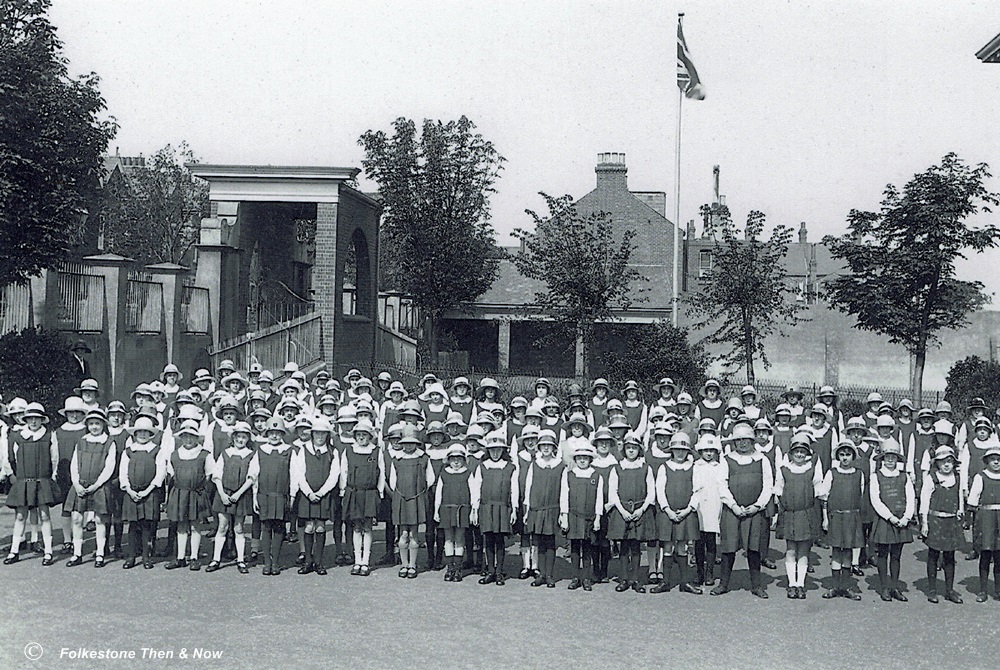
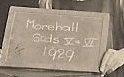
Personally I always knew Morehall as a Boy's Secondary Modern School, but it was in fact a Girls school from the time it opened in 1909 until 1939, and although the photo above left is sepia and the other one is black and white, I would date them from around the same time which was 1929 according to the board held by the girl in the front. I haven't figured out what the word is between Morehall and V & V1 It could be Grds I guess, as in Grads, but it still looks more like Sods to me. Thank you Diane Hagan, it's a great photo.
This is the new building, and unlike Harcourt and Pent Valley, it is accessed from Tile Kiln Lane instead of Surrenden Road or Ashley Avenue. The building has little character compared to the one they demolished, but plain boxes appear to be the fashion at the moment, so I have to get used to it.
I do hope they are successful, they state they can have success without selection unlike the Grammar Schools. The aim is not University for all students, but a possibility of it for those with potential and the interest. They are also hoping to find apprenticeships for some, and are teaching French in all their schools to give them more opportunities for employment with companies like Eurotunnel.
This photo is not one of Mark's, it dates from 2015 and you can see Pent Valley Technology College still standing in the background.
The above are more schools that were merged together. Dover Road school in the centre moved to Park Farm and was renamed Hillside. Wyndgate Secondary School merged with Hillside School for Boys and Holywell School for Girls during the 1970's, eventually renamed to the Channel High School in the 1980's and the Channel School in the early-mid 1990's. However in late 2006 they were all replaced with Folkestone Academy below in 2007 and that school remains open to this day under the operation of Turner Schools.
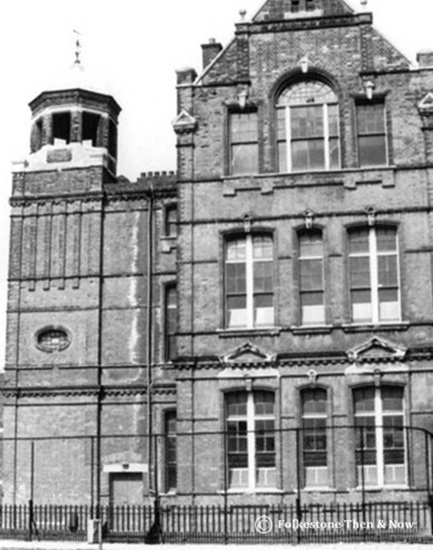
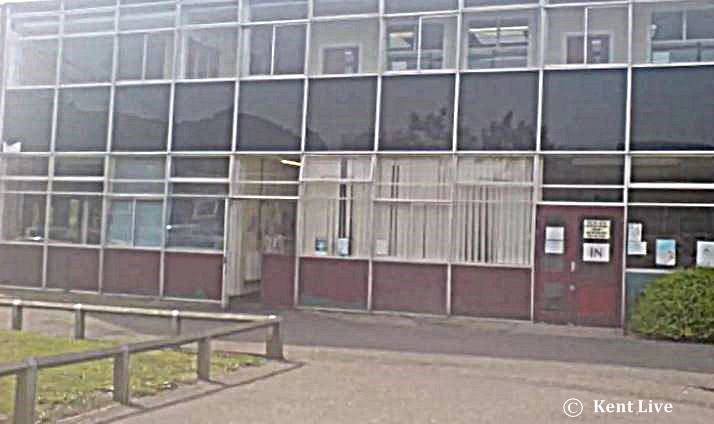
Dover Road School, where the boys were known locally as the Dover Road Dustbin Raiders!
The top photo is of the Channel School, formerly known as Wyndgate Secondary School, and directly above is W. A. Parks, headmaster of Dover Rd/Hillside overseeing the school being rebuilt at Park Farm. Mike Vernol, who went to that school and sent me the photo, told me he was probably the best headmaster in Kent, for all aspects of education, whether academic or sporting, from the late 1940's to the middle 50's when he retired.
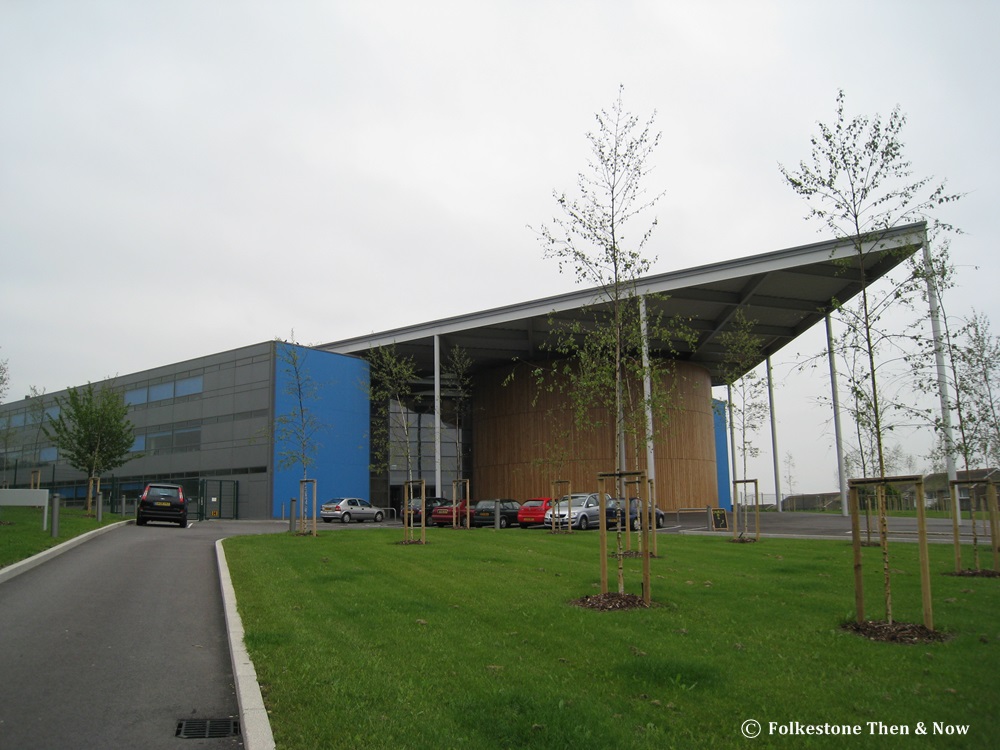
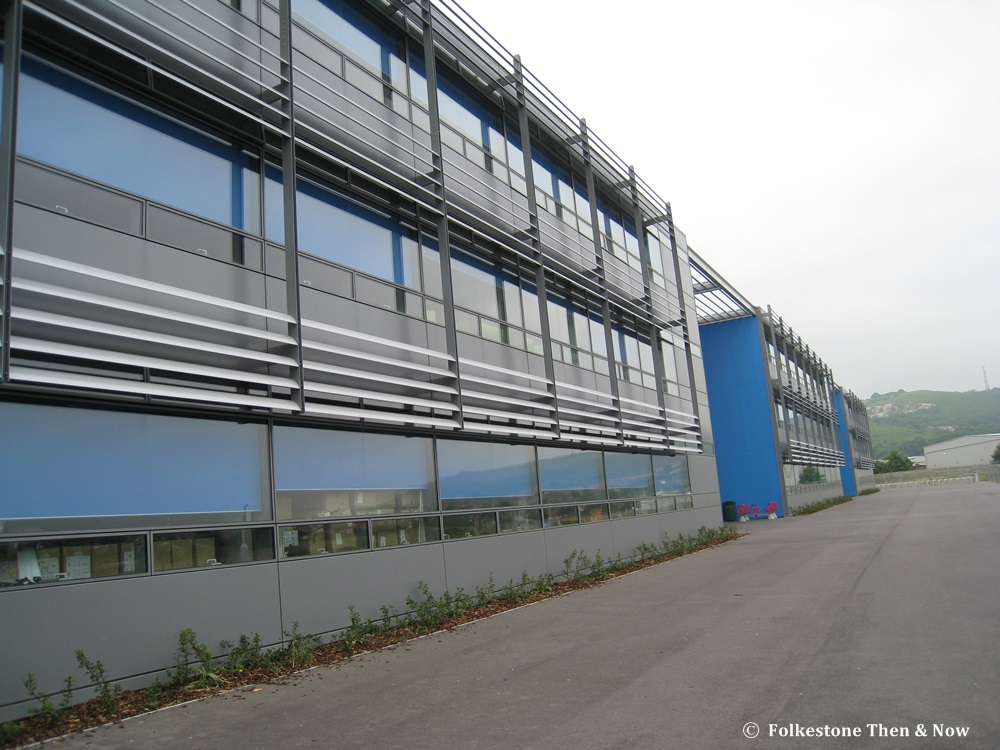
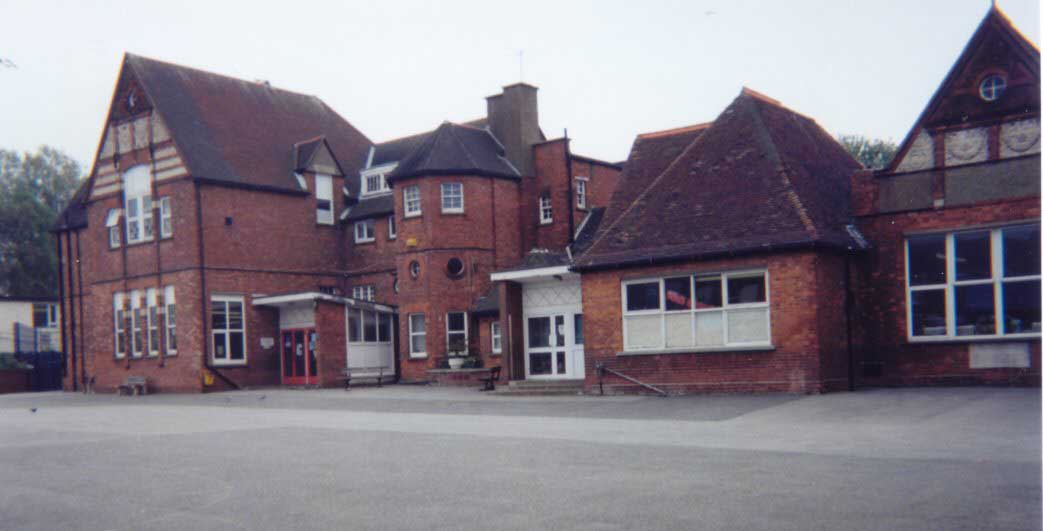
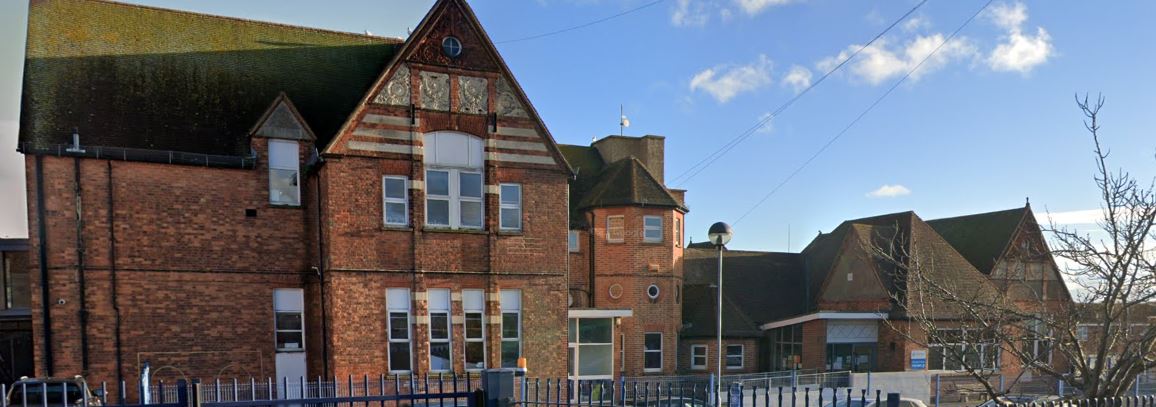
This was my primary school, as we were living at 68 Canterbury Road at the time. It was George Spurgen Community Primary School in Sidney Street, Folkestone. This is a Then & Now comparison, except the school looks and is exactly the same, but at the end of 2006 it was called George Spurgen, named after a Folkestone Town Councillor, and in January 2007 it was named Castle Hill Community Primary School. The only reason for this change that I could find online was that it was renamed for a 'Fresh Start'.
St Eanswythe’s Church of England Primary school is named after Folkestone’s very own Saxon saint. The young princess turned nun is buried in the Parish Church on the opposite side of the street.
St Eanswythe was an Anglo-Saxon saint who first established the Christian church in Folkestone and whose name is given to the parish church. Born circa 614 Eanswythe was a Saxon princess. Her parents Eadbald, King of Kent and Emma, daughter of the King of the Franks. Eanswythe’s grandparents were King Ethelbert of Kent and Queen Bertha who both welcomed St Augustine when he arrived in Kent in 597AD.
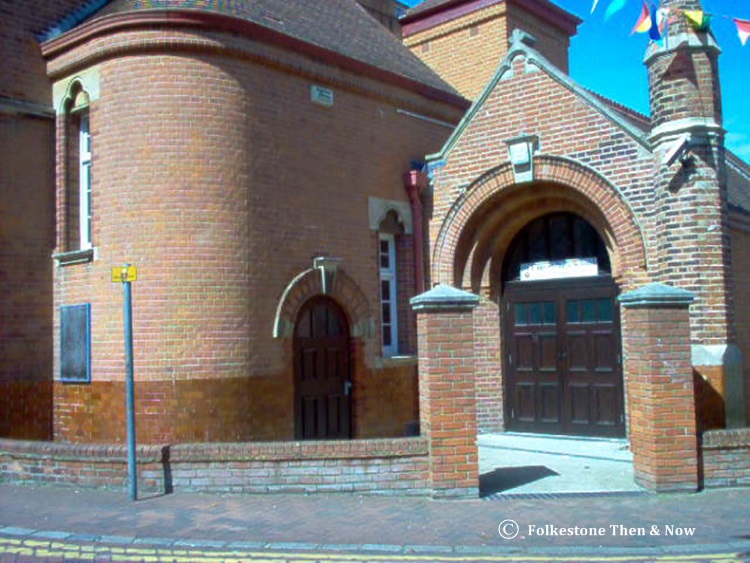

Circa 630 AD Eadbald built a chapel for Eanswythe in his castle somewhere in The Bayle, east of the present church in Folkestone. This chapel was dedicated to St Peter & St Paul. Here Eanswythe settled with a community of nuns as Abbess and Founder of the first religious Community for women in England. The date of Eanswythe’s death is usually given as 640AD. The monastery did not survive her, being either ruined by marauders or victim of coastal erosion or perhaps both. It was later replaced by a Priory which remained until the Dissolution by Henry VIII.
Several legends are told about St Eanswythe. Her story is that she chose not to marry and refused a Northumbrian prince as suitor.
St Eanswythe’s Day is on 12th September. This is the date when her relics were translated to the new church in 1138. These relics were rediscovered in a small leaden Saxon casket in the north wall of the High Altar Sanctuary in 1885, when work on the present alabaster arcading of the chancel was being undertaken. In 1980 the bones were examined and catalogued by an expert. The conclusion was that they came from one human skeleton, a young female adult aged between 18 & 25 years about 5 feet 4 inches in height. This is consistent with Eanswythe’s life story.
The foundation stone in the school’s wall gives the date for the setting up of the Woodward Institute and School at the turn of the previous century.
At various times it has been just for boys or purely a junior school. During World War II many people from Folkestone were evacuated, as were most schools.
The school was noted for swimming, at the seawater baths behind Marine Crescent, cricket, played on Radnor Park with a hard ball and singing, providing members of several church choirs.
Parents of some of the present children remember being taught by Peggy Jameson in the infant department, David Bence for the juniors and Harold Jameson, the head, in the top class. As a linguist the Head encouraged French, with trips abroad. He could be found outside the archway’s forbidding gates seeing the children out every evening. Like the “Windmill Theatre” he claimed never to close, the hardest winter finding Rob Moody’s class lighting the playground with candles in ice lanterns.
Above information gleaned from the St. Eanswythe's School website.
In 1852 Canon Matthew Woodward, vicar of the church of St Mary and St Eanswythe wrote to Earl Radnor: ‘Folkestone contains a population of nearly 6000 souls, a large proportion of which is of the Poorer Classes.
The population has increased very rapidly during the last few years; but, it is to be regretted, the means of affording an Education to the Children of the Poor has not increased in proportion. There are no National Schools for Boys and Girls in which they can be trained up under the sheltering wing of the Church of England’
Canon Woodward goes on to describe how: ‘ the indescribable ignorance of many of the Young Men, who gladly attend an Adult Evening School, which I have opened to them gratis, very forcibly urges the necessity of more School accommodation for Folkestone’
It was thus, largely through the ‘meritorious exertions’ of Canon Woodard, who raised money by public subscription and persuaded the Earl of Radnor to grant a suitable site on what is now Dover Road, that St Mary’s Higher Grade School was founded in 1854, in association with the National Society for Promoting Education. The National Society had been founded in 1812 and had begun to establish and coordinate elementary education across the country. This was many years in advance of the Act of Parliament which laid a statutory duty on local authorities to provide schools.
S. J Mackie in his 1859 ‘Handbook of Folkestone for Visitors’, informed readers that the buildings were erected from designs by Messrs Messenger and Keeble at a cost of £2400.
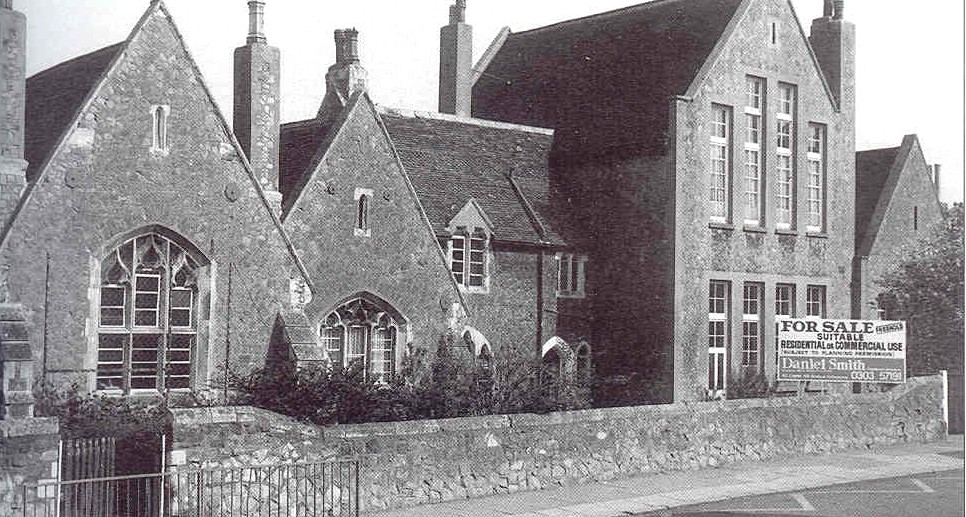
H Stock described the building as ‘a series of neat Gothic buildings of Kentish ragstone, with Caen stone mouldings and dressings, comprising spacious school rooms for boys, girls and infants with classrooms and residences for the master and mistresses.
In the largest room two full services were held every Sunday by the Sanction of the Archbishop, ‘for the children and the accommodation of persons resident in that locality.’
Until the Second World War, St Mary’s functioned as three separate schools, Boys, Girls and Mixed Infants, each with its own Head Teacher. As a Higher Grade School St Mary’s was regarded as being superior to the other local schools which were founded as Board schools. Children paid to attend St Mary’s (in 1871 two pence a week for infants and sixpence a week for older children) whilst the Board schools were free.
Information gleaned from the St. Mary's website
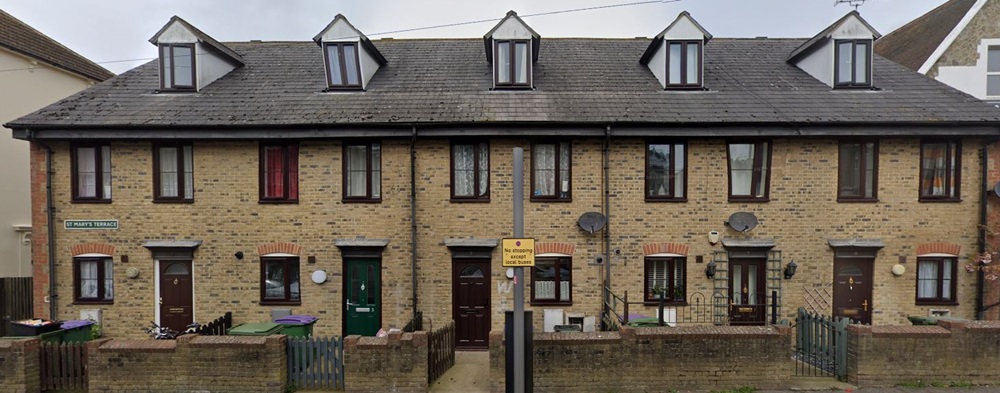
St. Mary's Terrace 2023 built on the site of St. Mary's School
St. Mary's School, Dover Road
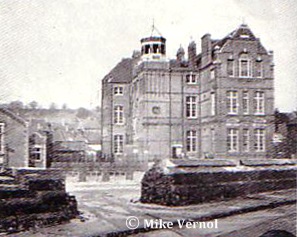
To the left is another very small photo of Dover Road school, supplied by Mike Vernol, and taken from the Church of St. Michael & All Angels that used to be directly opposite before demolition.
St. Mary's National School, Dover Road, was built on a deed of grant from the Earl of Folkestone for 575 children, costing £4.000. It was founded in 1854 by Matthew Woodward vicar of the Parish Church and opened in 1855 with Charles Tye as the master, Mrs. Jane A Tye as the mistress and Miss Esther Elliott appointed infants mistress. In 1902 the school had an average attendance of 200 junior boys, 200 junior girls and 150 infants. It later became a junior girls school with Arthur Pendlebury-Green as the headmaster.
St. Mary's School, now called St. Mary's Academy, moved to new premises in Warren Road in June 1982 and the old school in Dover Road was put up for sale for an asking price of about £90,000. Part of the school was used by St. Mary's Social Club, now Dover Road Social club and the other part by a playgroup, which is now occupied by the Shepway Amateur Boxing Club. In 1994 the unused part of the school was sold for development and demolished in April and May of that year. That part of the site is now occupied by these five town houses called St. Mary's Terrace.
Information gleaned from Alan F. Taylor, President of the Folkestone & District Local History Society
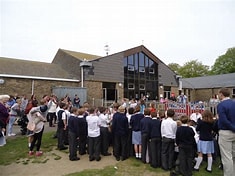
St. Mary's Academy, Warren Road
I recommend you take a look at the videos on their school website. The kids all look so happy to be there, makes me almost want to go back to Primary school again!
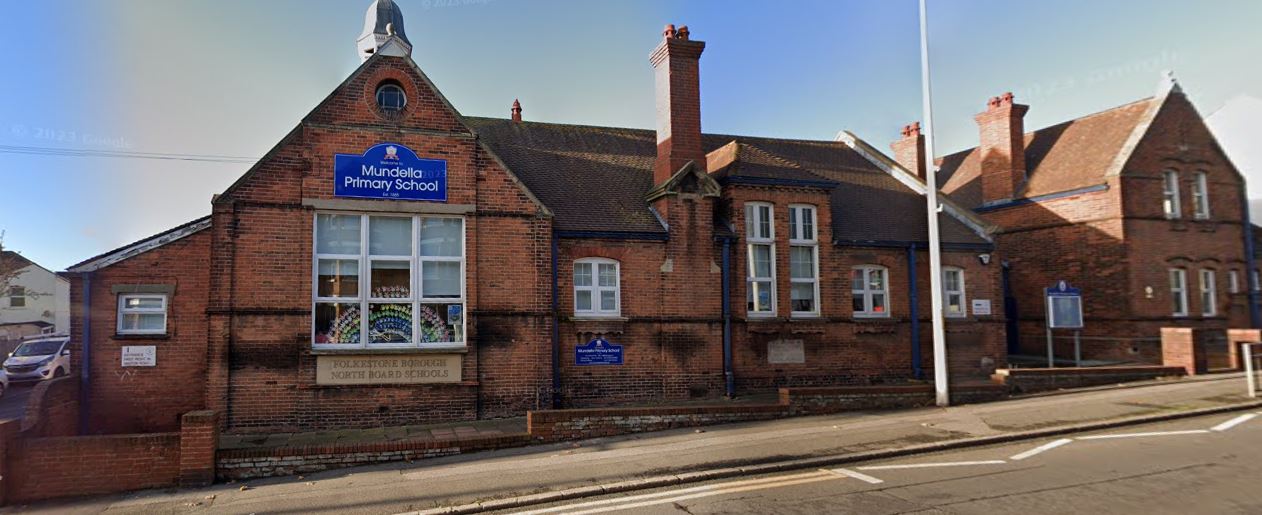
Mundella has to be one of the oldest schools in Folkestone, and must have a pretty rich history. However, by looking online, and through their website, I have been unable to find any. All I can tell you is that it is located in Blackbull Road, it has a foundation stone on the front that is hard to read, but I think it was laid 2nd May 1884 by Major William J Jeafferson. Another plaque says Folkestone Borough North Board Schools. I believe this indicated it was a free school as opposed to a private school for which you pay a fee.
Let us look now at some schools that have fallen by the wayside over the years. In the late 1800's and 1920's Folkestone had many small private schools, many of which attracted boarding pupils from abroad from wealthy parents wishing their offspring to obtain a genteel English education that would reflect well on their status, and their hopes for their future.
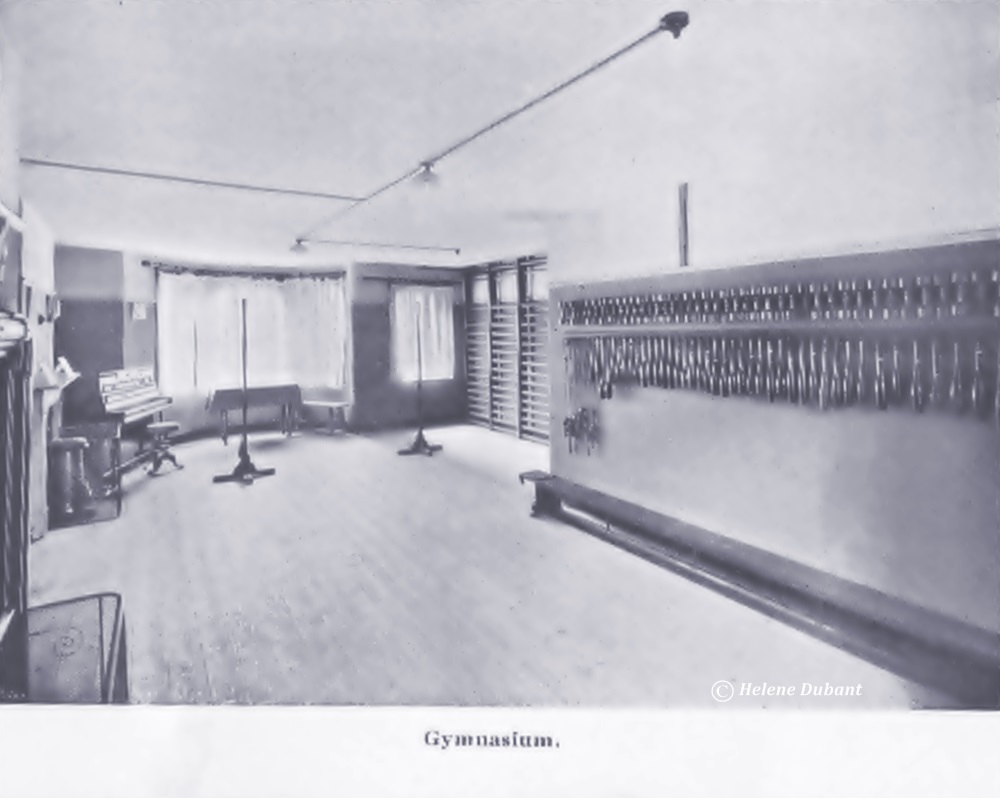
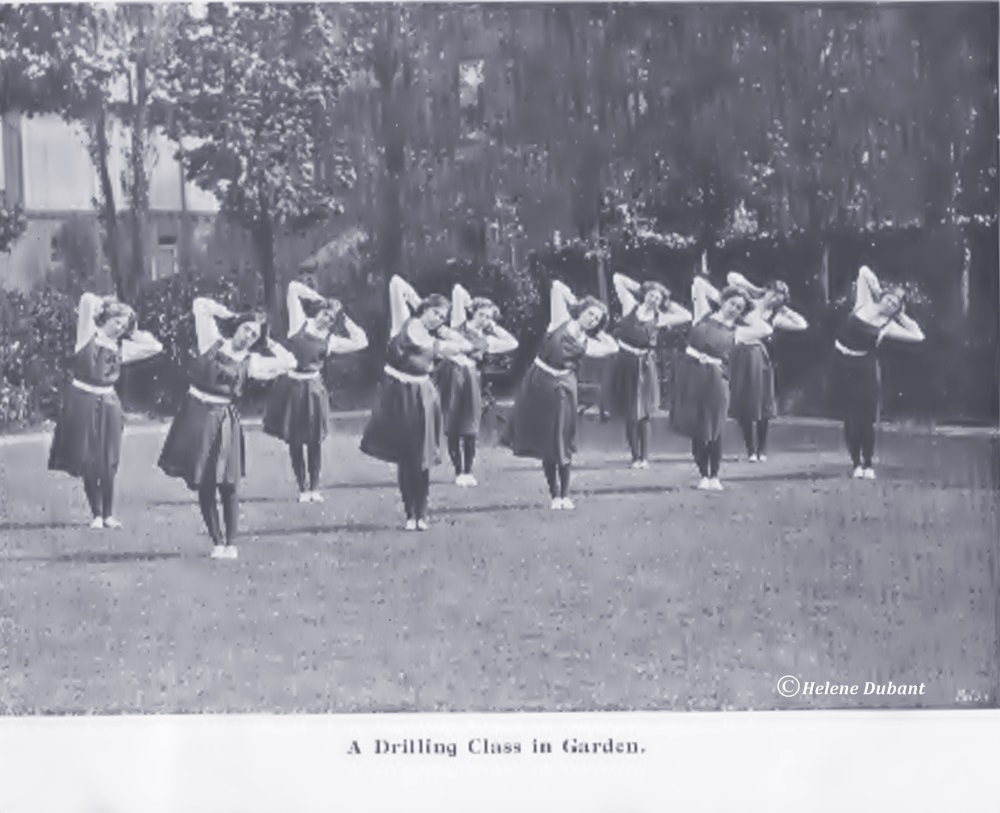
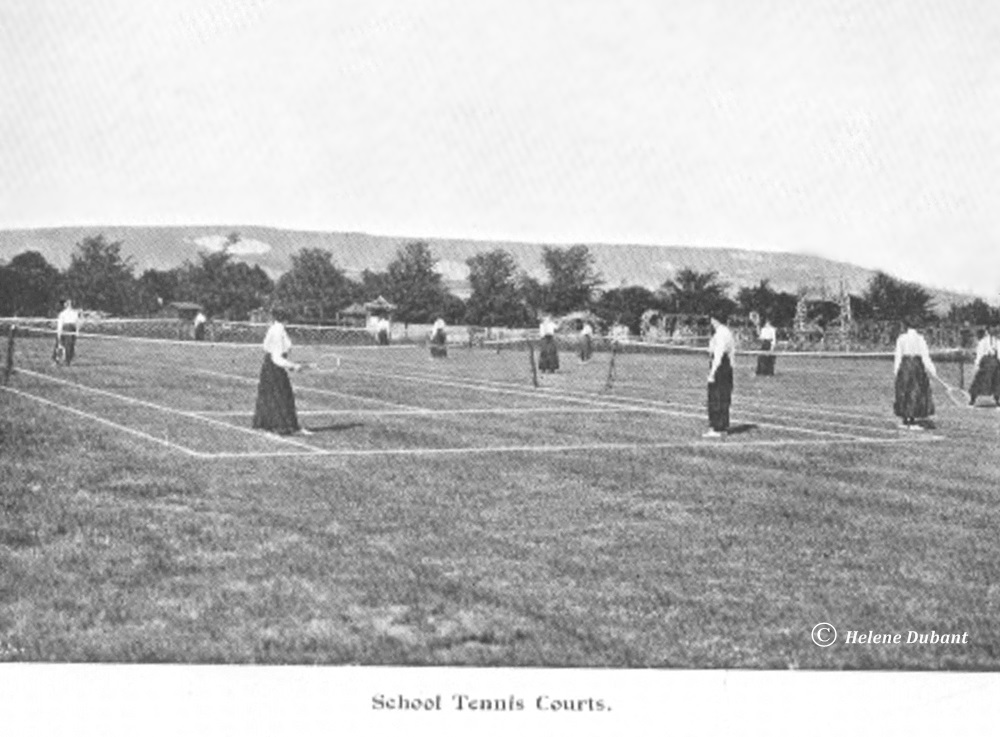
We will start with Montague House in Westbourne Gardens, mainly because I am lucky enough to have quite a few photographs of it, sent to me by Helene Dubant of France, who tells me her Grandmother was a pupil there around 1912.

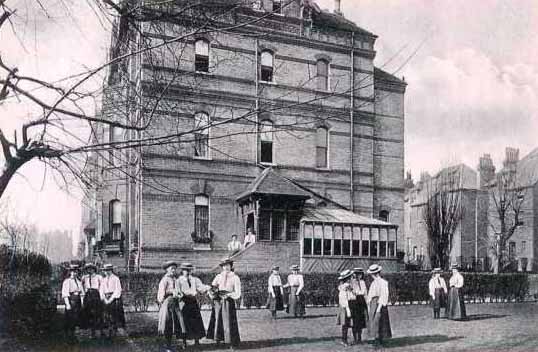
As you can see, Montague House wasn't one of the small private schools. They also took boys too, but I am not sure if it was at the same time, or they switched gender at some point. For 20 guineas per term, you got all the basic tuition, room and board. For an extra fee, you could also have your child enrolled for piano or violin lessons, solo singing, drawing & painting, riding, swimming, fencing, elocution, latin, dancing, drilling & gymnastics, and you could also reserve your child a seat in church!
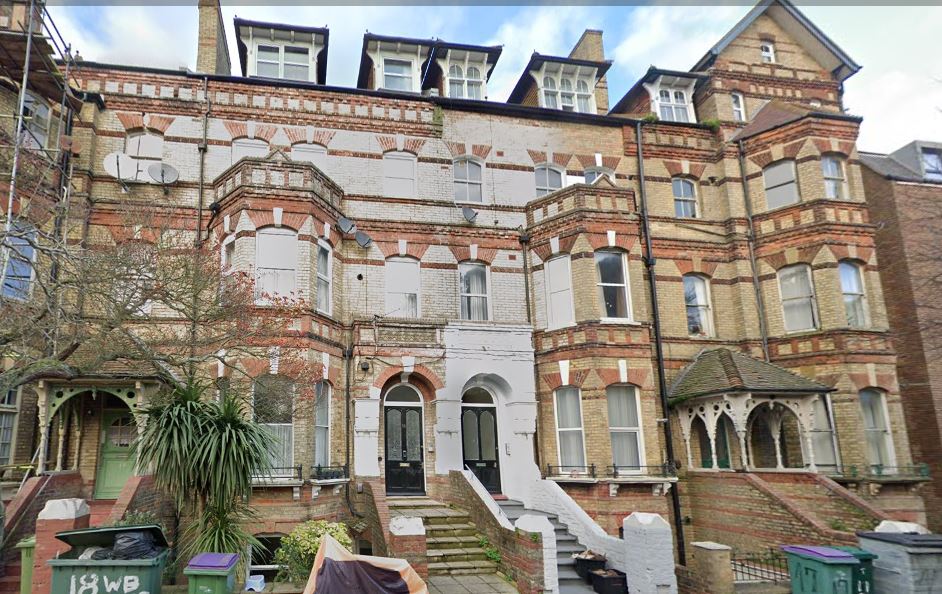
It's hard to know exactly where Montague House was in Westbourne Gardens, as there are still a couple of blocks there that look like the one above, all individual flats now of course, but they probably went round three sides of a centre garden originally. The garden is still there, but I would describe it more as a wilderness these days.
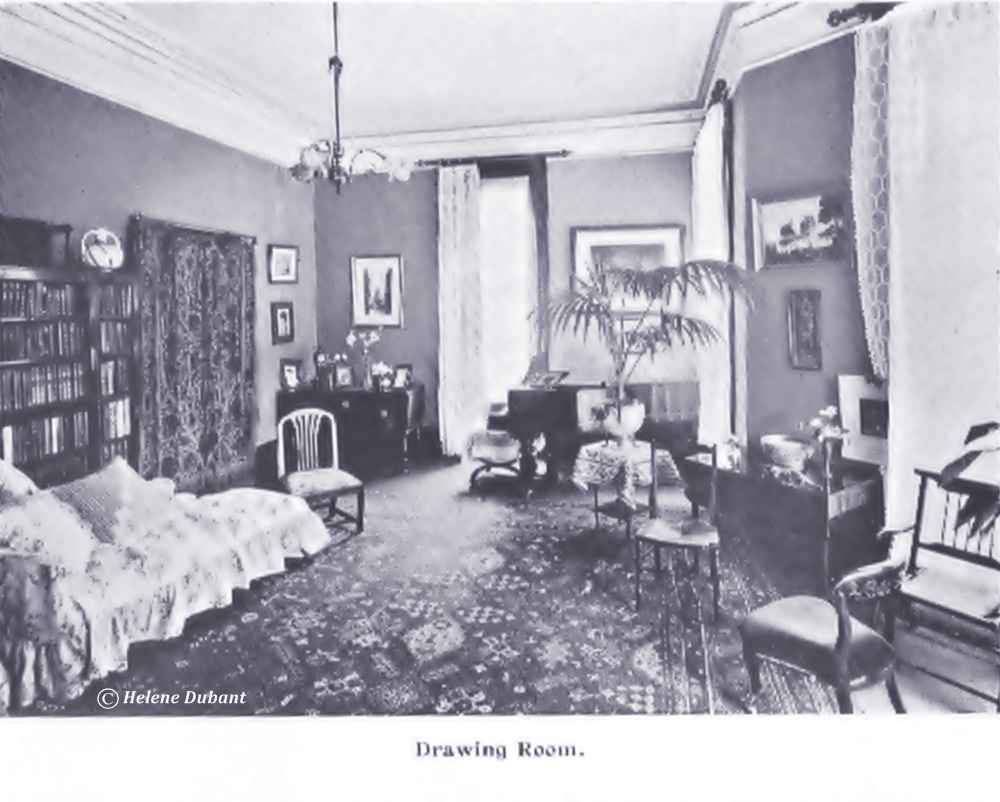
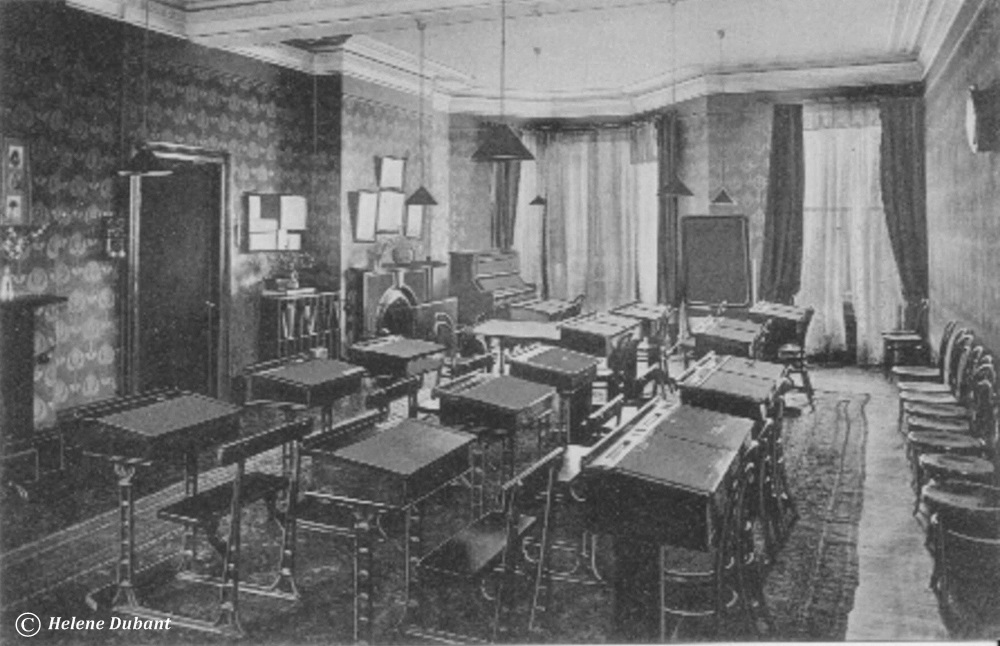
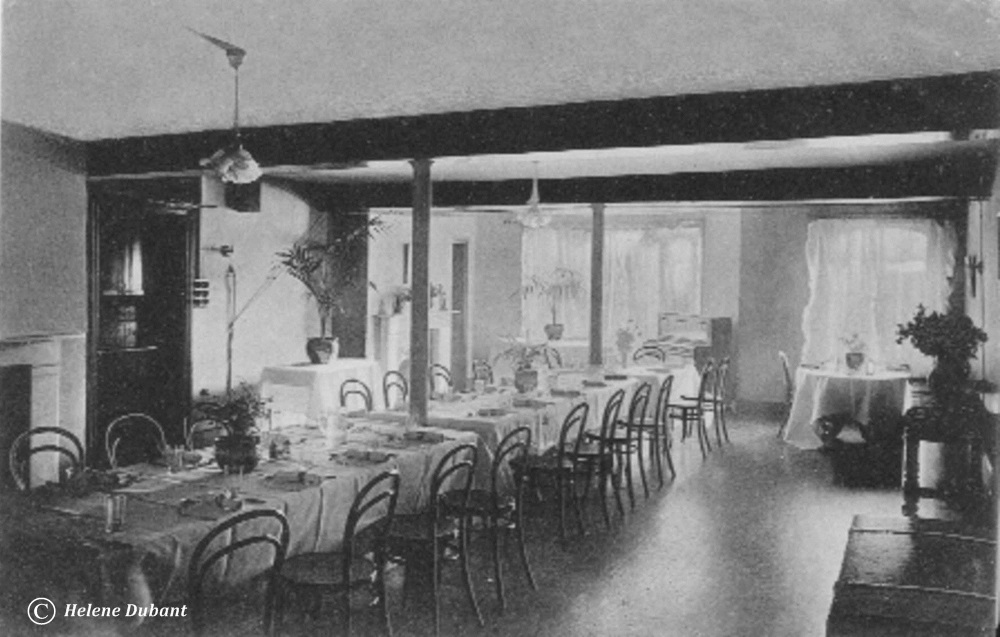
A classroom
The Dining Room
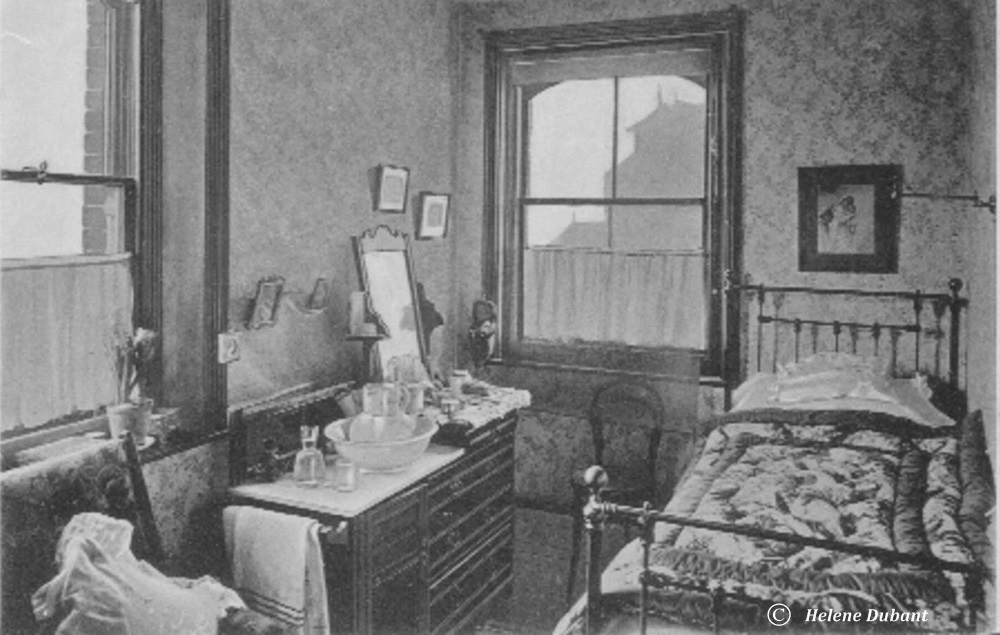
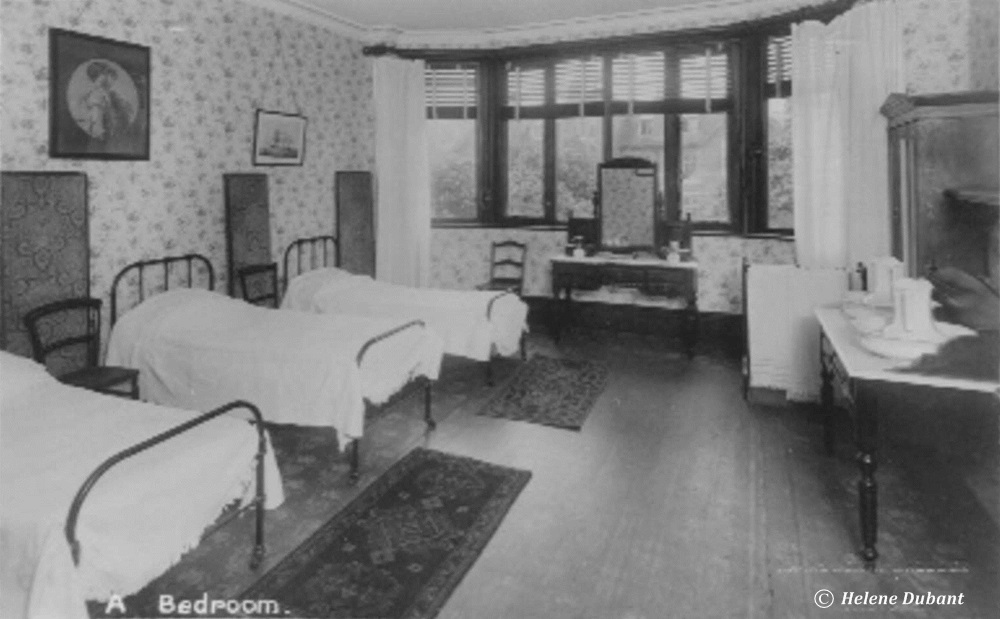
A Bedroom
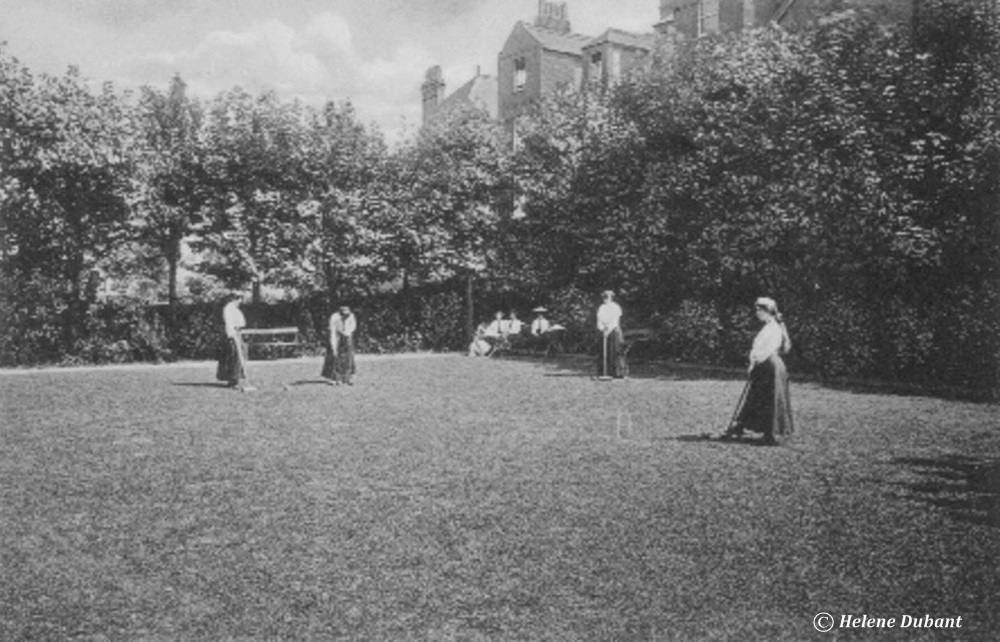
Croquet
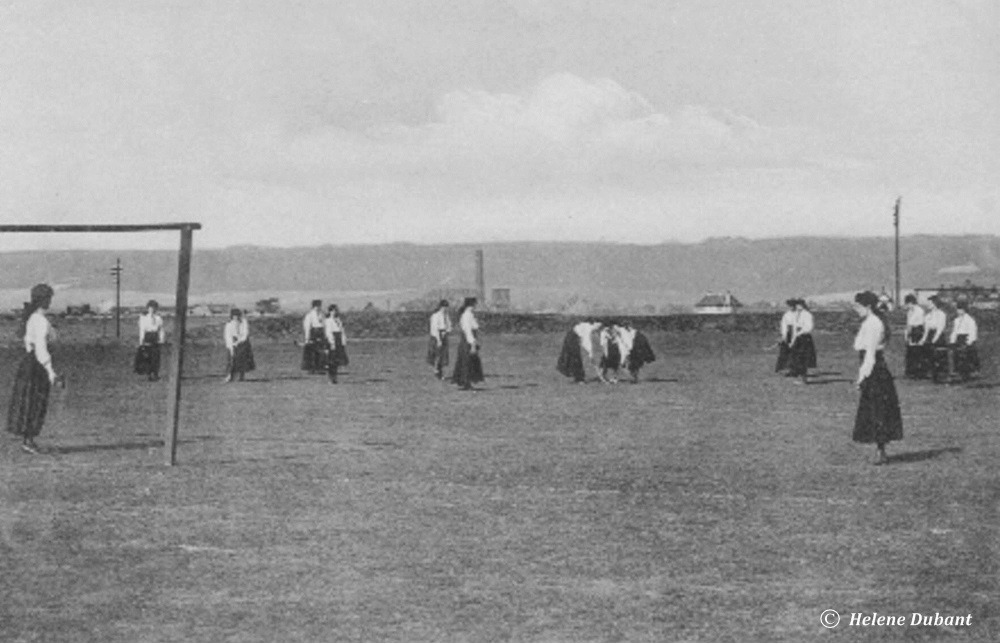
Field Hockey
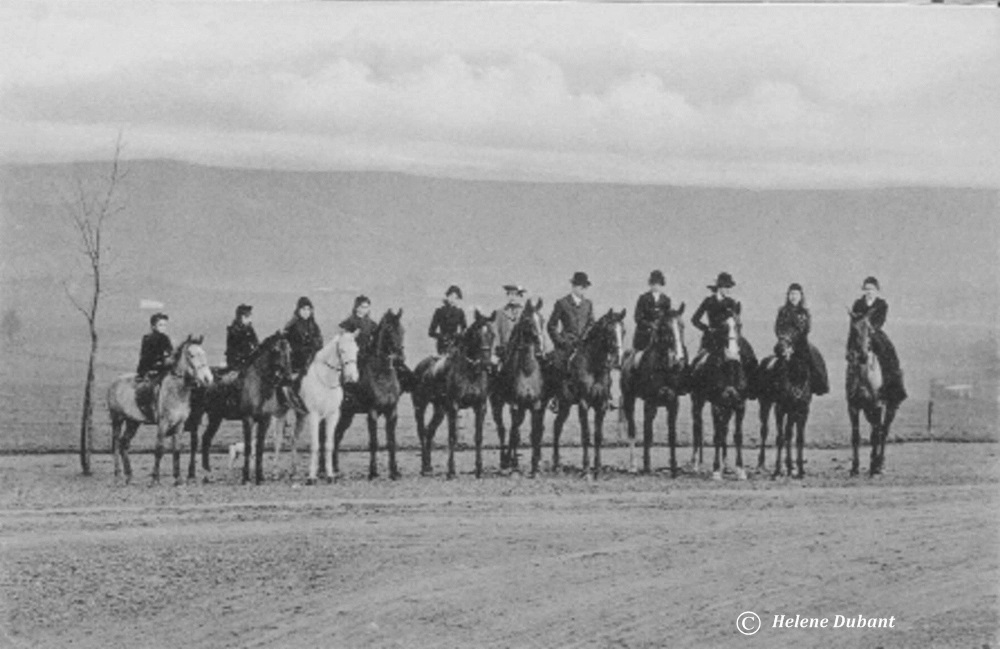
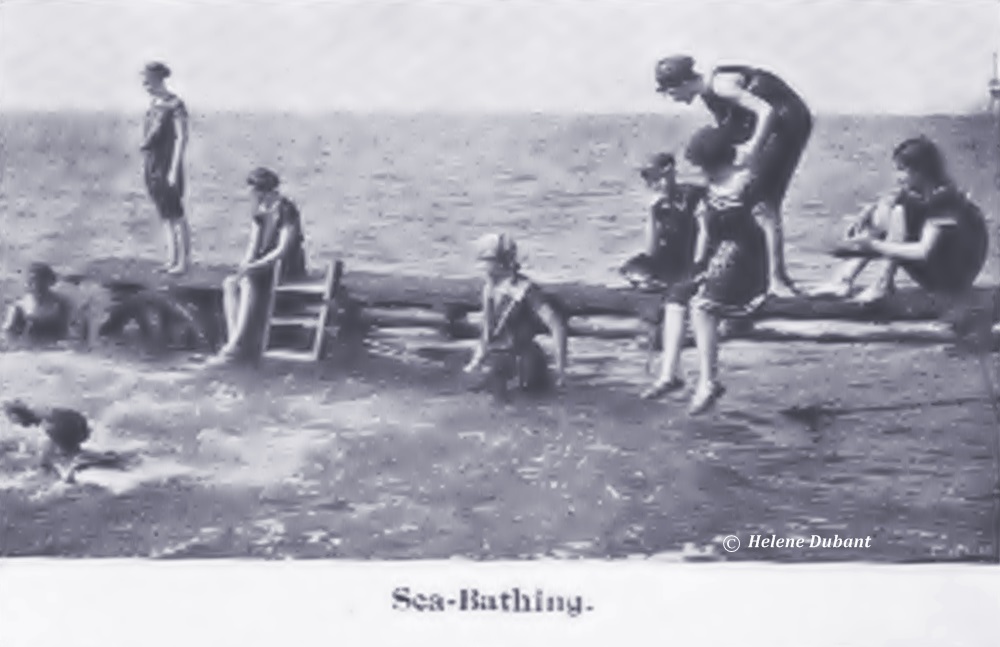
They certainly got a well rounded education didn't they? They learned how to play hockey in a long skirt, tennis and calisthenics on a hot day also wearing a long skirt and long sleeved blouse and lots of undergarments without passing out from heat stroke, swim in the sea in a costume that probably got heavy and pulled you under when wet, and learned to ride a horse sidesaddle so you couldn't even anchor yourself by gripping your knees to the horse to stay on. The women were certainly made of strong stuff in those days!
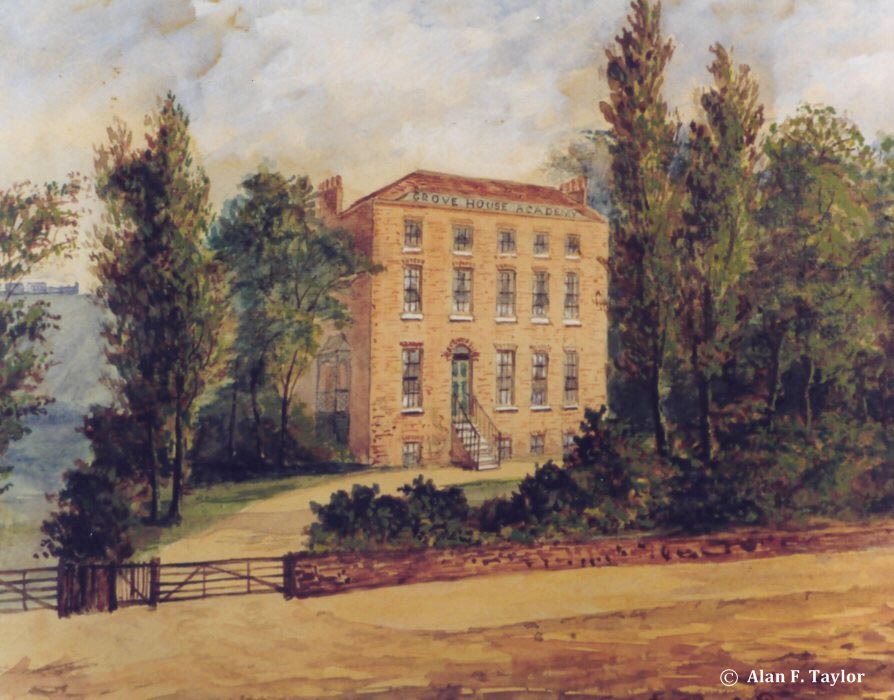
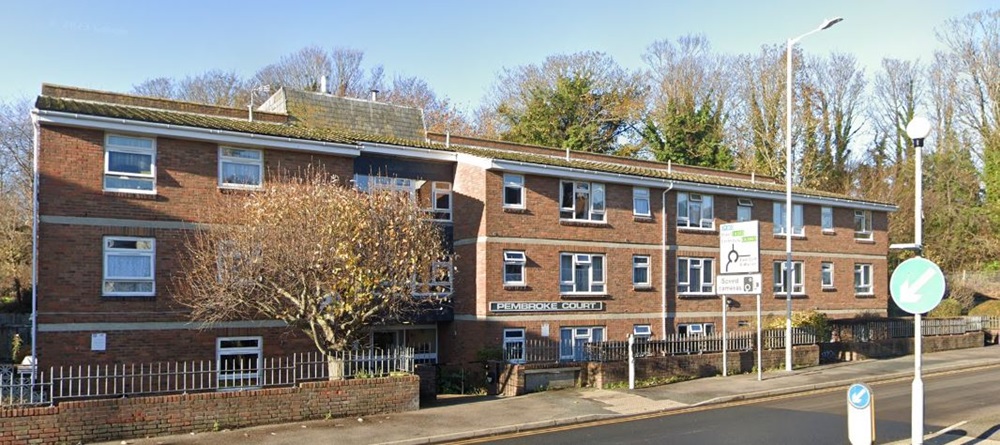
The building on the left was Grove House Academy for boys, located on Dover Road, just before the Skew Arches. The image was kindly scanned for me by Alan Taylor, as it is in his collection. I think this would mean that Pembroke Court, would have been built on that site. The above photo was taken in 2022.
I am not sure when Grove House opened, all I know about it is that it was run by John Clark, born 1796, and his wife Ann, born 1795. In 1841 they had five children, Ann, John, Elizabeth, Sarah and James. I believe son John died at around 4 years old, but the couple later had another son that they also called John, and it was this son, and his wife Mary who took over the running of the school after his parents died. I know that by 1891 they only had 13 students left, and by 1901 the family were living at 10 Shellons Street, Folkestone. I don't know what happened to the building after that, or when it was demolished, so if anyone can enlighten me, I would be very grateful.
Let's go back to talking about the Folkestone School for Girls for a minute.
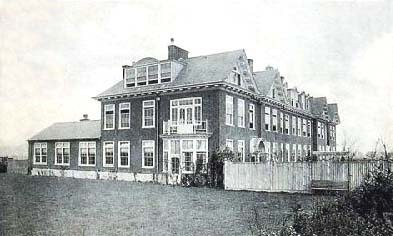
This building, which was originally called Praetoria House, was a day and boarding school with kindergarten, The first Praetoria House was started in 1881 by Dr Alfred Praetorius at 45 Weymouth St, London. In 1883-4 Praetoria House moved to Folkestone at 1-3 Grimstone Avenue.
1903 The school was sold to Mr and Mrs Roderick.
1904 Mr Roderick built the new premises you see above in Coolinge Lane, Folkestone and moved the school there. This building was taken over by the Folkestone County School for Girls in 1922 and renamed Penfold House as mentioned further up the page.
1921 Sir Milsom Rees, the King George V’s ENT specialist founded Port Regis at Kingsgate, Broadstairs, incorporating the pupils and staff from Praetoria House in Folkestone following the retirement of the Rodericks.
Port Regis School is still going strong in its 126th year in Motcombe Park, Shaftesbury, Dorset, and is an independent Prep school for boys & girls 3 - 13.
Praetoria House in Coolinge Lane, now Penfold House, is still occupied by the Folkestone School for Girls, formerly the County School for Girls.
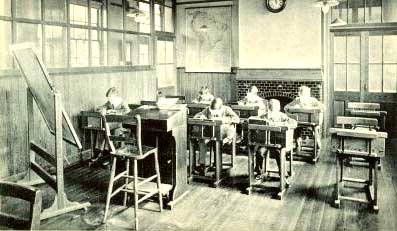
This was a classroom within the building on the left from the time is was the Praetoria House School for Boys. Pretty grim wasn't it? You were there to learn, no fun allowed!
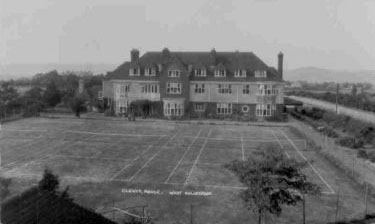
On the right we have Clewer House, which was also used by the now Folkestone School for Girls. Previously I had many questions about this building, all were answered by readers, and for which I am very grateful. This is what I learned:
Hilary Tolputt: "You ask if Clewer House in Coolinge Lane had any connection with the Sisterhood of St John Baptist, known as the Clewer nuns. Indeed it did! The building originally was Bayham House School. The nuns had established a presence in Folkestone in the nineteenth century particularly with the building of St Andrews Convalescent Home. They had also established a school, St Stephens College at Clewer in Buckinghamshire but they required a larger site in 1919. They acquired the buildings of Pelham House School on the escarpment in Coolinge Lane.(Now part of the Folkestone School for Girls) and renamed it St Stephens College, and also Bayham House which was renamed "Clewer".
The latter was the senior house for the girls. St Stephens and the nuns evacuated to Taplow in the Second World War and the buildings were acquired by KCC. Clewer became the boarding house for the County Grammar School and St Stephens became the Girls Technical School. The lease on Clewer expired in 2010 and reverted to the Radnor Estate."
Sarah Thorne, Chairman of Governors of the Folkestone School for Girls: "I can confirm that Clewer House was used mainly as an administration centre until recently. Unfortunately, when the 100 year lease expired it was returned to the Folkestone Estate belonging to Lord Radnor and has been demolished to make way for new houses. The school continues to flourish as the Folkestone School for Girls."
Thank you ladies, it's very sad that yet another lovely piece of Folkestone architecture with a rich history has been demolished, but I guess the housing was needed.
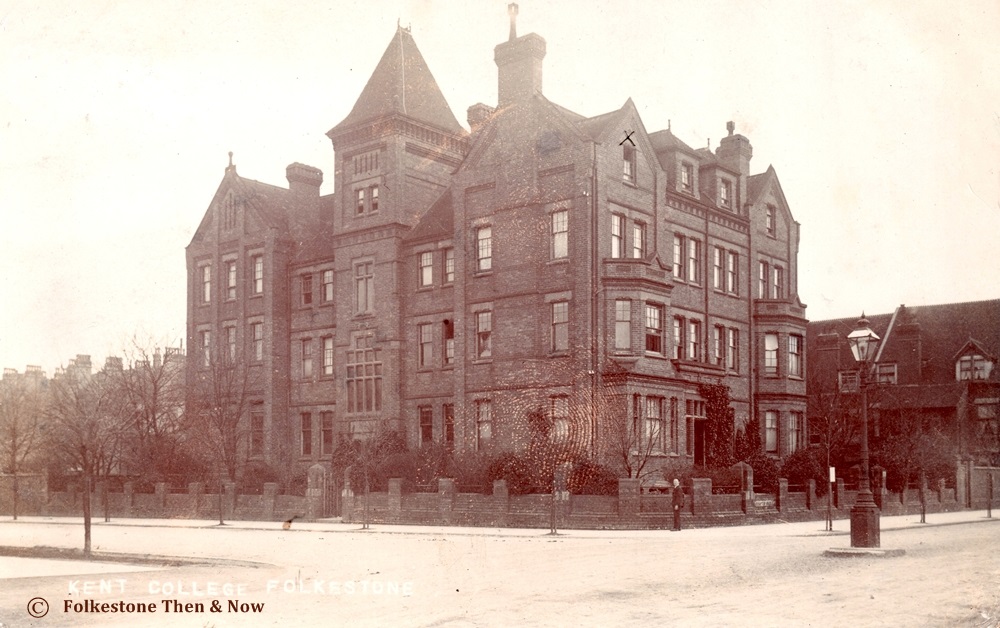
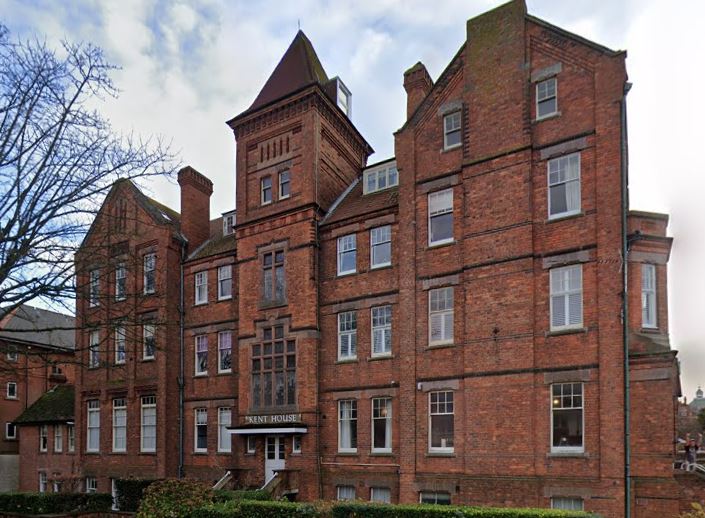
Kent College, 6 Grimston Avenue where I went for a year after I left school. It is now Kent House, and looks to be apartments.
I don't remember who was in charge when I went. However, my 1928 Directory tells me that in that year it was only for girls, and a Miss Hargreaves was in charge. I should add, this was long before I was born!
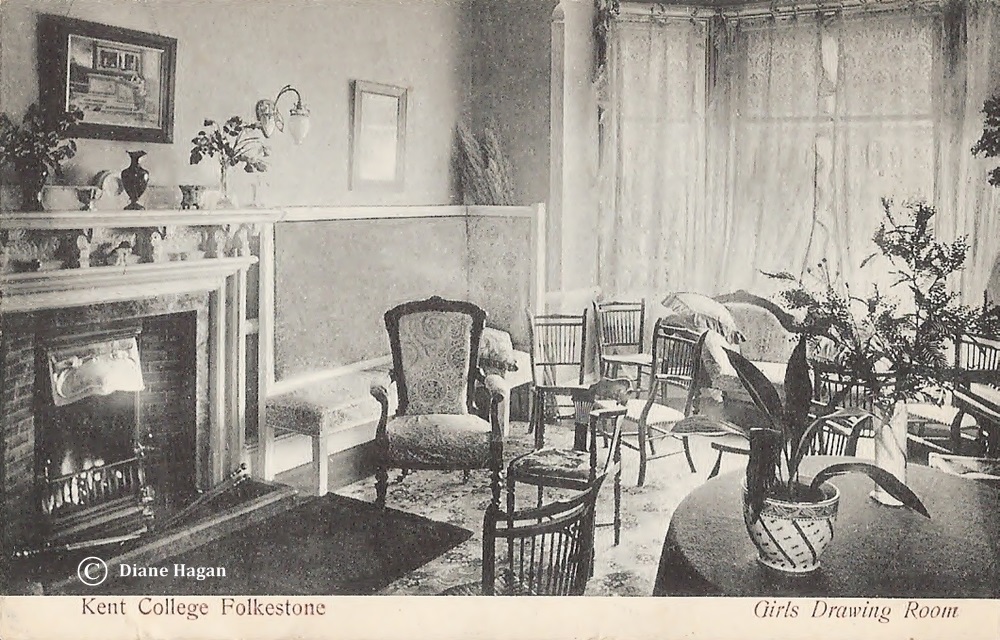
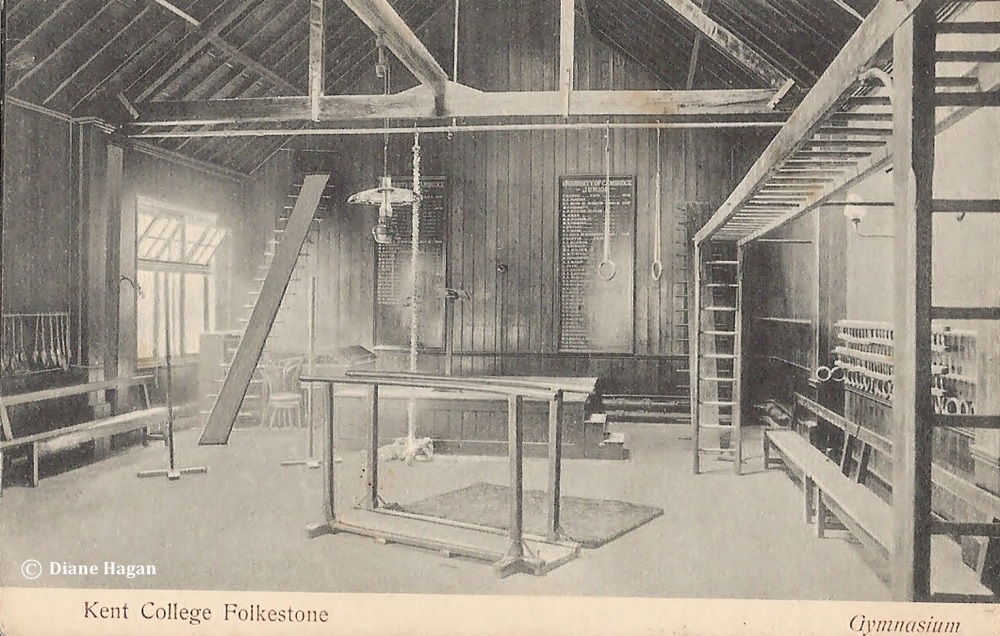
I have no doubt that the two photos above, sent to me by Diane Hagan were also from before I was born. The College certainly looked nothing like that inside when I was there, although I wasn't a boarder.
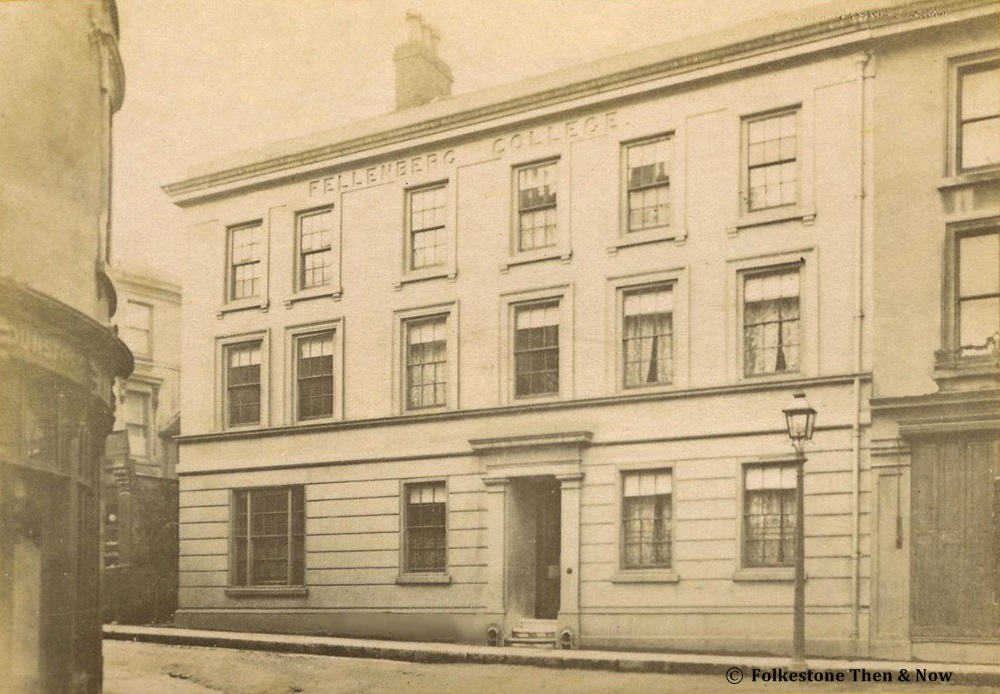
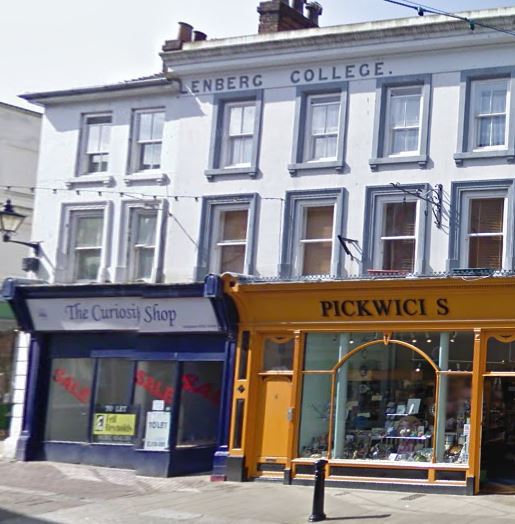
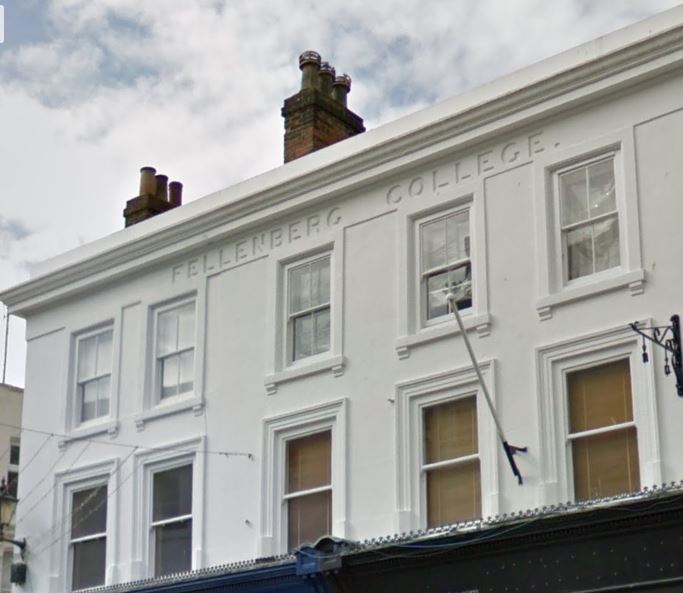
Fellenberg College in Church Street was for young ladies, but research has brought up very little. It appeared to be closed by 1881, as it wasn't on that census. I did read on one web page that it was also the birth place of the most well known Folkestone resident, Dr. William Harvey, but although he could have been born in a building on that site, I don't think it was the same building, as he was born in 1578. The building is still there in Folkestone, but at some point it underwent a poor renovation of one end, and it ended up looking like the photo above right. As you can see, the name of Fellenberg had been cut off in the middle, and the roof didn't line up. You will note they picked out the letters in purple as if to make the error more obvious.
Around 2018 a five year 1.8 million Heritage project restored some of Folkestone's most historic buildings, and thankfully this was one of them. They made a beautiful job of it, don't you think? If anyone knows the history of Fellenberg College, please get it touch, as I would love to add it to the page.
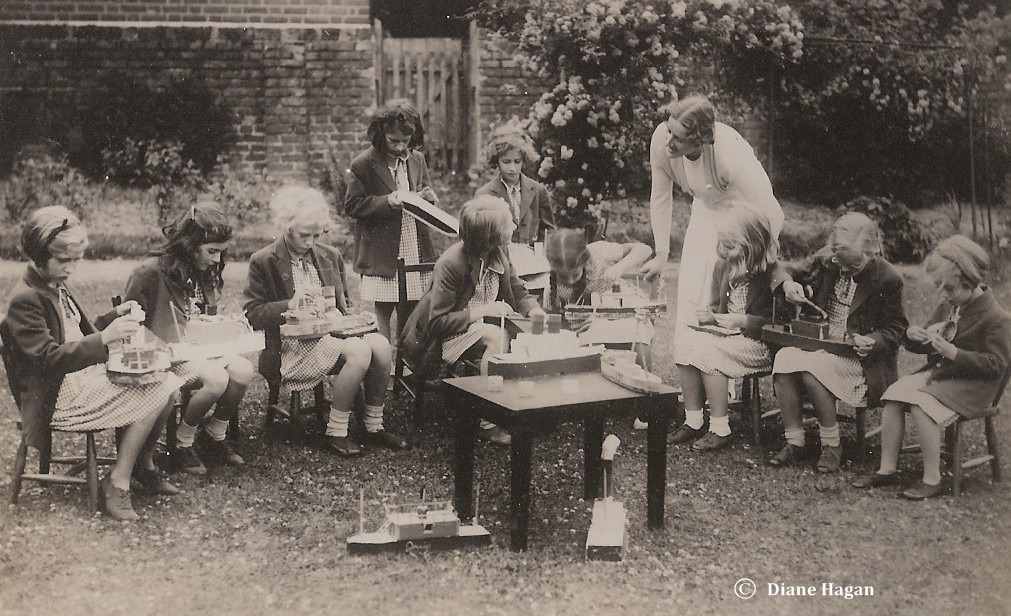
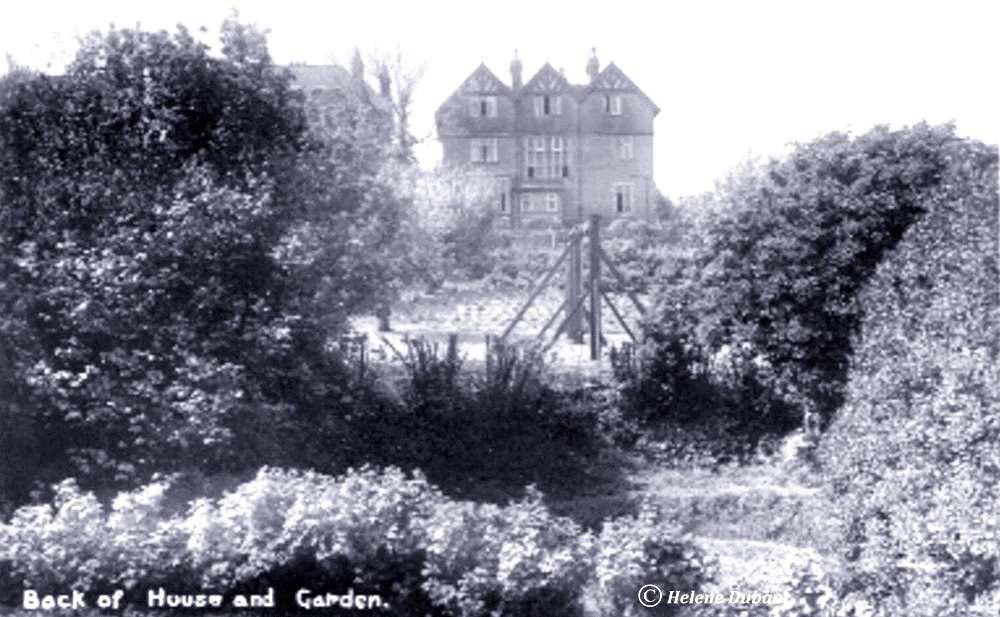
Pictures of another school have again been sent to me by both Diane Hagan and Helene Dubant, although I don't think they know each other, Diane's were called Downs School, and Helene's were called Downs College. I did find a Downs College for Girls listed in my 1928 Directory, located at 16 Radnor Park Avenue. Helene has a photo of the back of the house, above right, and the modern photo below left certainly looks like the same style doesn't it?
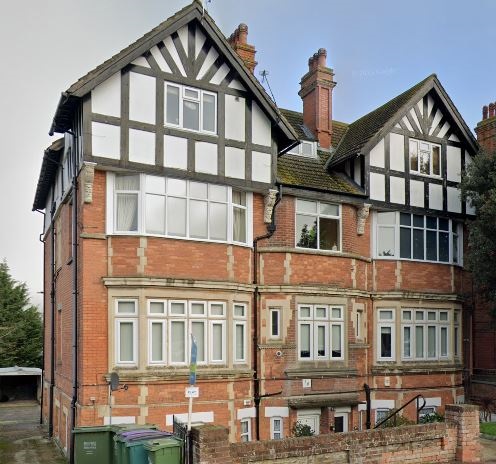
Modern photo of the former Downs College.
Yes, that is definitely the same style of window. We can assume from this photo, that Downs College also took boarders.
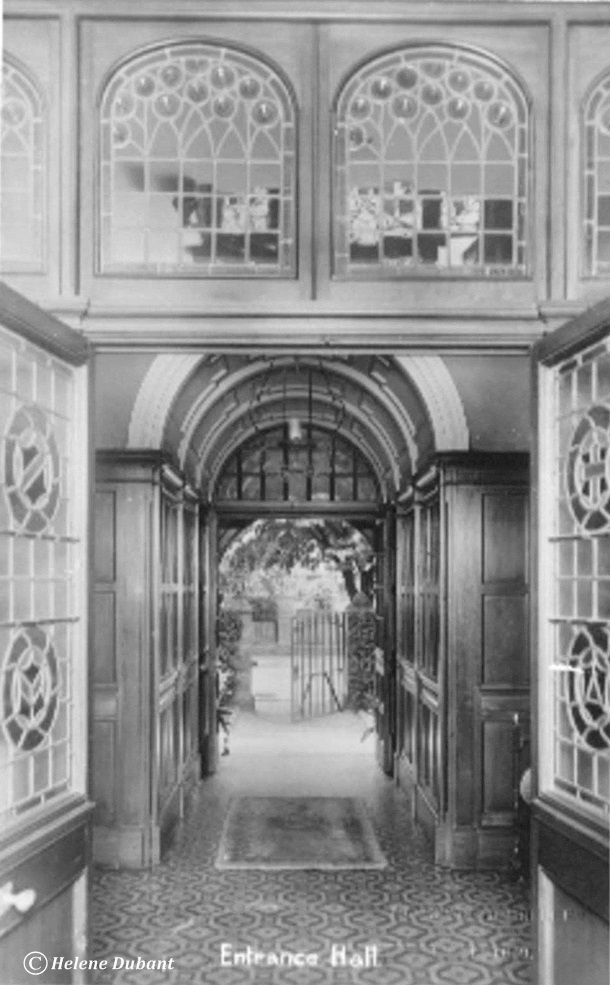
This is a beautiful entrance Hall. Now, either the front of the building above has been altered, or the main entrance was at the back of the school, because you can see out of the entrance that it was at ground level, yet the front of the modern building above clearly shows you have to go down some steps to gain access.
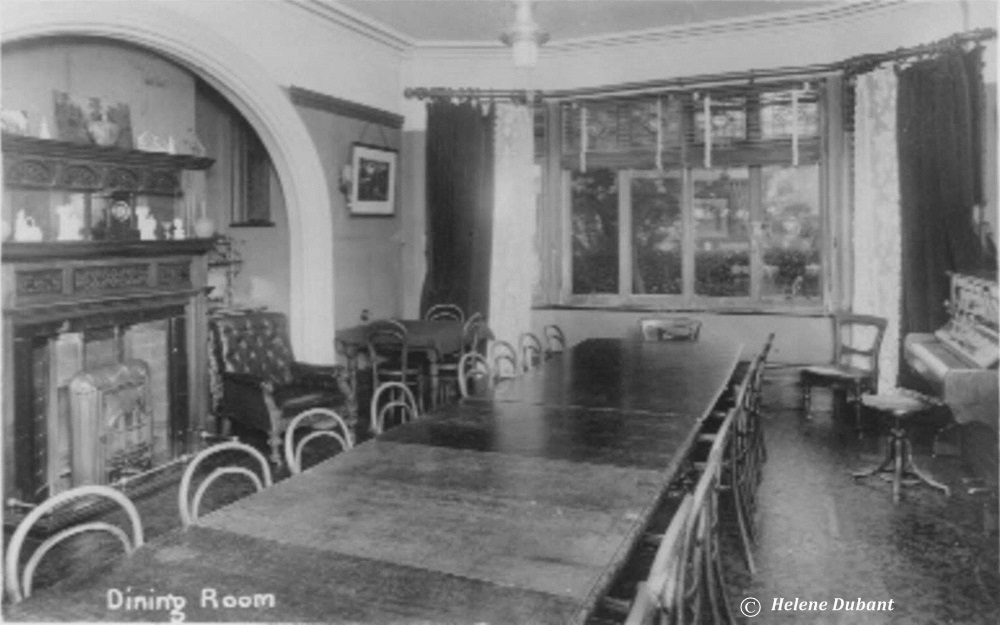
Someone else also sent me a few photos named Downs School - not College. As they were of low resolution and extremely small, I decided not to use them, however, I will add this one to prove that the school and the college were in the same building, as you can recognise the dining room in both of these photos by the archway. I apologise for not giving credit to the person who sent me the smaller one(s), as they were too low in resolution to enlarge, I didn't add a name to them all those years ago when I received them.
Thanks again Diane and Helene for your contributions.

This looks like another modern photo of Downs College doesn't it? However, it is of 14 Radnor Park Road, and is right next door. This building used to house the Castle Hill Preparatory School, but unfortunately I have no photos from those days. But now you know that Castle Hill Primary School in Sidney Street is not the first school to bear that name.
I bought this one at auction, and it was listed as School, The Warren, Folkestone. I had never heard of a school in The Warren, so naturally I had to buy it. However, I have had no luck at all finding anything about it. It is not written on the back and it is not a postcard, so no postmark. I even tried Google's reverse image search and it came up with nothing that looked exactly like it. So if anyone knows anything about this school, I would love to hear from you. It's quite possible it's not Folkestone at all, it has been known for sellers to make things up if it's not printed on a card.
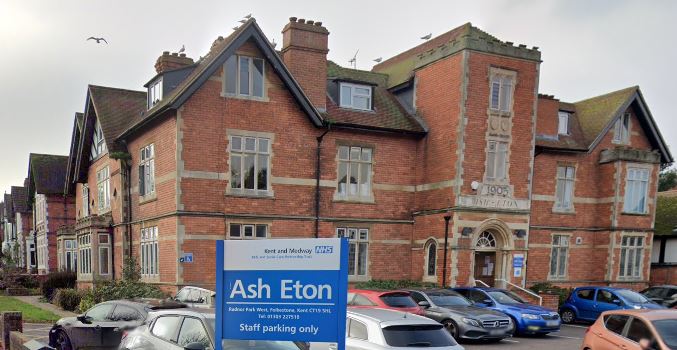
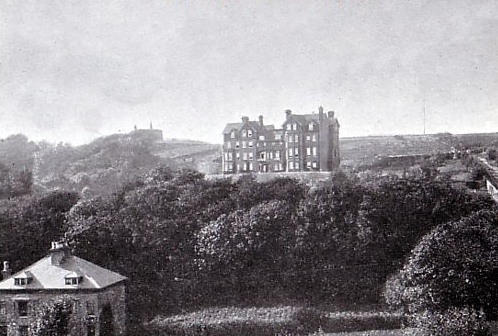
Did you ever wonder why this NHS Personality Disorder service was called Ash-Eton? This is because it used to be Ash-Eton School for Boys, and in 1928 the Principal was Capt. F. Morgan MC. I find it interesting that some of these schools had a Principal rather than a Headmaster - very North American. I don't have a photo of it from its school days, but I doubt very much that it looked any different on the outside.
I found another snippet about this school in 1928, it was listed as St. Mary's Higher Grade School and Headmaster was Charles James Frederick Whewell, now I wonder if he was related to Miss Whewell who was Headmistress of George Spurgen when I attended?

I am showing you another modern photo, and the actual spot is the gap where there is now an unnamed tiny street. This was once the location of 62 Guildhall Street, and in more recent days - by that I mean days I remember, like 1960, it was The Regent Private Hotel. However, going right back to the 1928 Directory it was Clough's Commercial College where you could train to do Shorthand, Typing, Bookkeeping, Business Methods and Special Secretarial Courses with individual training (they didn't elaborate on what made them special).
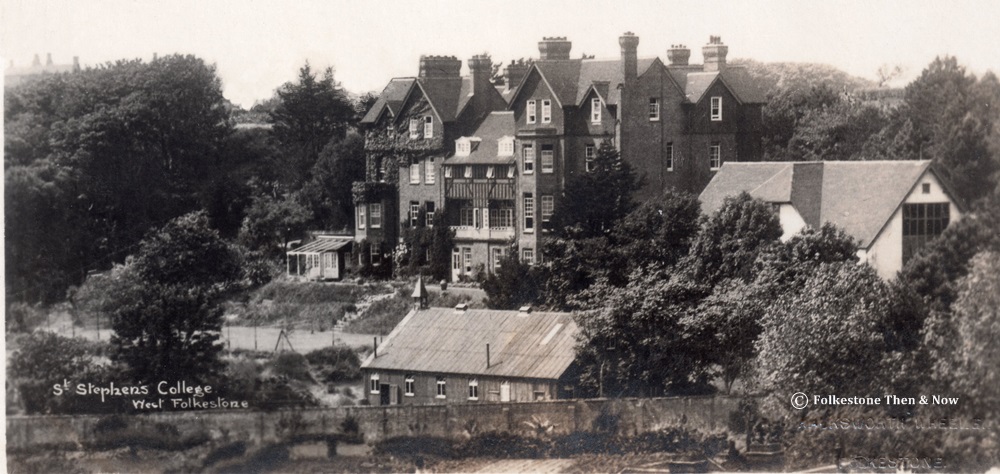
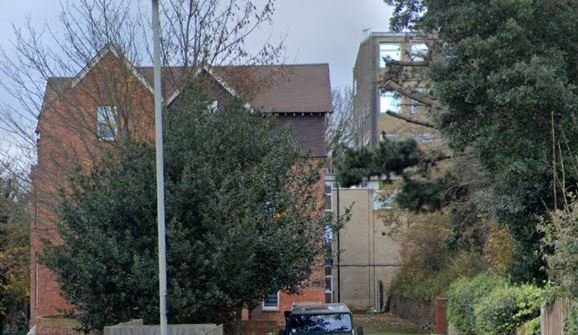
Getting back to the Folkestone School for Girls, as they own this building now. The above left is when It was called the Pelham House Preparatory School for Boys. It was then renamed St. Stephen's College when it was owned by the Clewer Nuns, and I think this modern photo left is a side view of the building. As you can see, a large modern building has been added at the back.
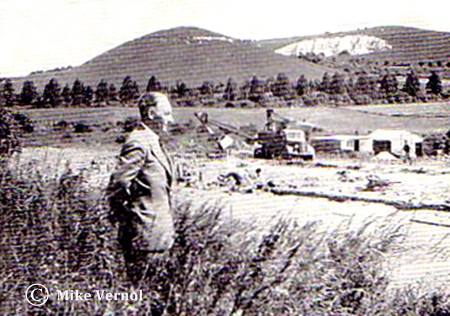
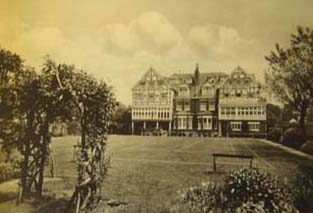
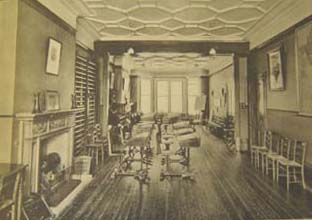
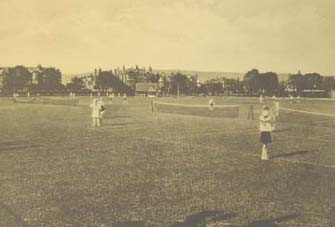
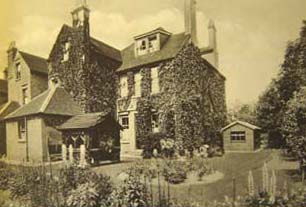
It's hard to believe, but the above 4 photos were taken at St. Margaret's School, 35 and 37 Earls Avenue, in 1928 run by the Misses de la Mare, who also ran the School of Domestic Science in St. Margaret's Lodge next door at 14 Grimston Gardens.
St. Margaret's School
A classroom
St. Margaret's Junior School girls playing tennis
St Margaret's School Junior House
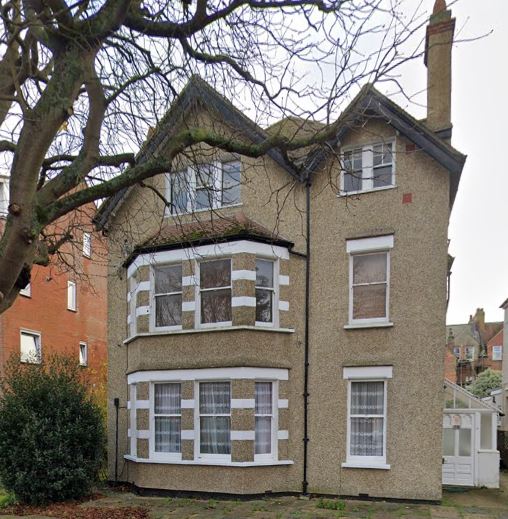
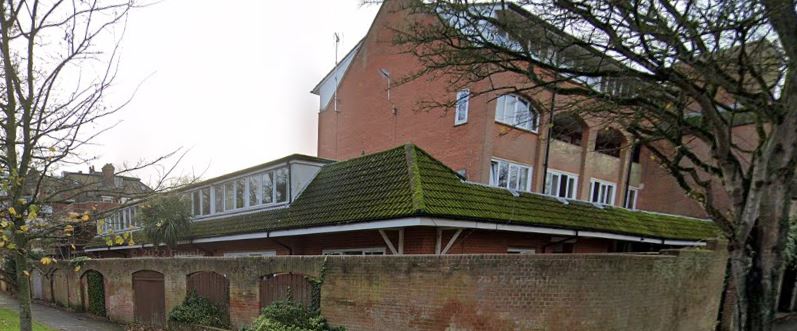
This is the 2022 version of St. Margaret's School. Now known as Old School Court. The building on the right is what used to be the School of Domestic Science, now a private residence.
That wall looks as if it might have been there when it was a school. I wonder what the doors were for? Stables possibly?

Smaller.jpg)
Senior House, Athelstan school for girls was located at 48-50 Shorncliffe Rd and was destroyed by a V-1 on 27th July, 1944 along with Feltonfleet Preparatory School, 46 Shorncliffe Rd. The block of flats called Cliffestone Court is now on this site. In 1928 Athelstan was run by the Misses Smith, and Feltonfleet Prep School for Boys was run by Claude C. Counsell.
C.jpg)
A nice photo of the Athelstan School lower gymnasium sent to me by Diane Hagan. Thanks Diane
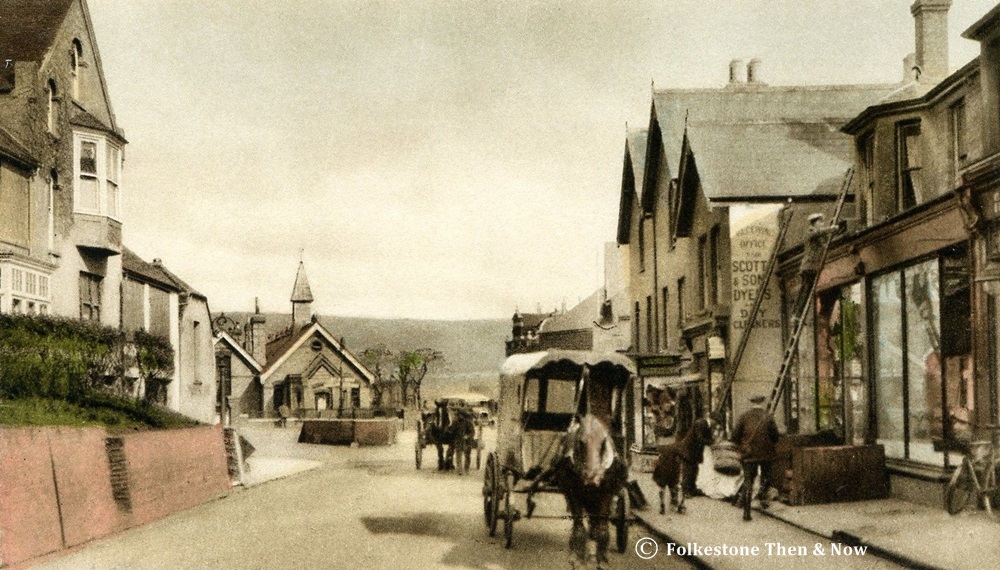
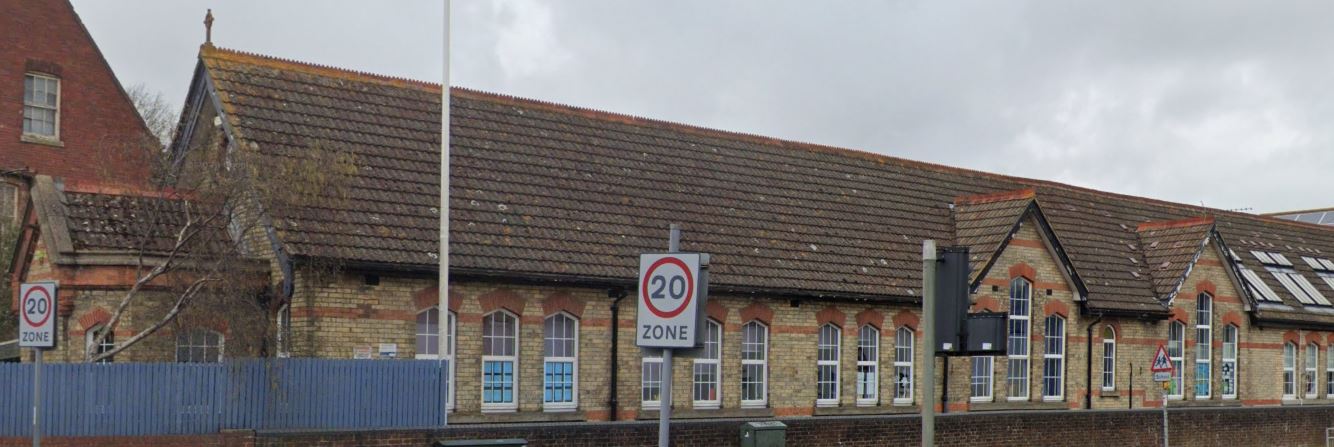
Getting back to schools that are still open, this time we are looking at All Souls Church of England Primary School on the corner of Stanley Road and Cheriton High Street. It was built in 1897, and as far as I know, this is still the original building on the right, although it appears to have lost the spire it used to have, and a few chimneys. it has also had several additions added to the rear of the school as the population has increased. It is strongly affiliated with All Souls Church nearby, and is a member of the Aquila Trust.
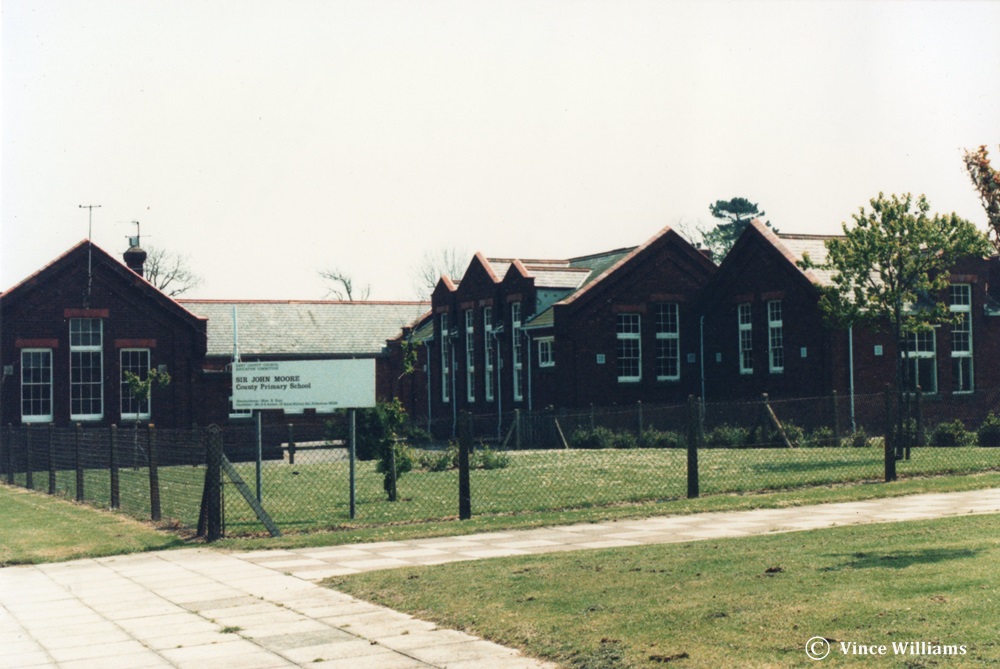
2018VinceWilliamsC.jpg)
The above two photographs were kindly sent to me by Vince Williams, author of several books on Cheriton and the places there. Although I lived in Cheriton for quite a few years, my knowledge of it is nothing by comparison, so he is always my go-to person to get the information I need, either in person, or I get it from one of his wonderful books.
The photograph on the left dates from 1987, and I am sure any children whose father was stationed at Shorncliffe Camp will recognise it as the school they attended while living in married quarters like Risborough Lines.
The photo on the right is showing the school and the site of the tin church hall undergoing demolition in 2018. The end of an era.
You can find a list of books by Vince Williams here: https://www.warrenpress.net/FolkestoneThenNow/VinceWilliams.html
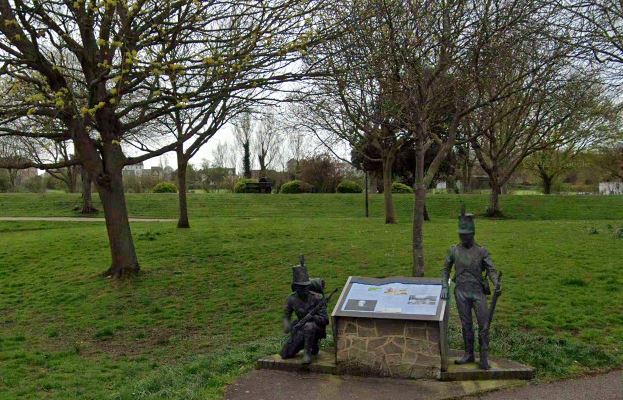
Sir John Moore did a lot when he was in charge of Shorncliffe Camp - in fact it is hard to believe how much he achieve in about three years while there. You can read about his whole life in Wikipedia: https://en.wikipedia.org/wiki/John_Moore_(British_Army_officer), but I will just outline what they say about him during his time in the local area.
He returned to Great Britain in 1803 to command a brigade at Shorncliffe Army Camp near Folkestone, where he established the innovative system of drill and manoeuvre. Sir Arthur Bryant wrote: "Moore's contribution to the British Army was not only that matchless Light Infantry who have ever since enshrined his training, but also the belief that the perfect soldier can only be made by evoking all that is finest in man – physical, mental and spiritual."
War with France 1803–1808
When it became clear that Napoleon was planning an invasion of Britain, Moore was put in charge of the defence of the coast from Dover to Dungeness. It was on his initiative that the Martello Towers were constructed (complementing the already constructed Shorncliffe Redoubt), following a pattern he had been impressed with in Corsica, where the Torra di Mortella, at Mortella Point, had offered a stout resistance to British land and sea forces. He also initiated the cutting of the Royal Military Canal in Kent and Sussex, and recruited about 340,000 volunteers to a militia that would have defended the lines of the South Downs if an invading force had broken through the regular army defences. In 1804, Moore was made a Knight Companion of the Bath and, in 1805, he was promoted to Lieutenant-General.
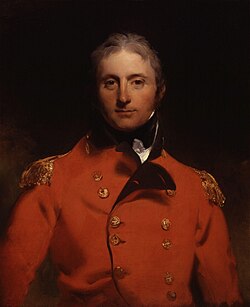
Sir John Moore, portrait by Sir Thomas Lawrence
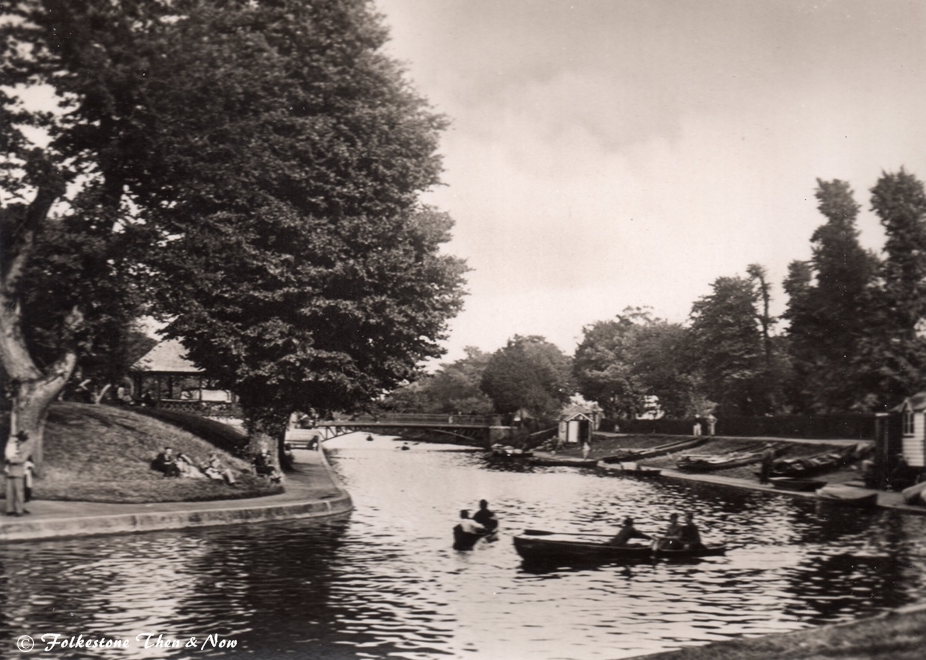
Hythe Military Canal, later being used for a more pleasant purpose than war.
This is the only photograph I have managed to find of Eversley School, from the days of Miss White, it dates from 1911, and shows the interior of the school hall, if you click it, it will take you to the website where I found it.
During WW2 it was used by the military, as were most large Folkestone buildings, after that it was used as a teacher training college. I was told by Peter Dyer that when he was at Morehall School for boys, they used to go to Eversley to play cricket. This would have been in the 1950's. Then later it was used by Japanese students learning English. After that, in 2013 the building was sold......

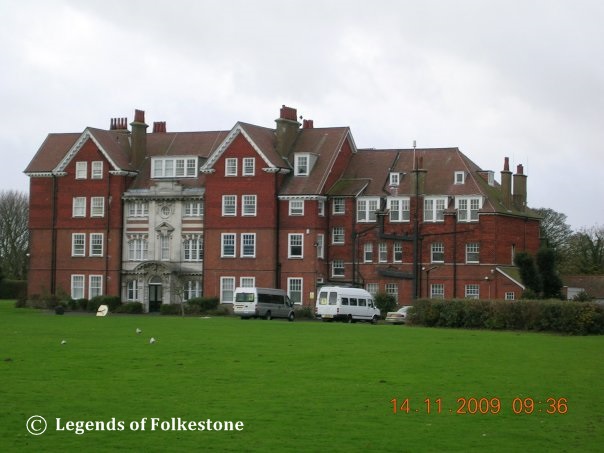
This is a photo of Eversley School, now Eversley College, taken in 2009 by Andy Cadier of Legends of Folkestone, who has kindly given me permission to add it here. At that time, the College was teaching English to Japanese students, but the school was started long before that. Hilary Tolputt of Folkestone has done a lot of research on this school, and here are a couple of excerpts from a talk she gave to the Folkestone & District Local History Society in the Spring of 2021:
The Folkestone Herald of 2nd January 1891 recorded the sale of 5 Earls Avenue to Miss Kate Nancy White and this was the start of Eversley school in Folkestone which was to become one of the town’s most exclusive and prominent girls’ schools. Subsequently the directories for Folkestone record Eversley, a Ladies School, with the Head, Miss Kate Nancy White at three buildings in Earls Avenue. By 1901 the census records that the school occupied numbers 11, 13 and 45/47 in Earls Avenue which appears to have been a boarding house for the younger girls. At the beginning of the twentieth century, a large estate owned by a family called Catchpool was put on the market and Kate White acquired a parcel of land in Coolinge Lane on which a purpose-built school building was erected in 1905/6 to which the pupils at the Earls Avenue site were moved. The school had grown in numbers and reputation and Kate White was able to commission the architect William Dunn to design the new building.
Miss White instilled a strong social sense in her pupils who were encouraged to do their best for others less fortunate than themselves. In the early days of the school’s foundation in the 1890s the pupils subscribed to a cot at the London Hospital and this work grew into the founding of a convalescent home, called Eversley, for juvenile patients recovering from surgery. Originally in Hythe, this building was found to be unsuitable and the girls raised funds for another home this time in Horn Street which was opened in 1907. The cost of upkeep and the employment of two qualified nurses was provided each year by the girls.
The school prospered at the Coolinge Lane site in the 1920’s but after Miss White’s retirement in 1933, the pupils and staff were moved in 1935 from Folkestone to a school in Lymington in Hampshire. Kate Nancy White died in October 1945 aged 86.
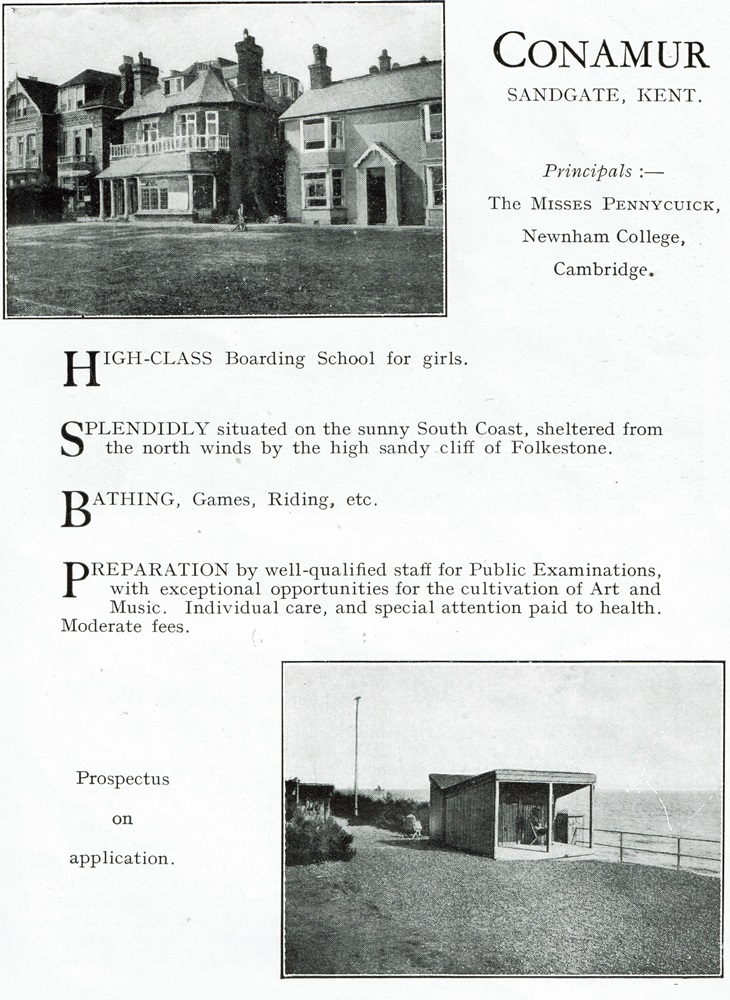
I gleaned the following from the Archives of the Sandgate Society. I have just taken a couple of excerpts, if you would like to read the whole thing, you will find it HERE. It states that Conamur was located in the Undercliffe, but as far as I can see, it was in fact in The Riviera, closer to the sea. Possibly they meant it was located 'on' the Undercliffe, and there wasn't a street with that name back then.
"The name of the School came from the motto which was taken over from the former owners of the house, ‘“Though small we strive for great things” by the first Headmistresses, Miss F. S. Jarvis & Miss Berry in 1897. Norma Faith tells us that they had been given the chance to run Bedales School but preferred the independence of starting on their own. The School started with one pupil, Norma Crundwell, but it soon grew to 20 boarders and some day girls in 1903. The houses they started in were ‘The Nook and ‘Conamur’joined together, with a third, ‘Audley’ which they built on, containing a large hall which was used for everything. They were situated on the Undercliffe at Sandgate near Folkestone with only a garden large enough for a tennis court between them and the English Channel. The garden fringed with billowing tamarisks abutted onto the beach. The interior of the buildings was large and airy with high windows and parquet floors, polished some time later by Mr. Christmas, reflected the morning glare of sunlight, and the rooms echoed perpetually with the thud and hiss of waves on the shingle. There were tiled fire places with jars of beaten copper filled with flowers. All the doors were of heavy oak with enormous wooden latches with latticed patterns of green glass. The entrance hall with its glass roof joining the second house to the third was known as the the Crystal Hall.
It was with great sadness that a letter was received from the Misses Pennycuick in May, 1936. After long and careful consideration they had decided that the time had come for them to close Conamur as a school. The decision had been forced upon them by the circumstances of the last few years. The loss of the ground on the Leas, the drift at an earlier age to the public schools, and the demand for specialised buildings had made them feel that it was impossible to maintain Conamur at a worthy standard. They had been too kind and generous in the last few years during the recession in the 1930's, but the spirit of the school was to linger on in the Old Girl’s Association
right up to the present day. With the closure of the school presentations to the Misses Pennycuick were in the form of a cheque, a carpet which was purchased at their request and a silver standard lamp suitably engraved."
The school in Sandgate was turned into the Riviera Hotel which has been demolished, and a block of flats is now in that location.
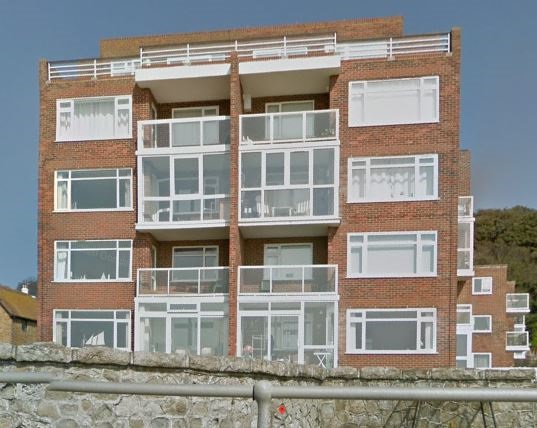
2019
This is all I have on Folkestone schools at the moment, but I know there are many more. If you have information about any not listed here, especially if you have photographs, please get in touch.


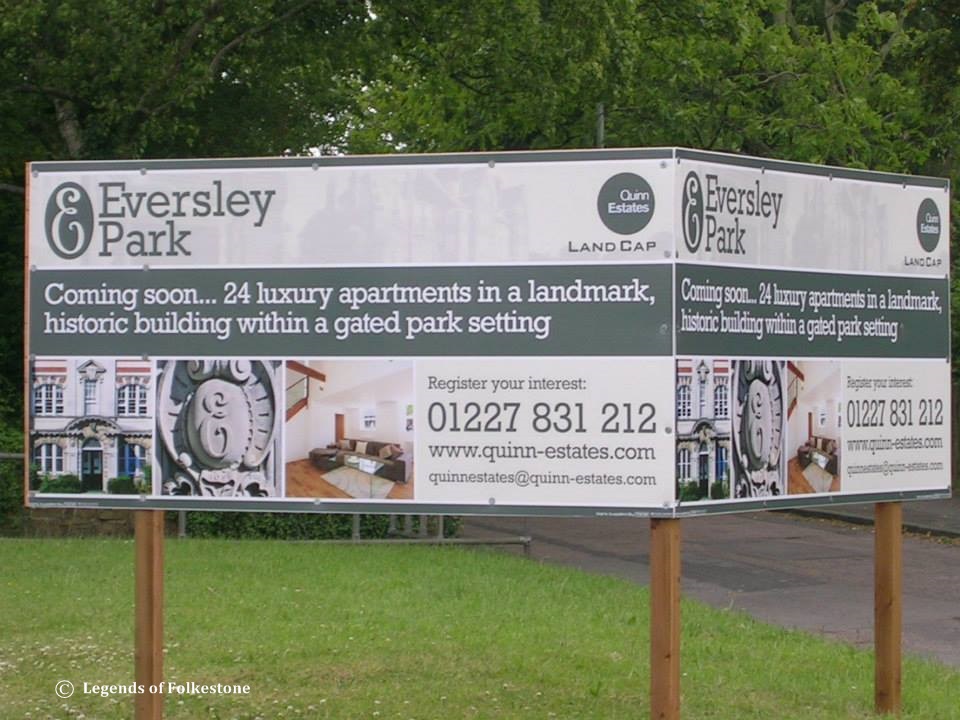
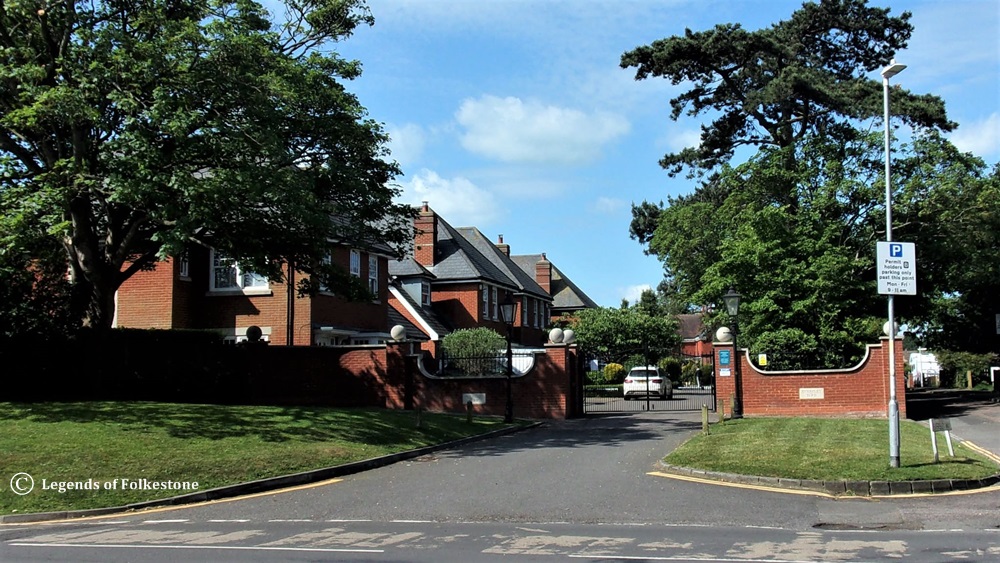
and Eversley Park was developed into a gated community. Eversley College was divided up into luxury apartments, and other houses were built inside the grounds. The photo of the gate was taken in June, 2025.
That's progress, and certainly better than demolishing another beautiful old building.
Page updated April 2026

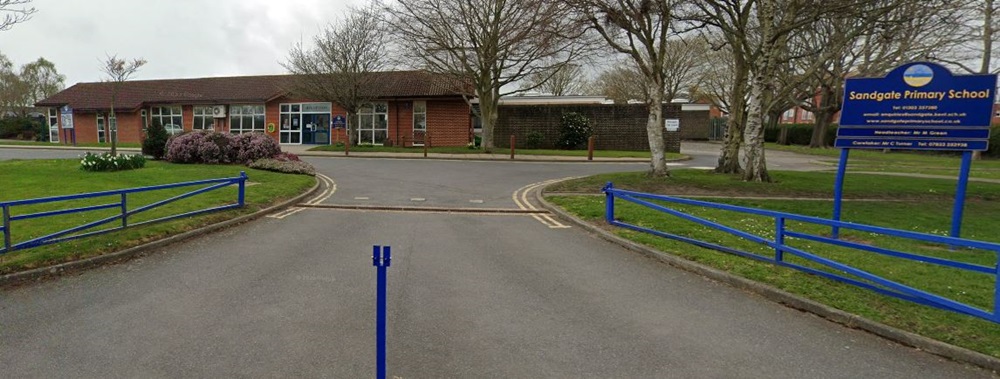
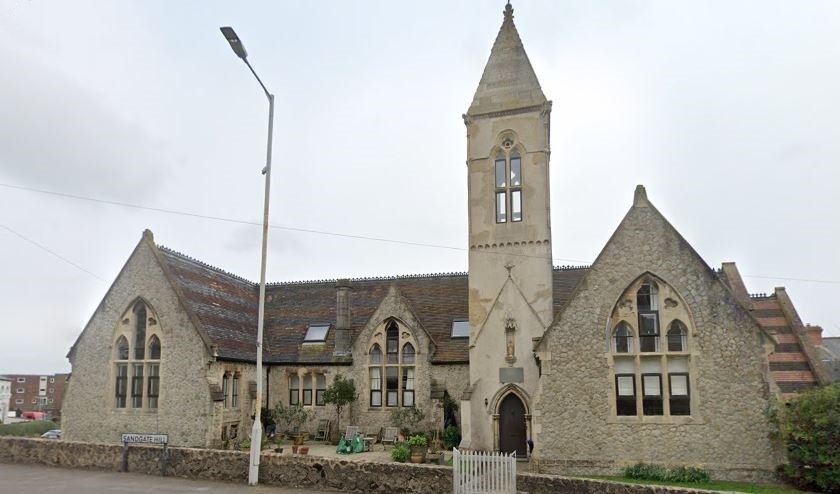
While we are in Sandgate, we cannot forget the prettiest of all the schools, this was Sandgate Primary School. The building is quite old, built in 1866 I believe, but the school wasn't taken under the wing of the Church of England until after the children returned from the safely of Wales in 1945. It closed in 1972 and the building was sold and converted into 6 apartments, plus two more townhouses in the playground. Sandgate Primary School, needing more space moved into a brand new building in Coolinge Lane on the grounds of the tennis courts belonging to the Girls Grammar School, and is still open to this day.
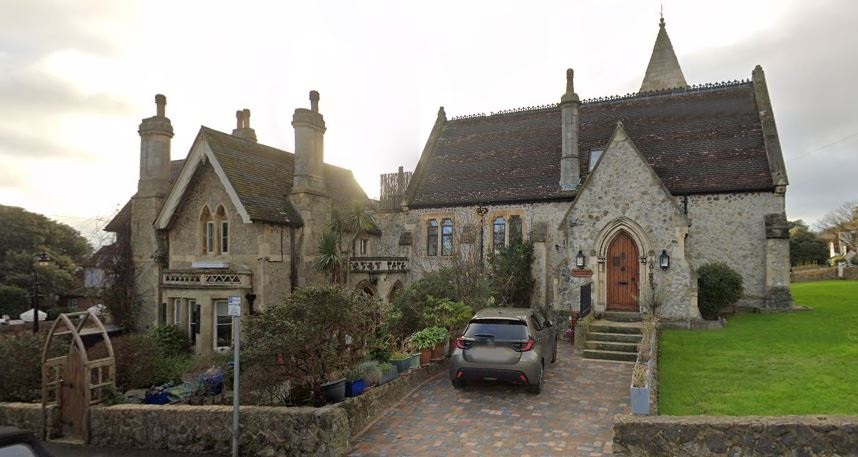
Here is the school in 2023, now apartments, on the left from Sandgate Hill, and above from Lister Way. I would love to live in one of these!
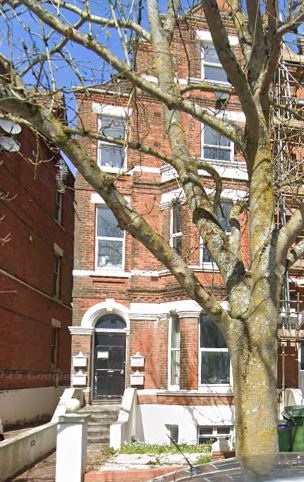
I am afraid I don't have an old photo of this building, and I came across the following information quite by accident. I had been in touch with Simon of the website herebeforeus.co.uk on another matter, and he offered to make me a digital image of a blue plaque of any one of the addresses I once lived at in Folkestone. I decided to choose the last address before I got married, which was 3, Surrenden Road, Cheriton.
He came up with the names of the following, Ann Maria, Emily and Edith Simms, three spinster sisters who had lived there after retirement. Prior to moving to that address, they had lived at 8 Shorncliffe Road, Folkestone, around 1911, where they had all been Private English Language teachers. So I felt their little school should be added here too. If anyone should happen to come across an older photo of 8 Shorncliffe Road, please send me a scan so we can see how it looked in those days.
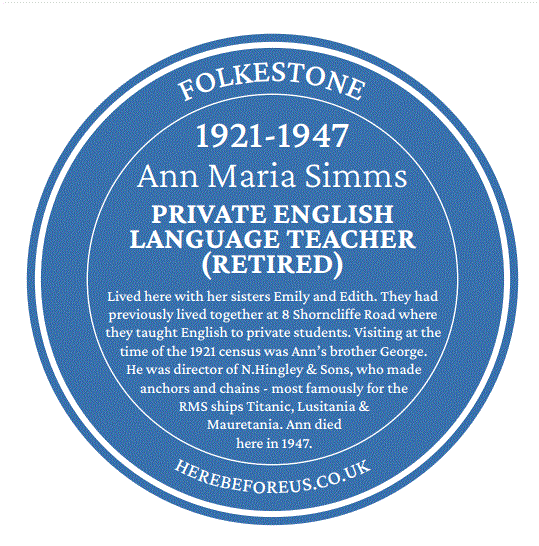
Click on the above to read the whole plaque.
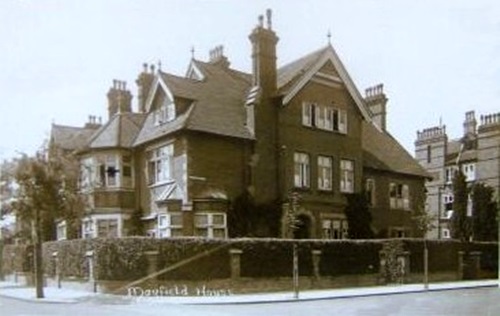
I have had this scan on file for years, hoping to find out what Mayfield House at 1 Grimston Avenue was at the time of the postcard, for which I had no date either, as it wasn't mailed. Finally, thanks to a very kind reader, I know it was once a school. One of the current residents, very generously sent me a couple of newspaper clippings. The first, dated 24th September, 1904 in the Folkestone Herald announced that Mayfield Lodge, a Girls High School, had moved from Christchurch Road to larger premises at 1 Grimston Avenue. The other, from what was by now the Folkestone, Hythe, Sandgate & Cheriton Herald, dated Saturday 28th September, 1912 was an ad for the Mayfield House School for Girls. Boarders and Day Scholars received, Terms moderate. So we know it was in business at least between 1904 and possibly later than 1912 at that address. Thank you very much, this is a long standing question answered!
Update:Our same benevolent resident just let me know that he/she discovered the first Praetoria House was located in this building at 1 and 3 Grimston Avenue. As the building dates from 1883, I would guess it was built for Dr. Praetorius and his wife. The Rodericks, to whom they sold the school were relatives of theirs, and it was them who moved the school to Coolinge Lane. So the date of 1904 was indeed the first year that Girls' School Mayfield Lodge moved here from Christchurch Road.
Now, in 2025, (right) it has lost its surrounding pillars and gained a fence plus a higher hedge and different style of paint job, but there is no doubt this is the former Praetoria House and M ayfield Lodge/House Schools, now private residences.
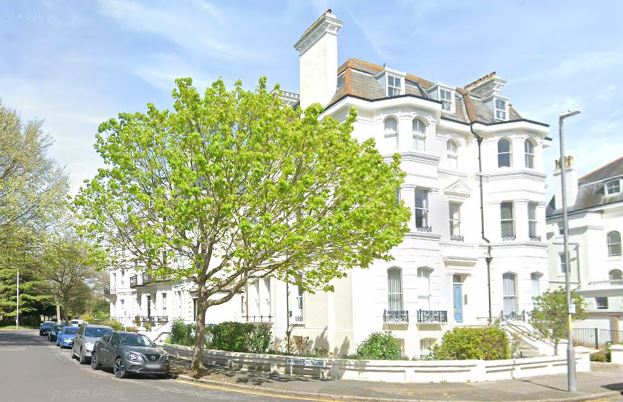
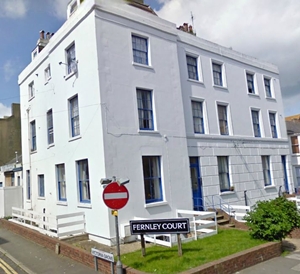
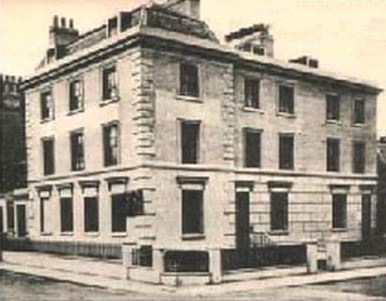
Now here is where I get a little confused. Sandy says they moved to Guildhall Street from The Parade. The picture on the left is one she has in her advertisement for her book, and it certainly looks like the same building as Fernley Court on the corner of Guildhall Street and Victoria Grove. However, the 1881 Census has two addresses for them, Bail (as it was then called) and also 15 Victoria Grove. Fernley Court is not at that address, even if it was listed in Victoria Grove then, the first house next to it is number 1.
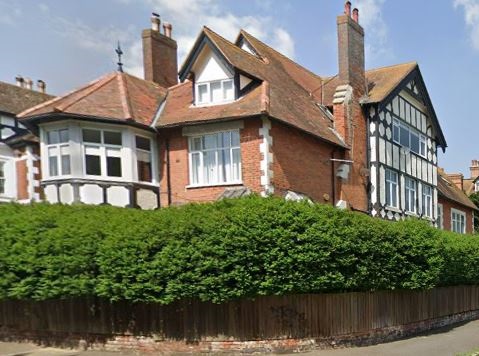
2025
You are very welcome to leave your memories in my Guestbook, it has now been moved to a Facebook page, where you will also find all the old messages archived. We made this move because nobody was being notified when they receive a reply in the old one. If you are already a member of Facebook you will know you will get a notification on your feed when you have a new message to read.
With Permission

.JPG)
.JPG)
Now, Peter and I have told you quite a bit about Westbrook House School, but there is lots more to tell, so I have to let you know that David Gordon - yes, the same David Gordon who was associated with both the Clifton and the Garden House hotels, has written a fabulous book on the subject, which is available from Amazon here: https://amzn.eu/d/iSF7Abu He covers mostly the period of 1947-1968, but also has additional details up to closure in 2008. It is an excellent read!
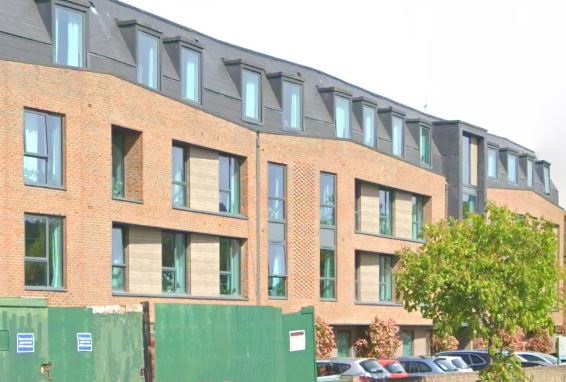
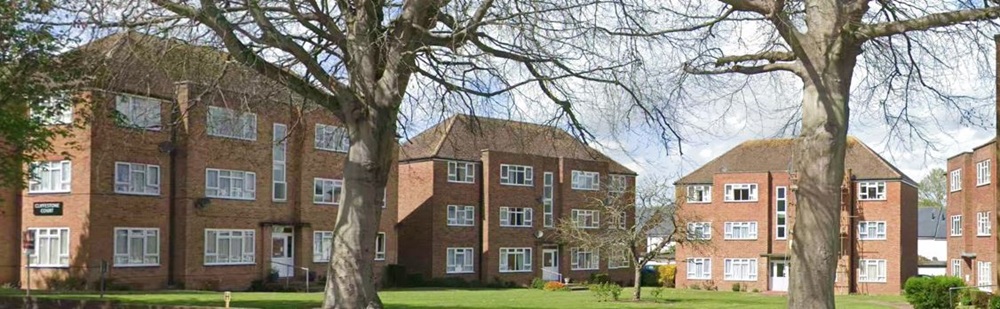
Cliffestone Court
I have had a lot of help in compiling all the information on the following school from retired Magistrate, Rural Land Agent, Chartered Surveyor, and former Westbrook House pupil, Peter V P Mellor JP FRICS, for which I am very grateful.
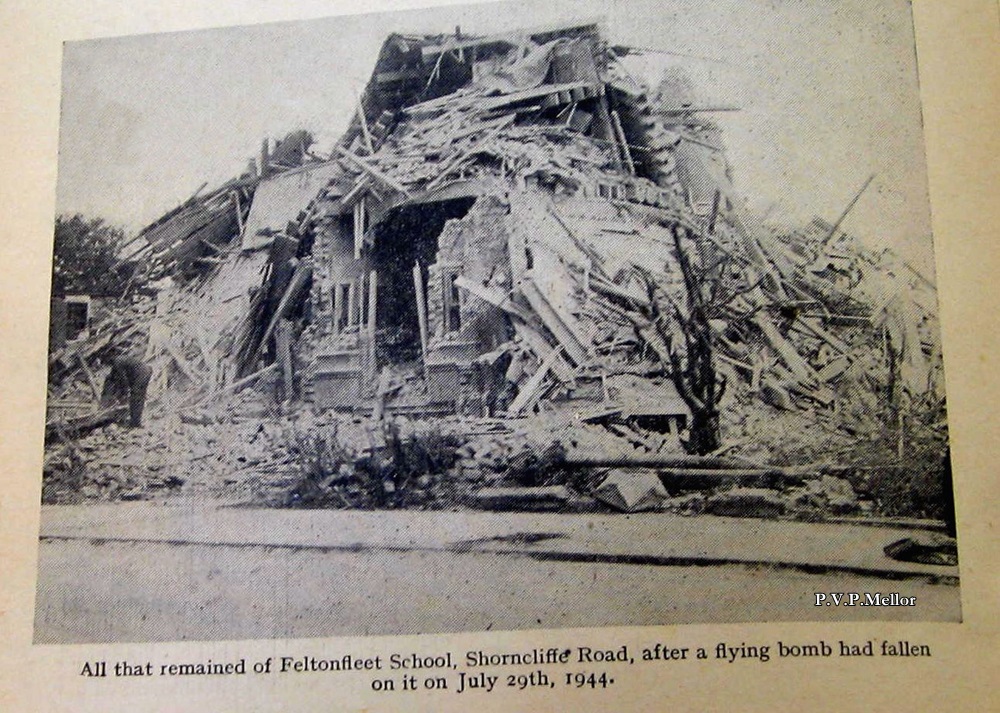
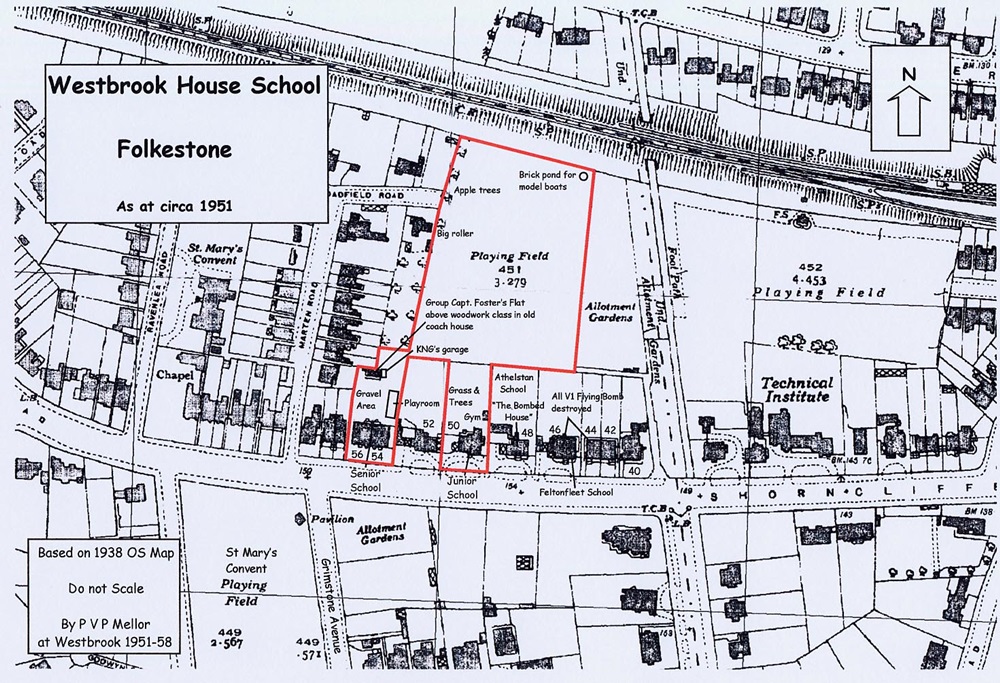
We will begin with Athelstan School, mentioned above that was located at 48 Shorncliffe Road, and Felton Fleet School next door at 46. On July 29th 1944, Folkestone was taking a beating from the Germans, and a doodle bug landed squarely on Felton Fleet School, which was demolished, and the blast also badly damaged Athelstan next door. Westbrook House, a residential property, was on the other side of Athelstan, and also slightly damaged, but not beyond repair.
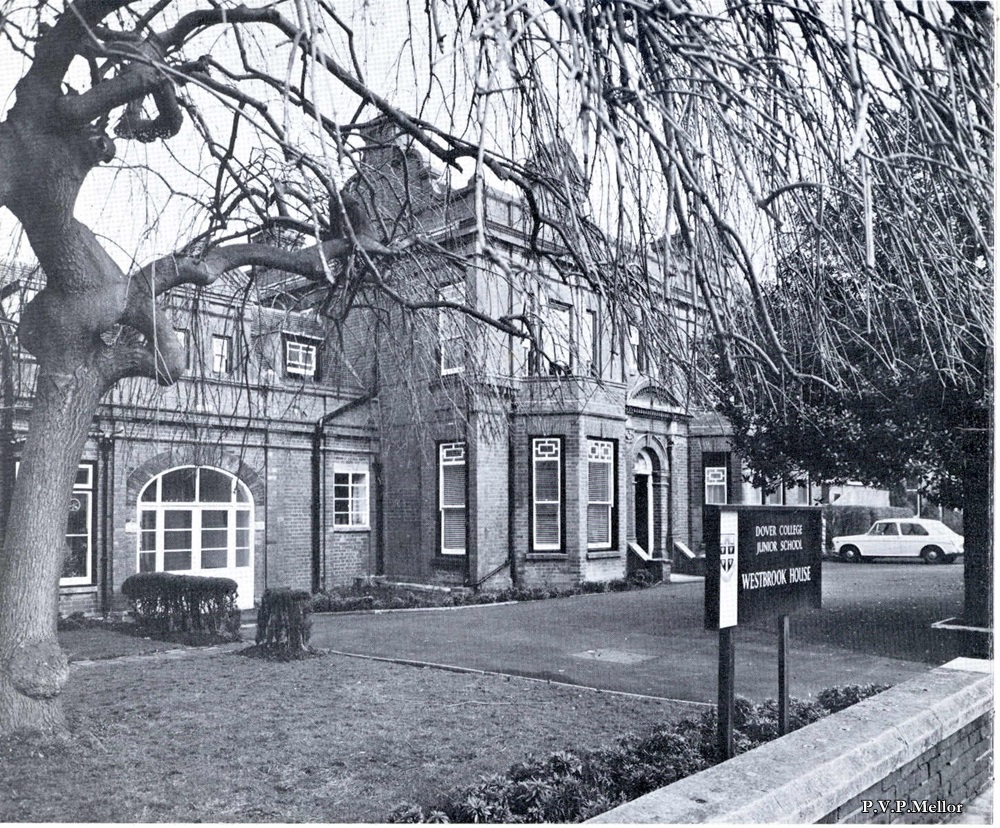
The school started as Westbrook House Junior School, Shorncliffe Road in 1947 as a boys only preparatory school under the leadership of Kenneth Noel Goring Foster a Yorkshire born son of a worsted manufacturer, ex-General Strike Police Reservist, ARP Warden and Schoolmaster. This was in the house next to the derelict Athelstan School, and Foster also took over their undamaged gymnasium plus their three acres of playing fields. He also acquired 52, 54 and 56 and Westbrook House Senior School was born. During Ken Foster's time the school was considered to be the best prep school for boys in Folkestone and district.

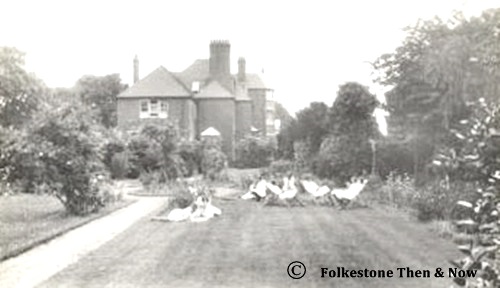
Athelstan School in the 1930's
Athelstan School in the 1930's
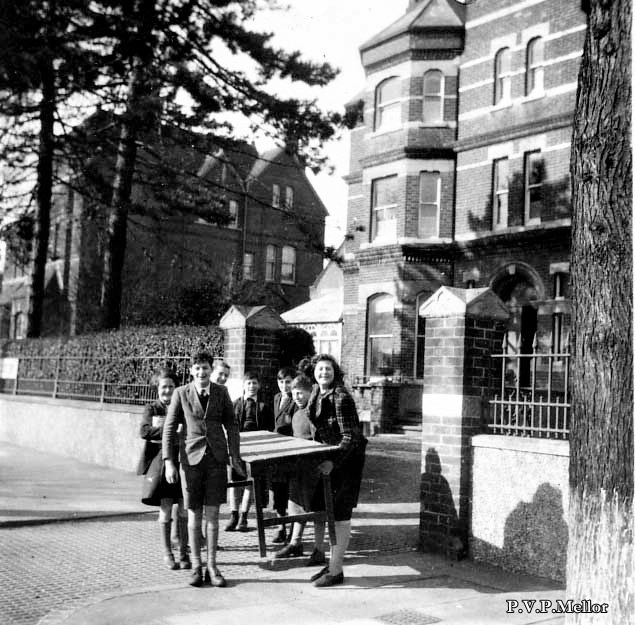
In 1968 Kenneth Foster retired as Headmaster and the school amalgamated with Dover College (becoming its Junior School) until 1994, and it was then renamed back to Westbrook House.
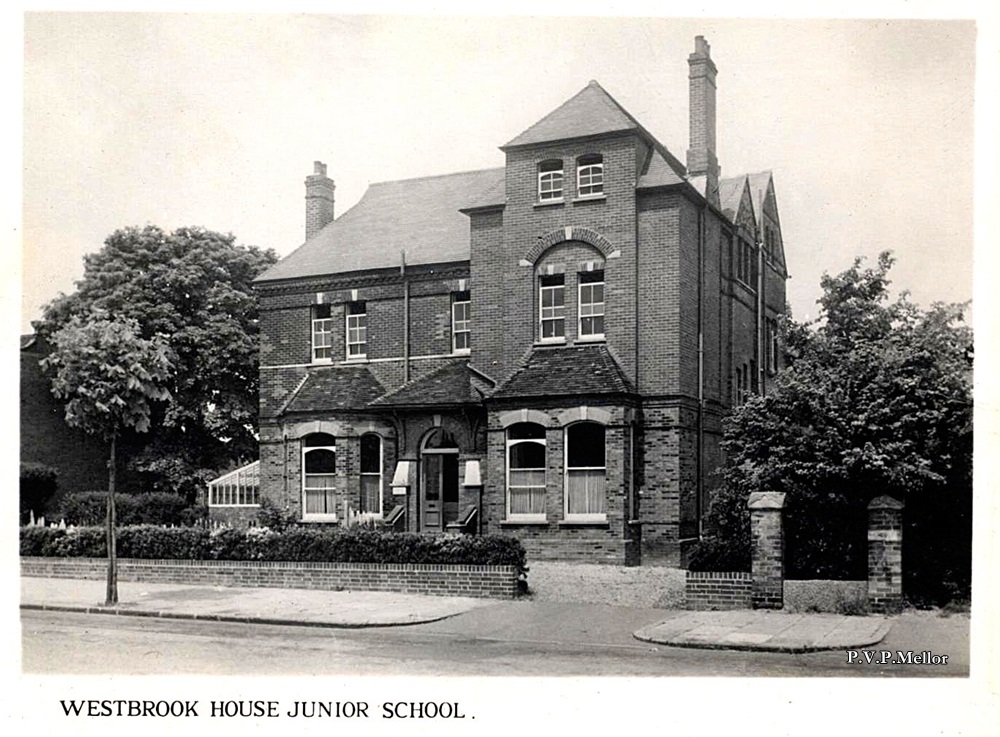
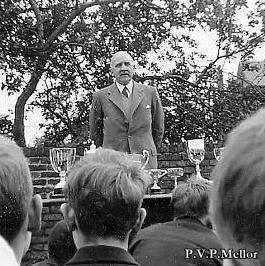
Headmaster Kenneth Foster
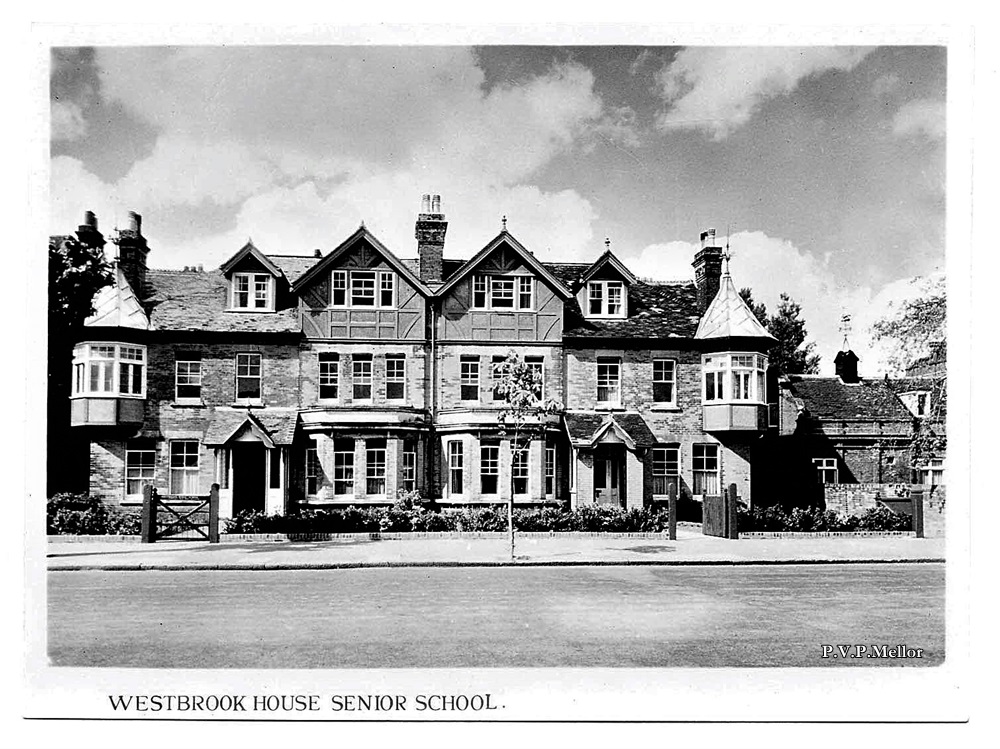
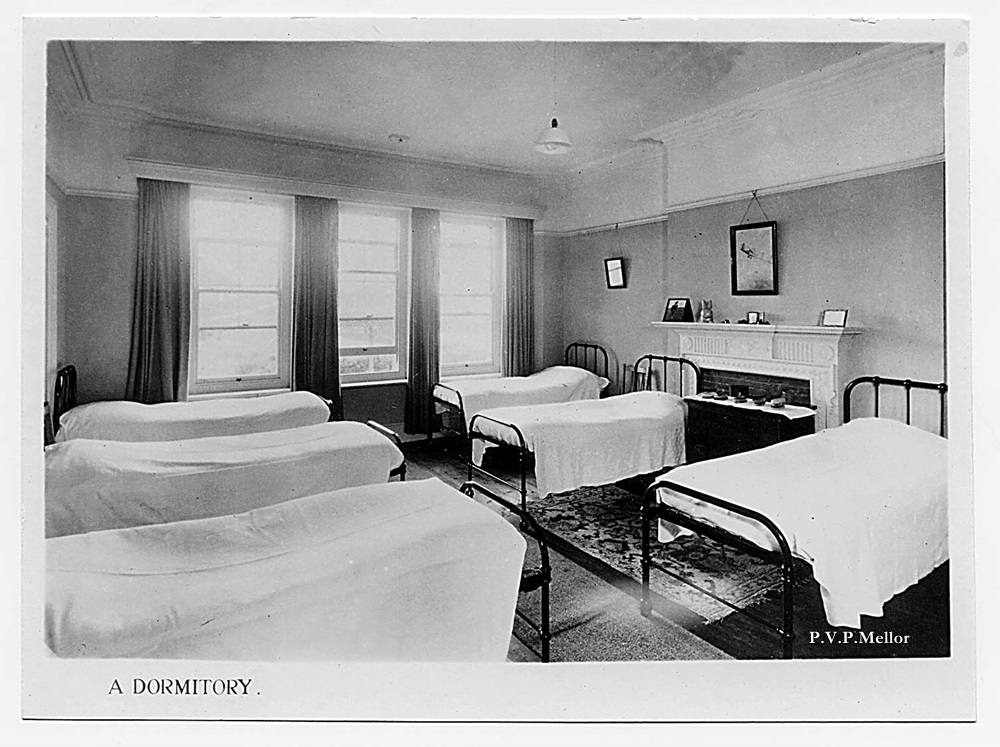
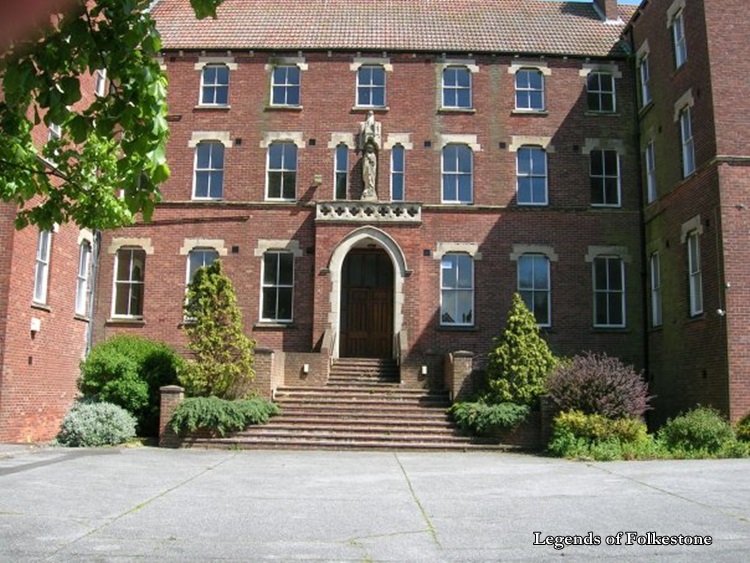
It amalgamated with St Mary's Convent for girls in 1997 to become St Mary's Westbrook. The school was then reinvented as an Independent private co-educational day/boarding school for 3 to 13 year olds, and had 150+ pupils.
1970's
1950
1956
1956
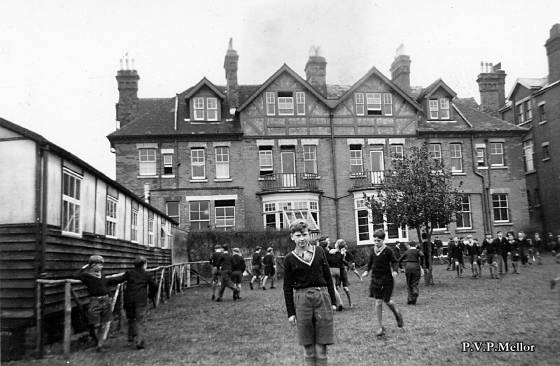
This is the rear of Westbrook House Senior School
St. Mary's Convent
In Sept 2005 The school became Westbrook House School for the third time under the headmastership of Niall Washington-Jones. The doors were finally closed on the 16th July 2008 with very little notice, due to what it described as a falling number of pupils.
Peter Bettley, spokesman for Folkestone businessman Roger De Haan, who was chairman of governors, said the school - which had just 68 pupils by then - was running at a loss and was facing losses of half a million pounds next year. He said Mr De Haan had subsidised the school, to the tune of £4 million since 2002, but didn't feel he could continue to do so.
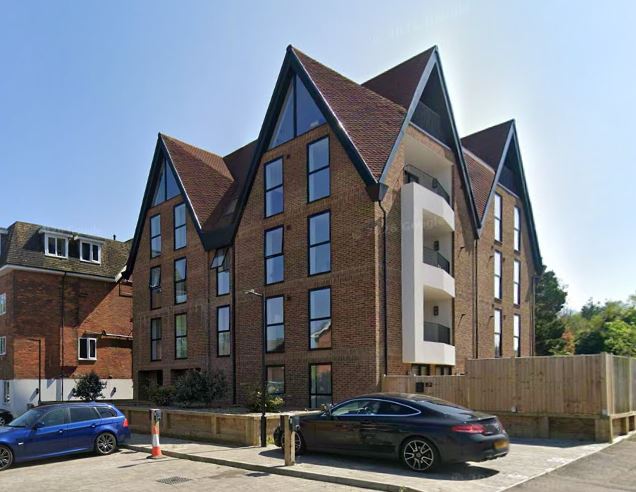
On the site of the demolished Athelstan and Feltonfleet Schools, plus a couple more houses, you will now find the Cliffestone Court flats. The Folkestone Care Centre is now on the site of the Westbrook House Junior School and Leigh House following their demolition in the years post 2008. The three acre playing field has also been filled with housing. The Senior School has been demolished and a new building project is underway.
Cliffestone Court
Folkestone Care Centre
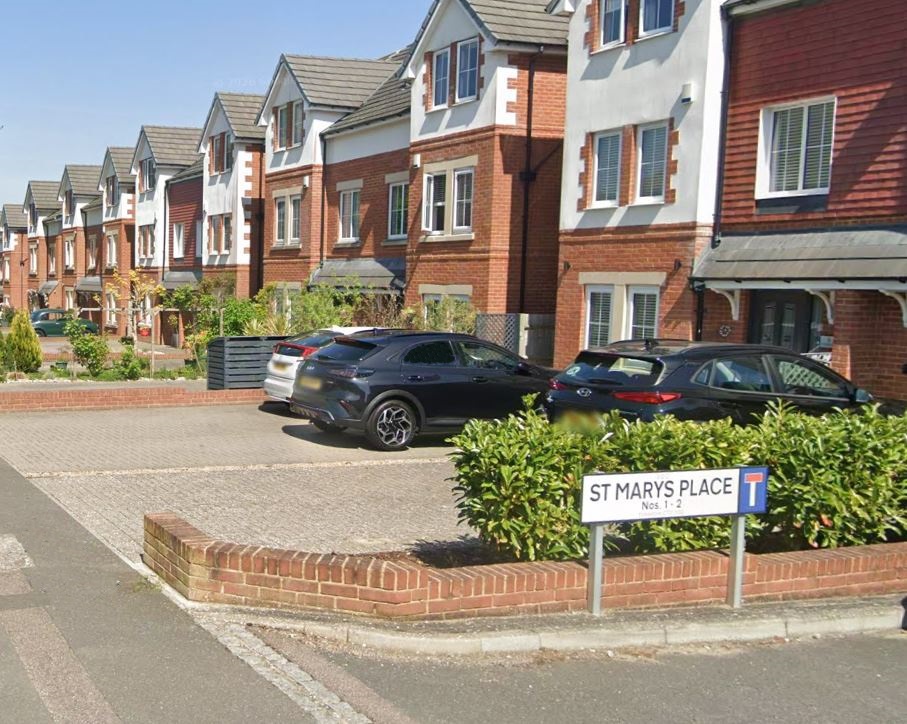
All the St. Mary's Convent buildings have been demolished too, and it looks like new housing almost all the way down Ravenlea Road. I can't believe the amount of new residential accommodation that has gone up in Folkestone in the last few years. They must be selling or they wouldn't keep building.
Dover College Junior School - Westbrook House
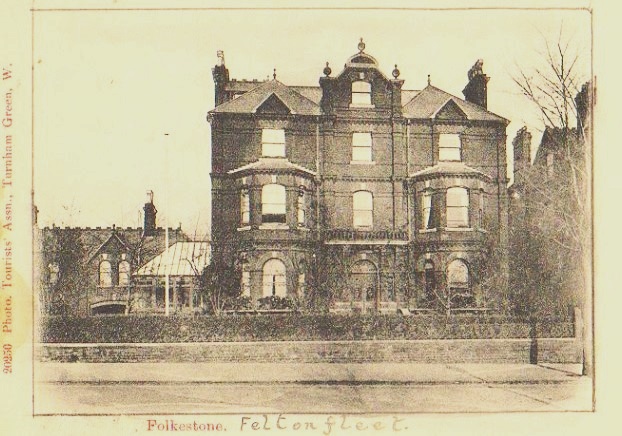
Peter Mellor recently wrote to me again and enclosed this 1910 picture of the Felton Fleet school before it was demolished. He has also kindly shared his report on the V1 event that took place on 27th July 1944, (not the 29th as reported on the newspaper cutting above) which is copied in its entirety HERE:
In 2013 I received an Email from Sandy Hargrove saying the following:
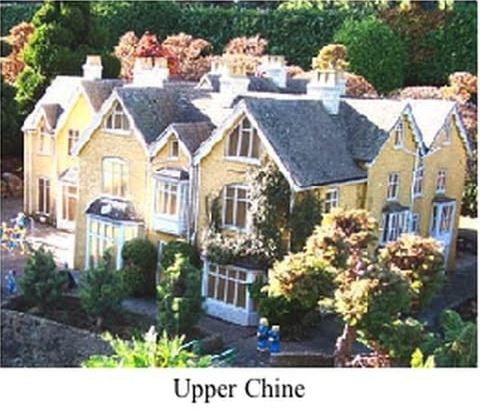
"The reason I am writing you is that I wrote a book about a school that began on the Bayle in Folkestone in 1799. It was known initially as Mrs. Cullen's Establishment; later as the Parade House School. The school was moved to a new building on Guildhall Street in 1853 and its name was changed to the Rockhill House School which you have pictured as the current Fernley Court Building. By 1906, the school was moved once again to #10 Clifton Crescent and re-named the Anglo-Continental School. Two additional buildings on the Crescent were added as well (one of which was probably #6 Clifton Crescent which was later a boys school). In 1913 the school had so increased in numbers of students that the owners looked around for a larger property which they found on the Isle of Wight in the town of Shanklin. So, once again the school was moved and the name changed to Upper Chine in 1914. Finally, in 1994, Upper Chine school merged with Ryde School where it continues today. The school has lasted some 214 years!"
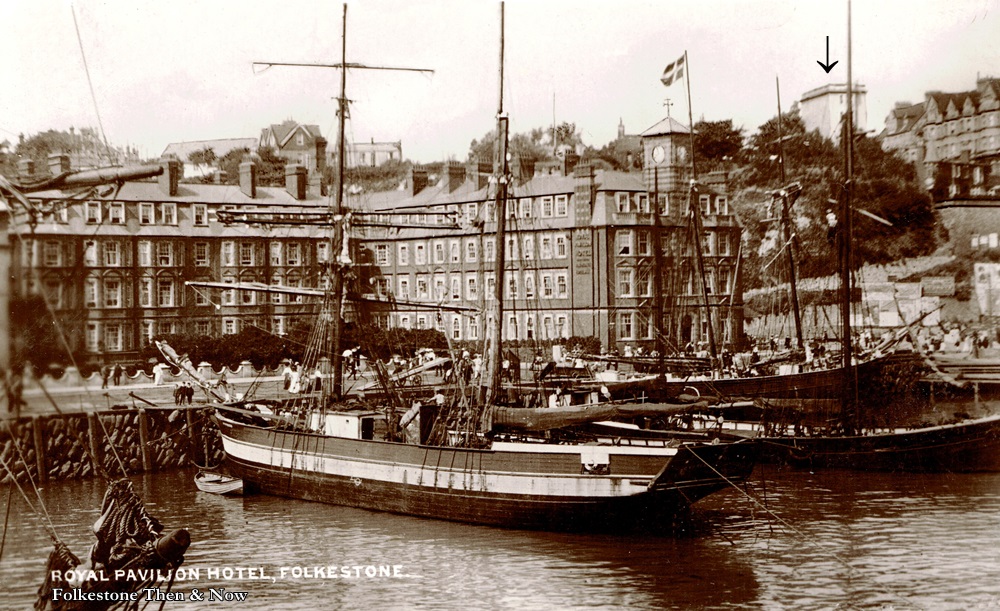
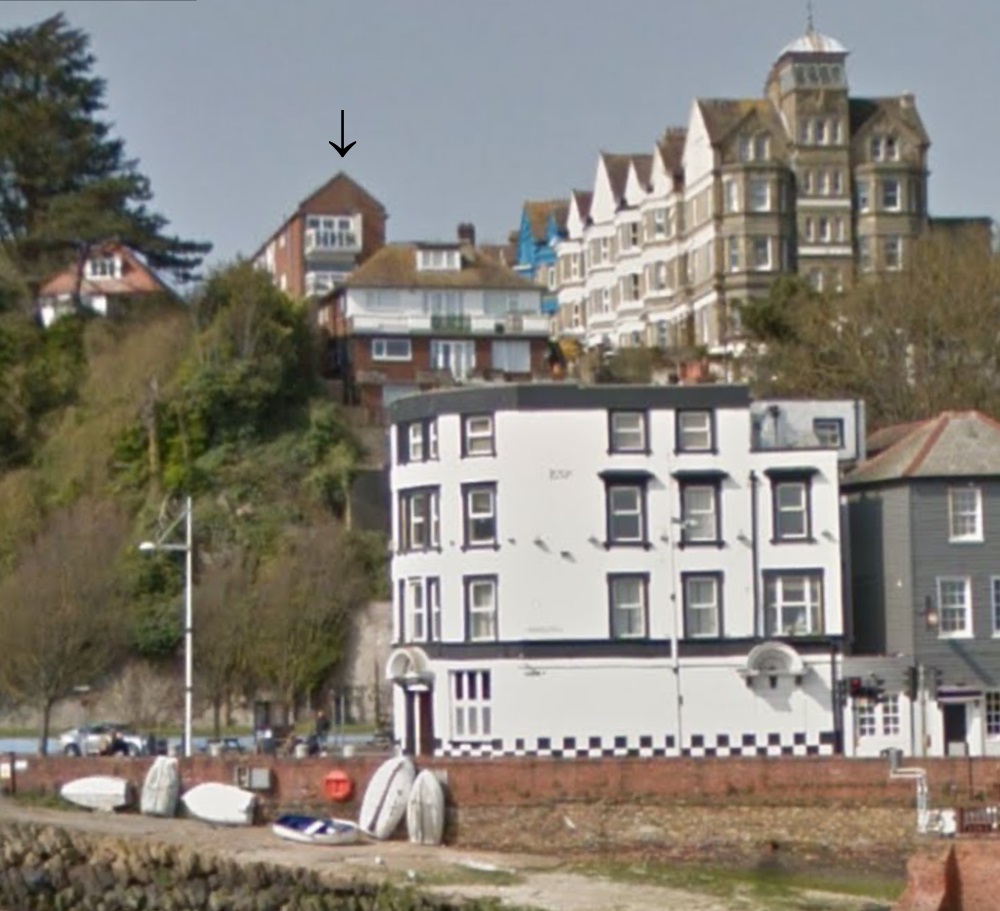
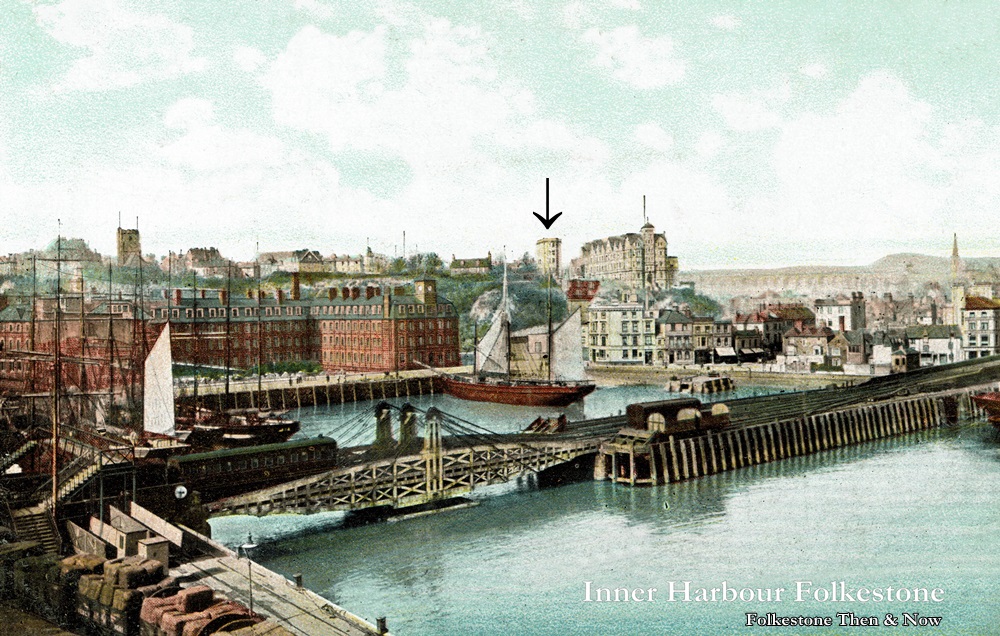
I did add this letter to the Schools page, but the only pictures I had was an old bad one and a modern one of Fernley Court, plus a modern one of the Anglo-Continental School, 10 Clifton Crescent. I had no idea which building it had been on the Bayle. Then by total coincidence recently, I was updating my page on The Harbour, and was curious about the building I have arrowed in the two images below.
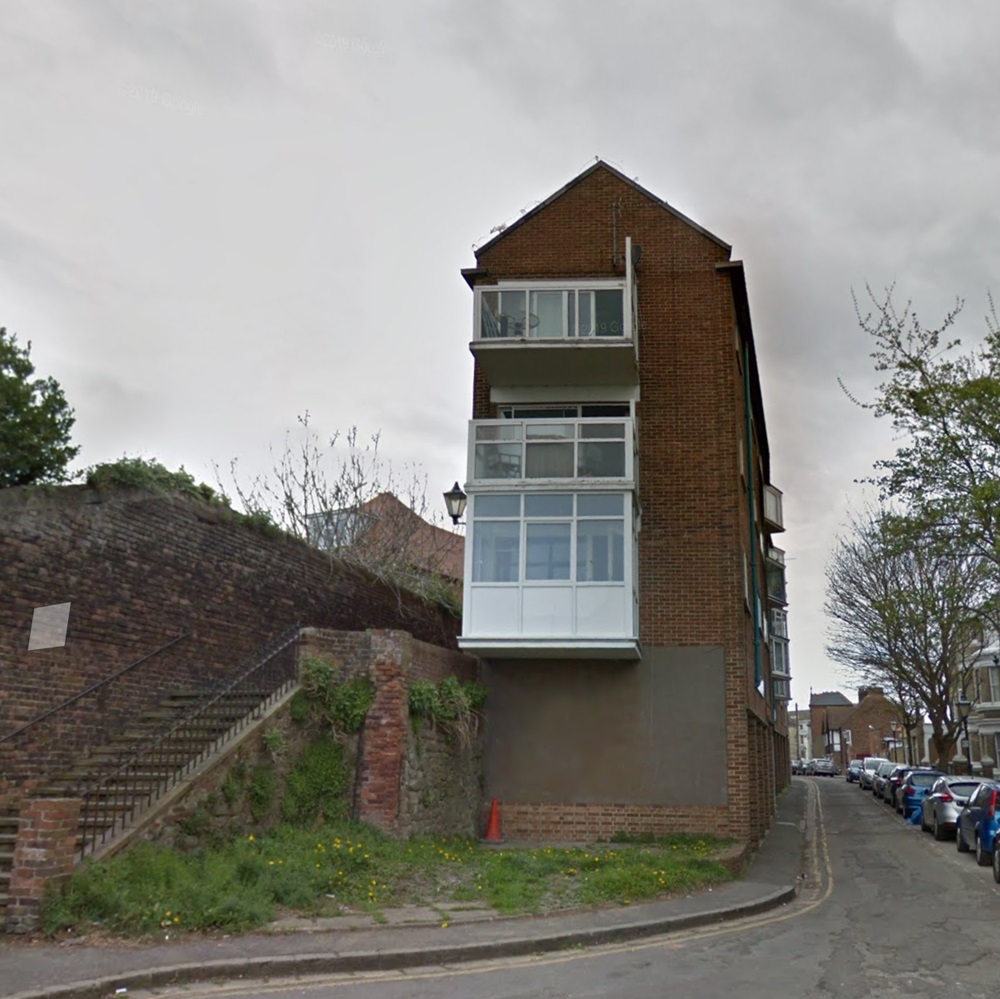
I asked online if anyone knew anything about that building, that had now been replaced with Bayle Court on The Parade near the Shangri-la. Alan Taylor had the answer of course, and told me he had recently been working with an author who was writing a book about the life of Illustrator and poet Florence Harrison, and the first place she had found her on a census was living in that very building, which was a school called Rockhill Academy, run by a cousin of her father named Elizabeth Harrison. So of course I had to set about doing a bit more research on it. I did indeed discover that the school had been started by a relative of Elizabeth's by the name of Elizabeth Farley Cullen in 1799, and at that time it had been called Mrs. Cullen's Establishment (a Dame's School). It was described as being on the old parade ground - i.e. bailey of a ruined castle, which I understand was still there at the time. From 1841 to 1853 the name was changed to Parade House Academy, but when Elizabeth Harrison took it over, she changed it to Rockhill Academy for young ladies.

Original Rockhill Academy
A couple of modern photos of the replacement building, now called Bayle Court on The Parade across the street from the Shangri-La.
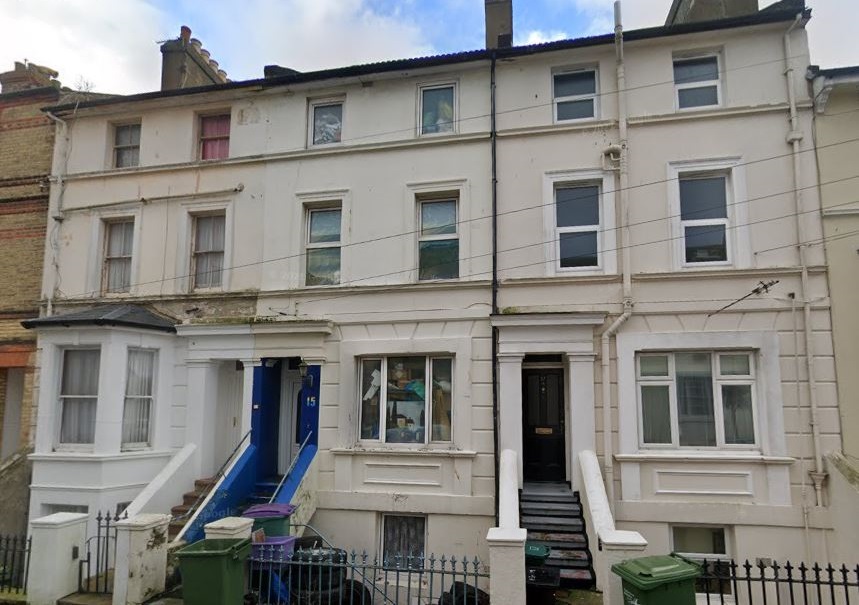
The house painted blue is No. 15 Victoria Grove today, I guess it could have been all one house in the 1800's, and could have been on a corner, but it's not anymore, I guess it is possible too that they moved into both of them at some point, as lots can happen in the ten years between census time.
Very old and a newish photo of 10 Clifton Crescent, where the Anglo-Continental School used to be. It was in business for many years, and is still going, but I believe it has now moved to Bournemouth in Dorset, but was still in Hampshire when they made the move in 1955. A lot of places found themselves in a different county around 1974. So glad Folkestone managed to remain in Kent.
Here is the school on the Isle of Wight, and I bet the students there are very glad it is no longer called Mrs. Cullen's Establishment (a Dame's School)
I urge you to buy Rockhill House School by Sandy Hargrove if you are interested in this school and/or the fascinating family who lived and worked there. Sandy has also compiled a very interesting pictorial bibliography of the art and poetry of Florence Susan Harrison who once lived in Rockhill House School, you can see details about both of these books HERE.