
Folkestone once had the reputation as one of the best places to go for your health. The sea air was bracing and was considered very good for the constitution, and it was indeed for those people living inland in smog laden cities with factories belching out pollution, or for those who spent their days breathing in coal dust down underground in the mines. Now these polluted cities have been cleaned up by law, and more attention is paid to the physical welfare of their employees. So sending them down to the coast to recuperate from an illness is less popular today, but one thing hasn't changed, a walk along The Leas on a windy day will tell you that the sea air is still very bracing indeed.
I don't profess to know the history of each facility, my job here, as in the rest of the website, is to show you the building as it was, and how it looks today if it is still standing. I am no longer in Folkestone, or even still in the country, so don't have access to local library services, but if you do, I really advise you to check on them, because I am sure their history makes for very interesting reading.
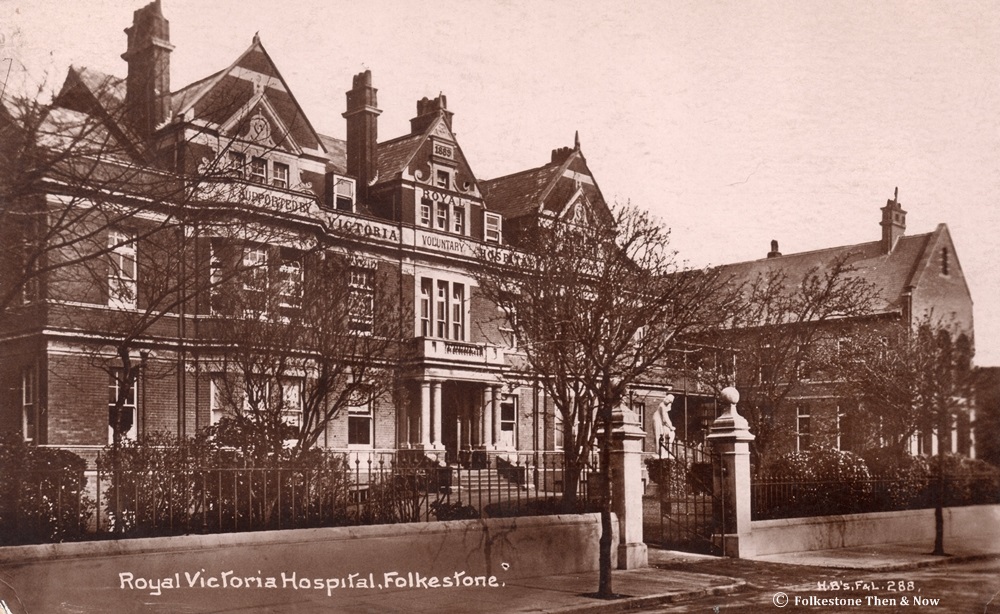
The Royal Victoria Hospital above shows how it looked when it was a fully functional hospital. It opened on Rendezvous Street in Folkestone as the Folkestone Dispensary in 1846. The name was expanded to Folkestone Dispensary and Infirmary and it relocated to a site on Dover Road in Folkestone in 1863. The current general hospital buildings were constructed on Radnor Park Avenue, and opened in 1890, when the name was again changed, this time to the Victoria Hospital. The prefix Royal was added in 1910.
In the 1970s, services were scaled down, with the focusing of regional hospital care in East Kent on the town of Ashford, Kent. In 1973 maternity services were moved to Ashford's Willesborough Hospital. In 1979 the new William Harvey Hospital opened in Ashford (ironically, named after Folkestone's William Harvey), and many other services were transferred here over the following years. The accident and emergency department at Royal Victoria Hospital was closed at that time, leaving it with a minor injuries service.
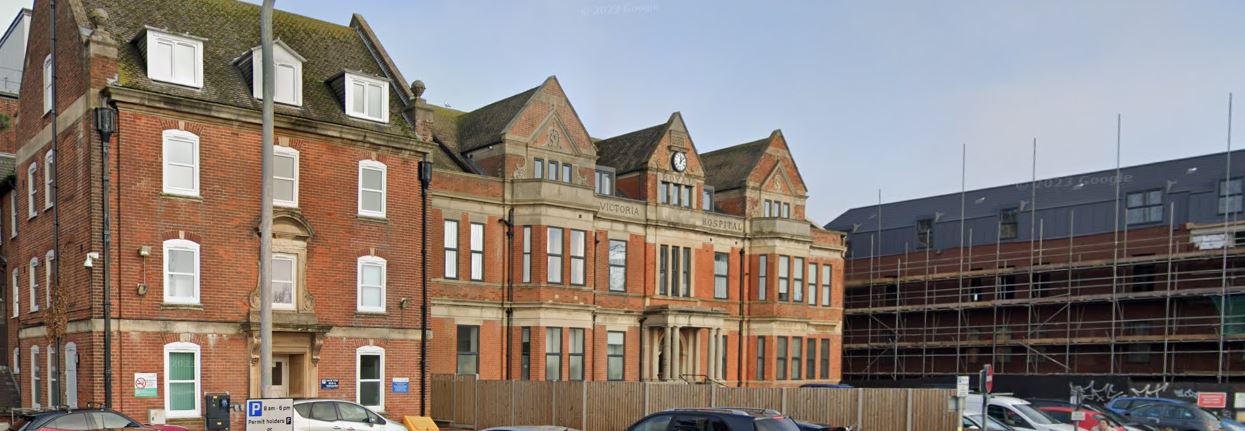
On the right is a 2022 photograph of the same building, but it has certainly lost a lot of its grandeur. The facade has been retained after a fashion, but inside it has been converted to residential flats, and the building on the right, that I believe was once the Nurse's Home, has been demolished and a big block of flats is being erected in its place. Sadly this is a sign of the times. Do they have less sick people in Folkestone now? On the contrary, Folkestone has more, but now they have to travel to a nearby town, like Ashford, Canterbury or Dover for hospital services.

As you probably know, Britain hasn't always had the National Health Service, it wasn't introduced until 5th July 1948, after the second World War. It may not be perfect, and always seems to be underfunded and understaffed, but when it was introduced, we certainly didn't have the means available to keep people living as long as we do today, or fancy equipment like CT Scanners, Ultrasound or MRI machines, pacemakers, we didn't do hip and knee replacements, cataract surgery or heart transplants - all this costs money, lots of it and for which many of us are here today because of it. Prior to the NHS, people got by as best they could. If they could afford to see a doctor they did, if they couldn't they had their favourite home remedies for what ailed them. Of course there was also the Unions or workhouses where the poor could go for medical care, and a lot of babies were born in those places too.
Although Penicillin was invented in 1928, it wasn't prescribed until much later. Benzylpenicillin, was the first to be prescribed in 1942. Can you imagine a world today without antibiotics? Also birth control wasn't easily available, especially for the poor. Families were large, and infant mortality was high. The birth control pill wasn't available until 1961.
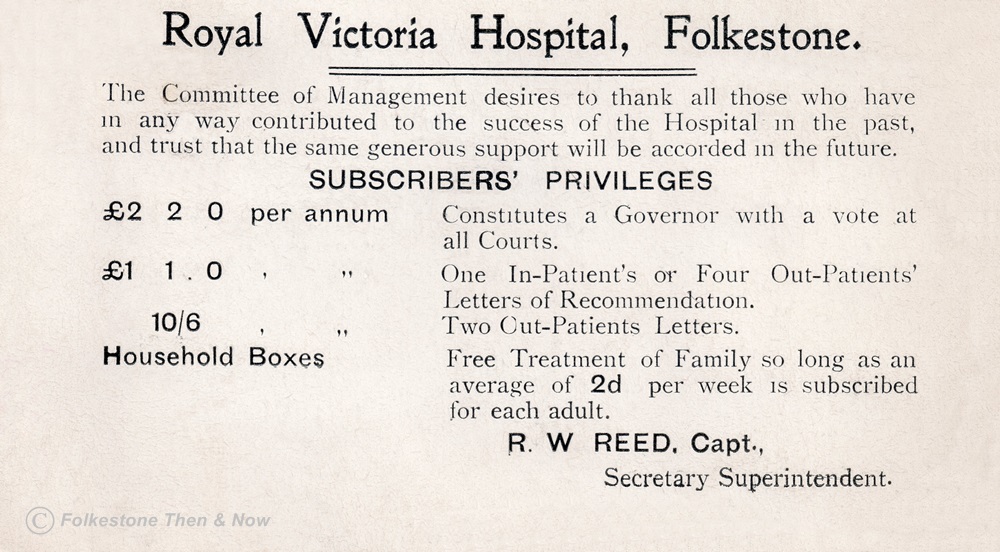
As you can see above, hospitals had their own medical insurance if you could afford it. But even 2d (about 4p in today's money) per week was a lot if you were on a low income with about ten children to feed and clothe. The Royal Victoria Hospital also had charities collecting for them, like the Sandgate Hospital Fund.
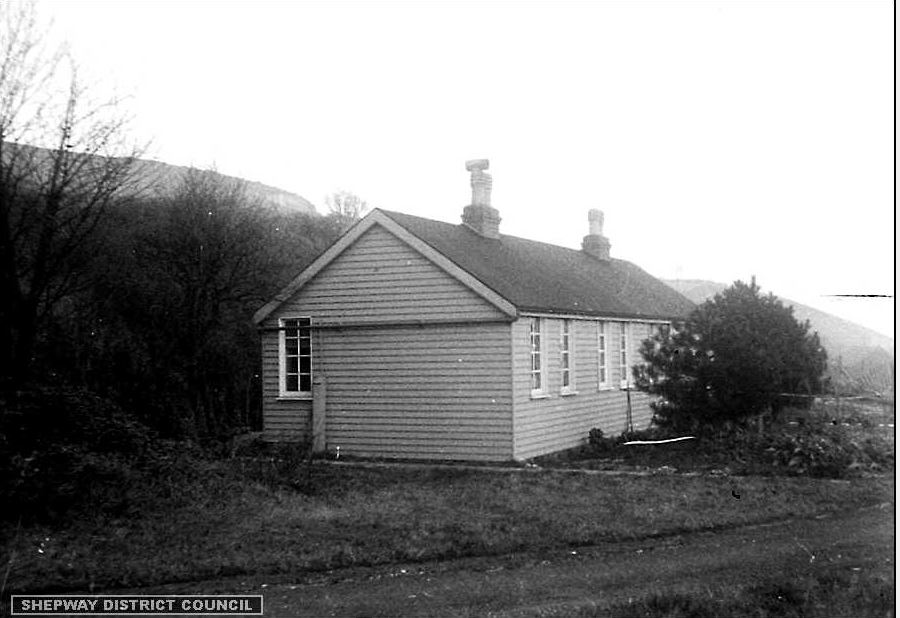
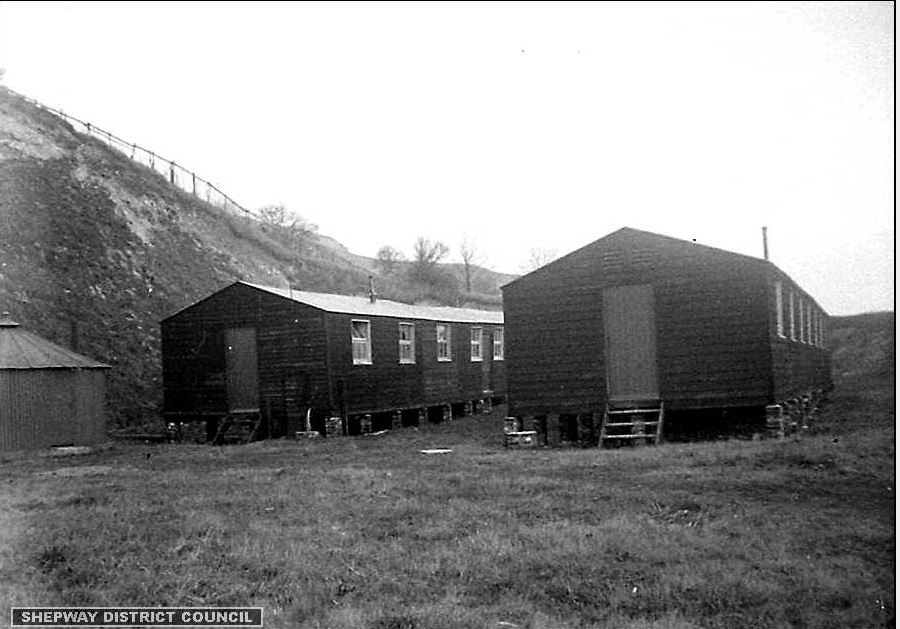
Smallpox was rampant throughout the UK in the 17th and 18th Century, a dreadful disease that killed millions, and those that survived were left with horrible scars all over their face and body. It was the first disease to be totally eradicated towards the end of the 18th century. Dr. Edward Jenner noticed one day that a milkmaid who had contracted the milder cowpox did not contract smallpox, even though she had been exposed to it. So he did something that wouldn't be allowed today, he injected a young boy with a serum of cowpox, and then later exposed him to smallpox, and he too did not contract the deadly disease. Therefore a vaccine was produced and eventually the disease was eradicated. This was the beginning of vaccinations for children, protecting them against diseases that millions had died from in the past. I personally am a strong believer in vaccines, when I was a child Polio was the latest dreadful disease going round, putting people into iron lungs to help them breathe, and eventually die, or if they survived were crippled for the rest of their life. All children were vaccinated against it - I don't remember if parents were consulted, or given the option to refuse it, but it was under control once again thanks to vaccines.
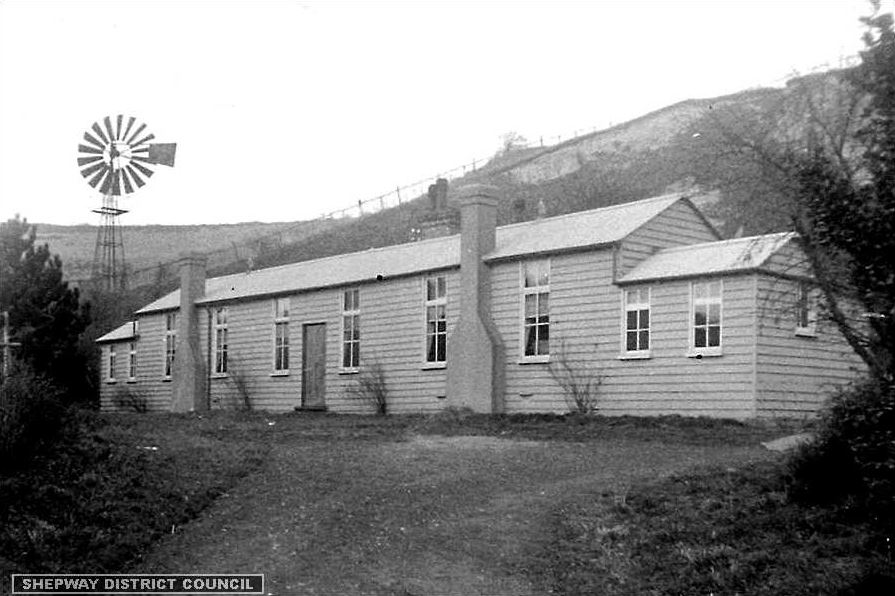
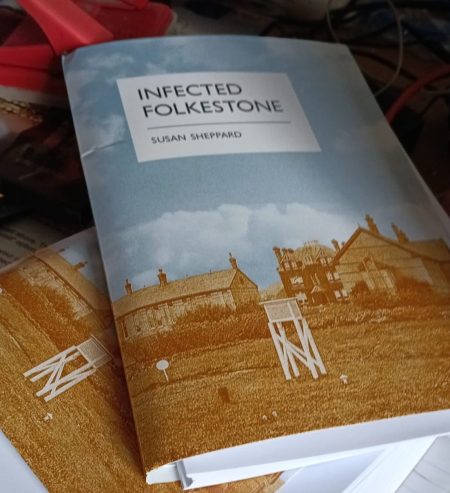
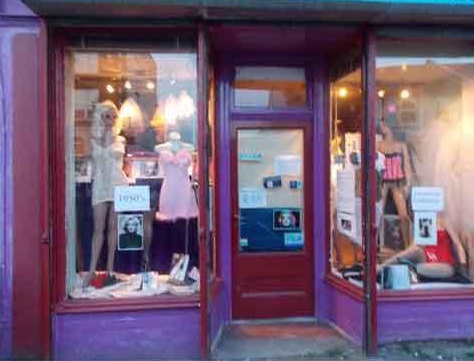
The above Smallpox hospital location was accessed along Smallpox Hill from near the top of Dover Hill, and leads to Crete Road East. I don't know a lot about the history of this small hospital except that a Mrs. Millen was Caretaker there in 1928, so I suggest you read a book called 'Infected Folkestone' by Sue Sheppard, who owns Lacies Shop at 127 Dover Road. I believe she only has a few copies left, so you should make contact as soon as possible. You can reach her at +44 1303 240470, or if you are in Folkestone, you could drop by.
C.JPG)
C.JPG)
C.jpg)
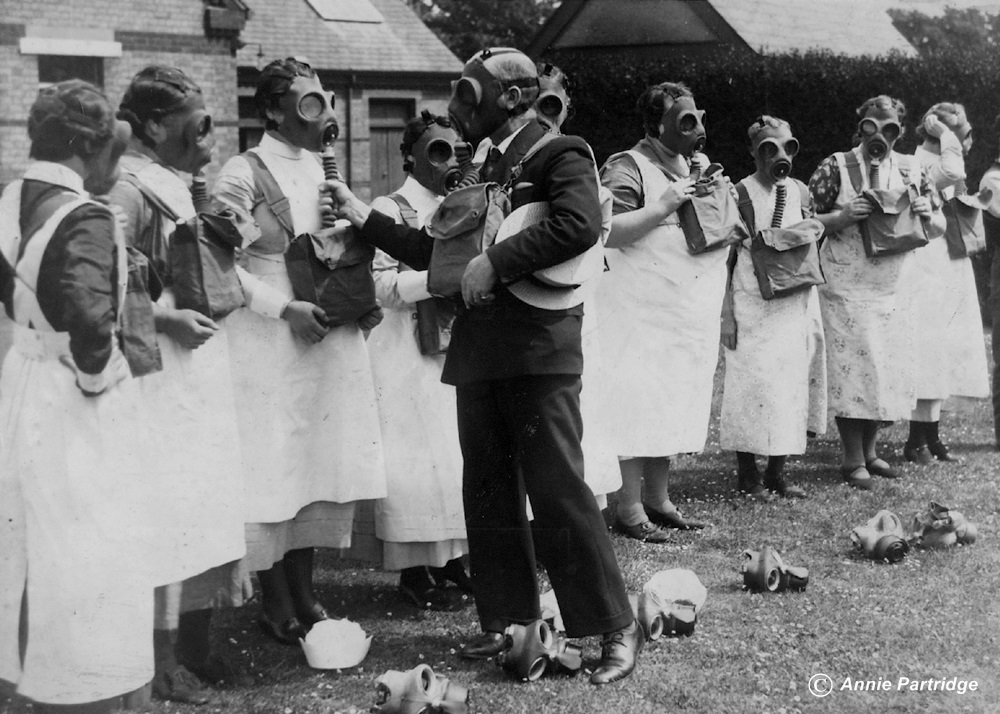
The above four photos were sent to me by Annie Partridge. They are of the East Cliff Sanitorium, founded in 1871 for infectious diseases such as tuberculosis, diphtheria, measles and scarlet fever. It was known as 'Mary Magdalene Home for Children' but expanded during the first World War to accommodate recovering soldiers. The building had been damaged badly by a bomb in 1940. It had passed to the police department before being demolished in 1967. In 1980 the government agreed to allow the erection of the junior building of St. Mary's Primary School on the new site and the junior department moved from their old school in Dover Road in September 1982. It was located around the end of Warren Road.
Gas mask training for the nurses in 1938. H. W. Gill instructor.
Adding a new military wing in 1915
In 1917 Folkestone was subjected to one of the first German aeroplane bombings when bad weather forced the planes, which were heading to London, to turn back and they dropped
the bombs over the town; one landed in the middle of Tontine Street, killing many women and children who had been queuing for groceries, and amongst others one was dropped on the East Cliff area by Martello Tower 3.
Although the Sanatorium didn't suffer a direct hit the blast from the bomb by Martello 3 was enough to blow the windows out of the buildings.
Folkestone became a place for injured soldiers to recover. It had a large number of hospitals and sanatoriums which were easily adapted or expanded to accommodate the patients and our sanatorium was no exception. When they began to take in soldiers they stopped taking other patients, and when the soldiers left, the building was closed as a hospital. Here is another photo of the military blocks going up, the buildings in the background are along Wear Bay Crescent and still exist today!
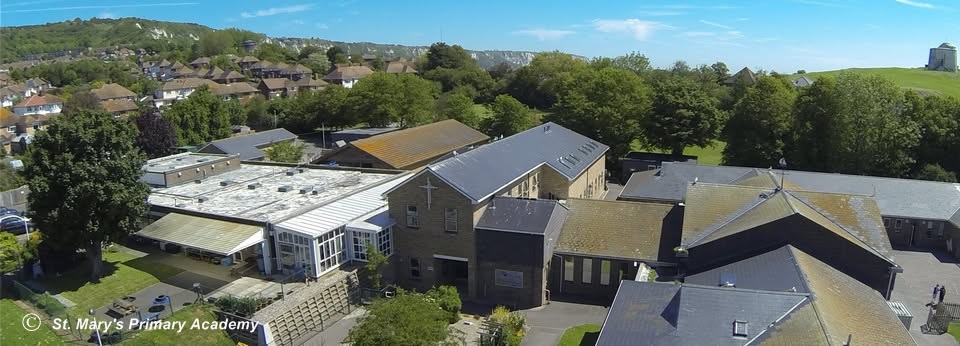
This is what is on that site now. St. Mary's Primary Academy. In my opinion, a much nicer use for the site, educating our young people instead of nursing the injured following a war, or nursing people with potentially terminal and very contagious illnesses, however necessary that was at the time.
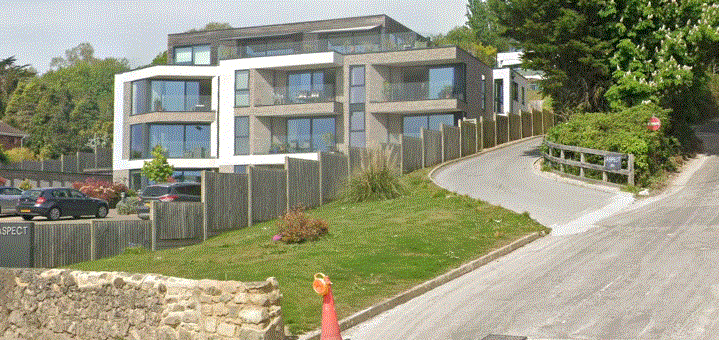
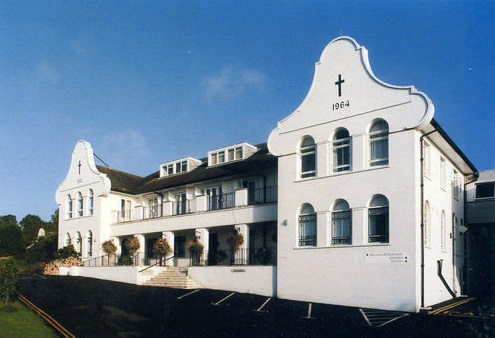
Here is a building I will never forget, as I was there every day for about three weeks in 1980. My mother had a terminal illness, so I came over from Canada to be with her for her final days. It was St. Saviour's Hospital in Seabrook. They had celebrated their 50th year just before the decision was made to close it in the early 1980's. Then they built Seabrook Heights on the land. It has a beautiful view of the sea, I can only imagine how much those luxury apartments sell for. There are nine altogether, plus one Penthouse. All sold at the time of checking.
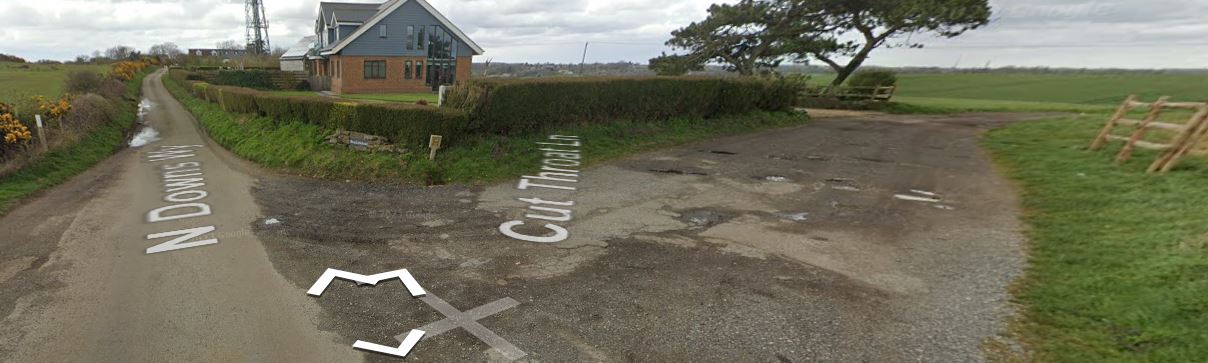
I can't show you what is on the site today because I am not absolutely certain of where it used to be, as nothing has been built in its place, but you can still walk up Smallpox Hill - I don't know if that is what it was called when the hospital was there, somehow I doubt it. When you get to the top, you will find North Downs Way and Crete Road East directly ahead of you, and off to the right is Cut Throat Lane - I kid you not! I checked Google, and they gave an explanation for a street in Witham that has the same name, they say it is another way of saying “Cut Athwart Lane”, meaning “Cut Across”, a short cut across a field. If that is the case for our lane, it is rather disappointing, I thought at the very least it referred to a highwayman robbing a stage coach at knife point in the 1700's or something. But it certainly does look as if it cuts across a field doesn't it?
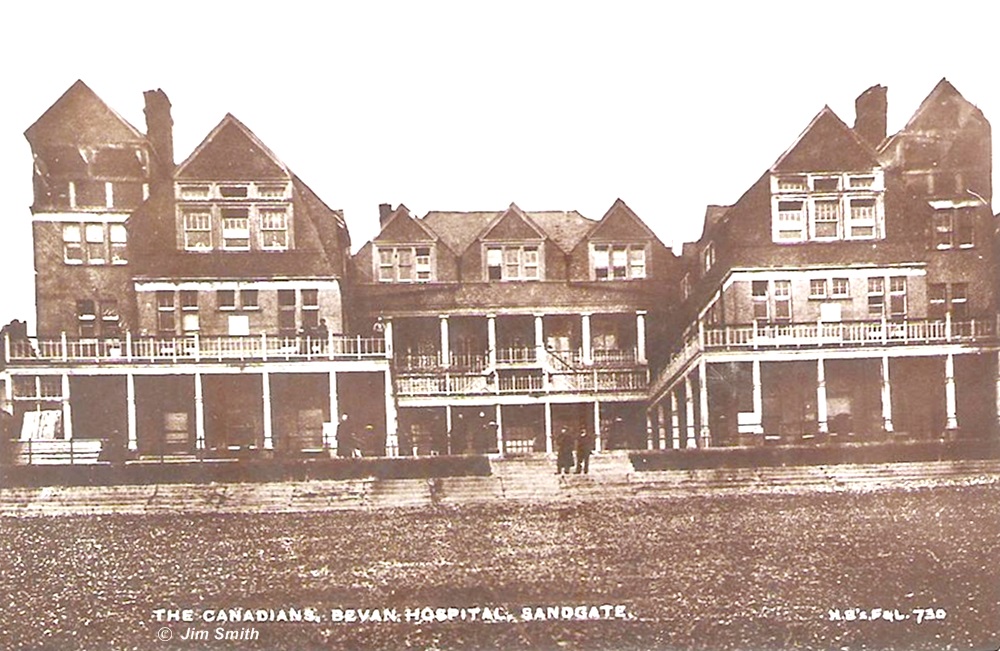
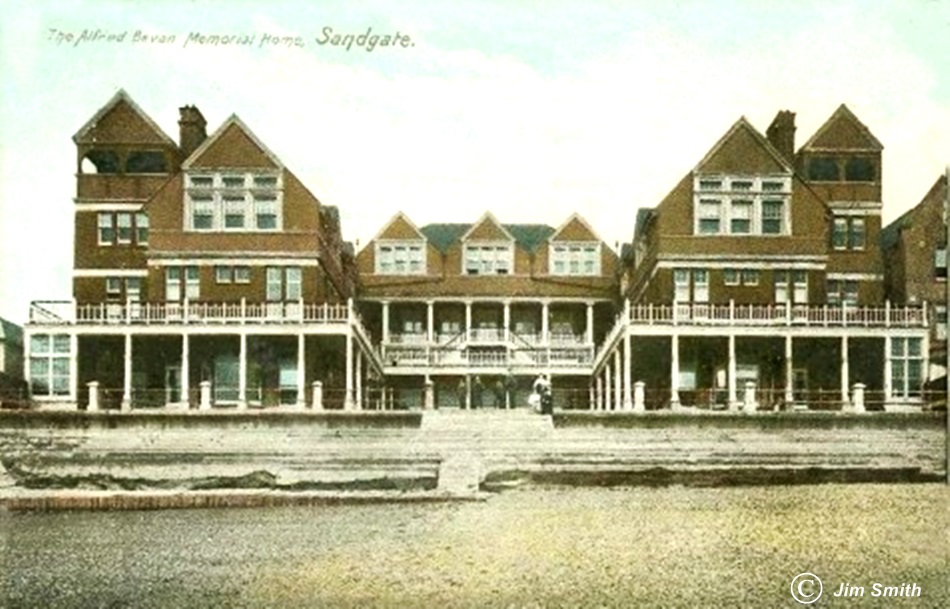
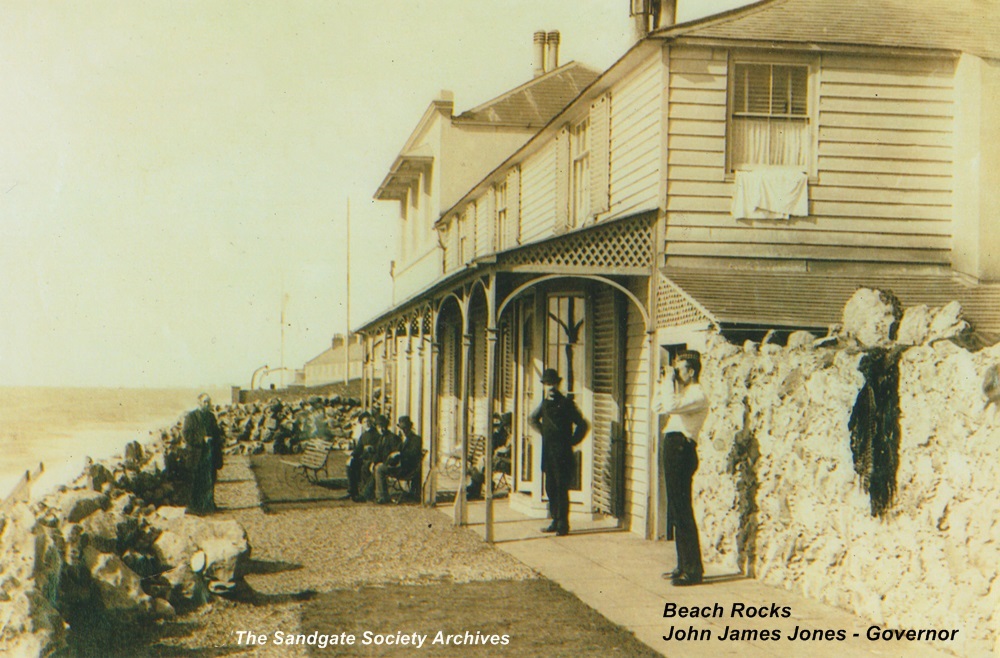
This was the Beach Rocks/Alfred Bevan Convalescent Home in Sandgate. It backed right on to the beach, dated 1892 until 1914, and was in business as a nursing home and also a military hospital for the Boer War, housing injured service men. Thank you to the Sandgate Society Archive for the above photo
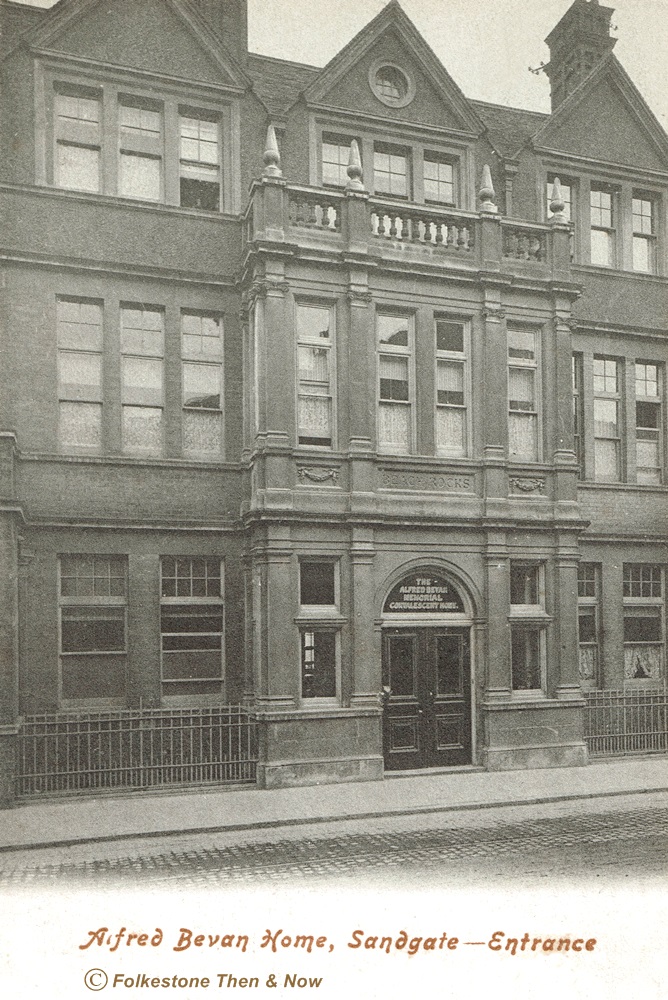
This was the front entrance in 1905
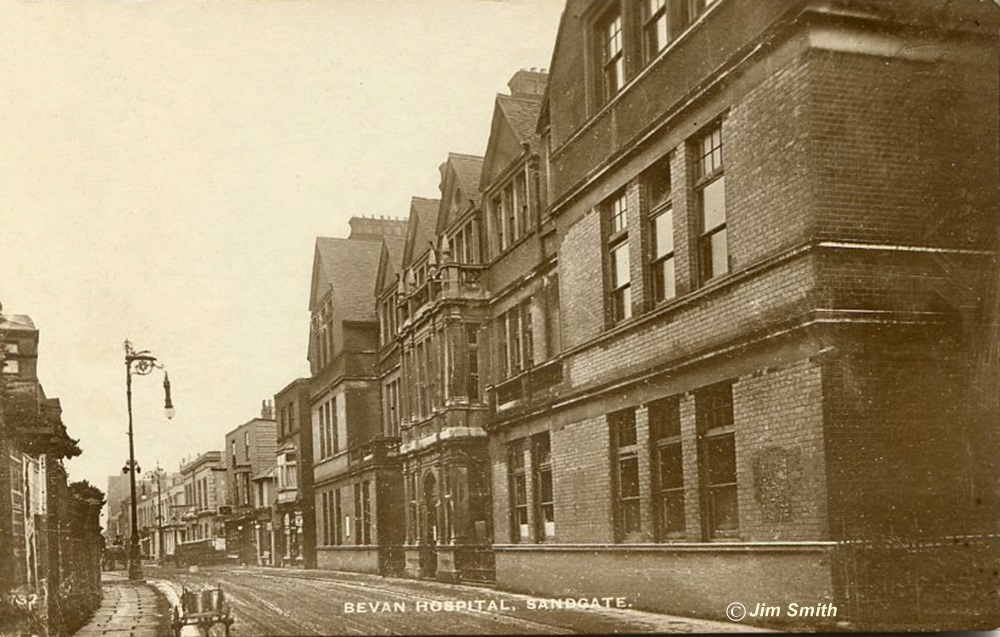
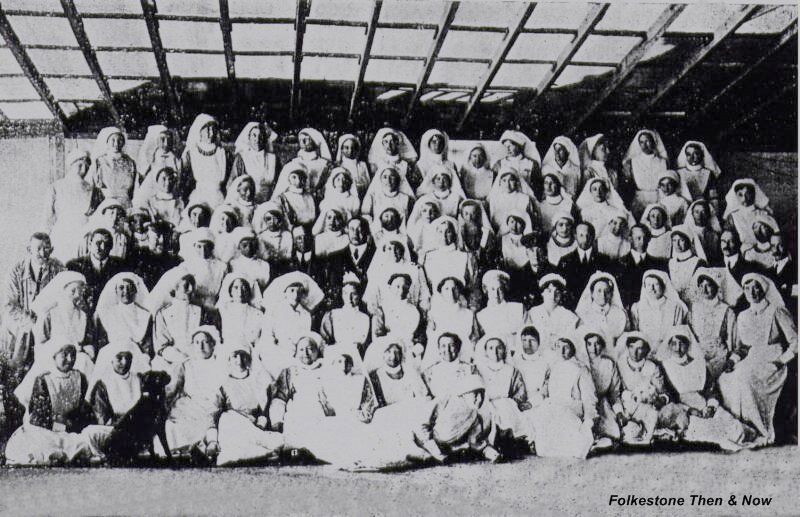
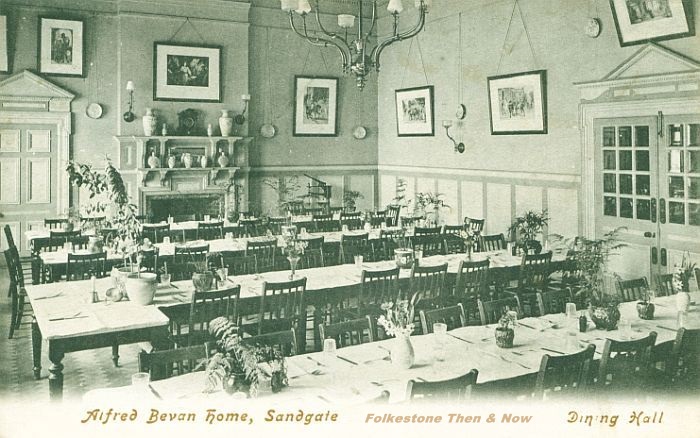
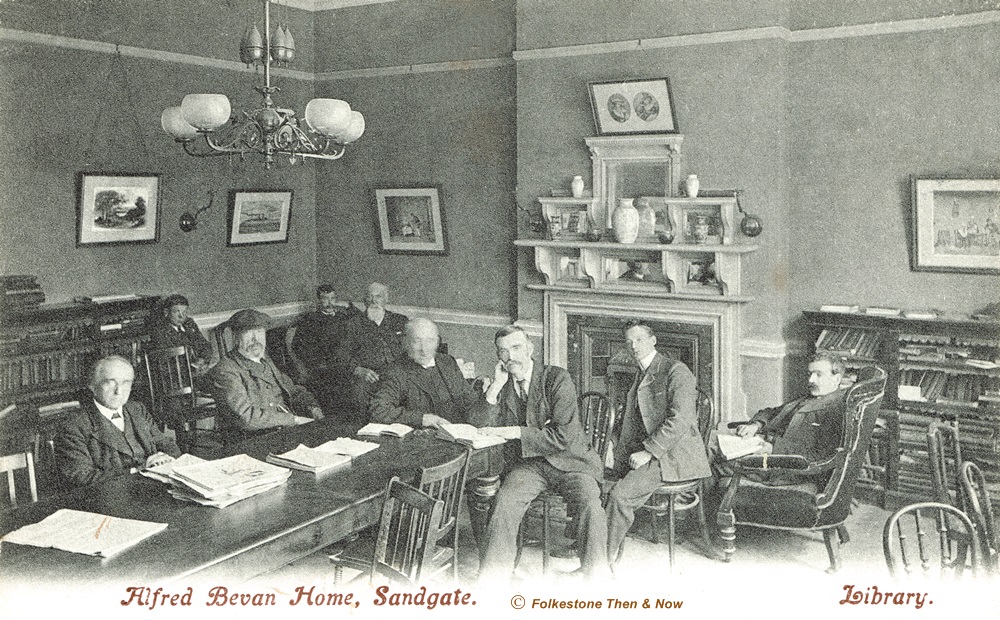
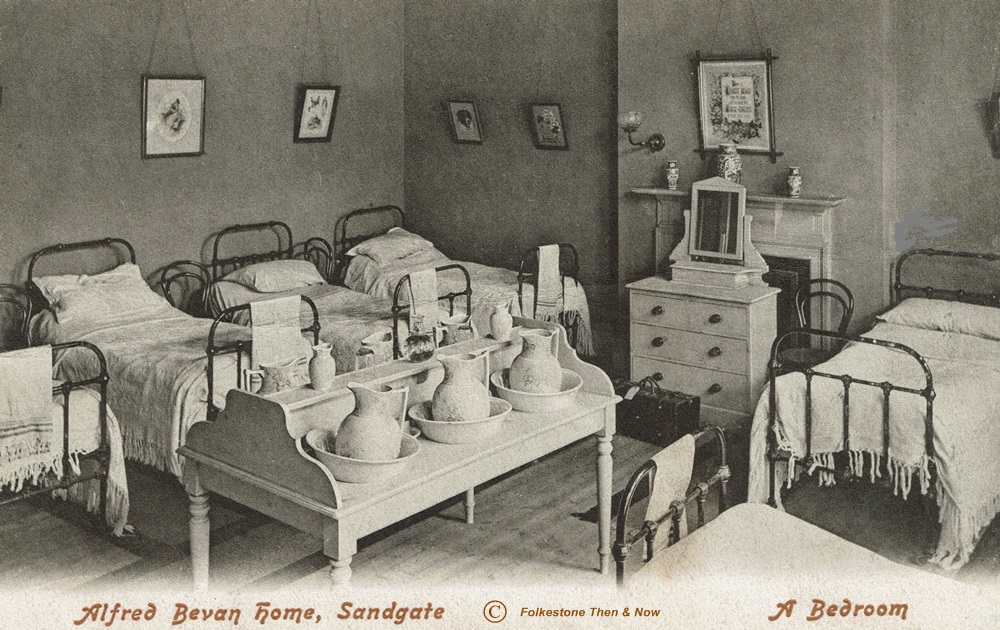
I do have a few different photos of the Alfred Bevan home, but Jim Smith kindly sent me some from his collection, thank you so much Jim.
They had quite a large staff of nurses didn't they?
As you can see, it was located right in Sandgate High Street.
The Dining Hall
This was the library. I am not sure if the men were patients or doctors.
Interesting that they called this A Bedroom, not a Ward, but I guess it could also have been for the nurses. Or maybe this was part of the plan to make the men feel at home.
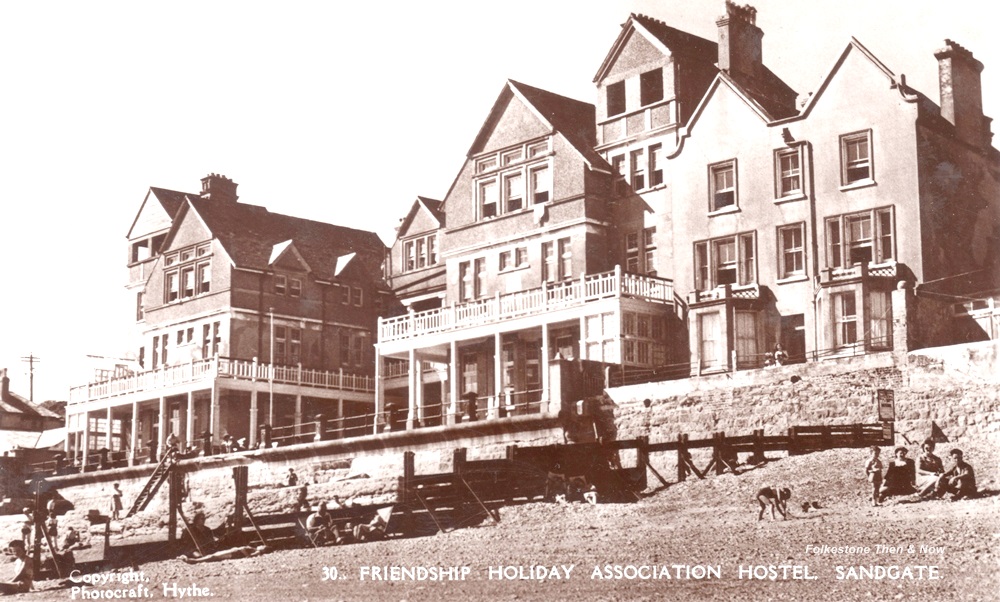
After the Second World War, the Bevan Home was purchased by the Friendship Holiday Association, a Methodist company, converted it into a hotel and it was renamed Beach Court Hotel. The company dissolved in the early 1960s and the Bevan was demolished.
The Bevan Convalescent Home had been standing empty for quite a while when WW1 broke out. It originated in the Voluntary Aid Detachment Kent 30 of the British Red Cross, with Miss M. A. Mumford as Commandant, and as it was in a rather dilapidated condition it took six months to convert it to house the injured military, not just Canadians as we are led to believe by the picture below, but as it became an annex to the Shorncliffe Military Hospital, it catered to all military personnel including the Imperial troops, Australians and Belgians too.
The central court was entirely devoted to open-air treatment, and here the most obstinate cases of septic poisoning were rapidly cured; so much, indeed, were the patients benefited by their sojourn here that whenever any of them for one reason or other were moved indoors they invariably begged, even in wintry weather, to be taken back. This open-air sea ward was sheltered from the rains and winds by a transparent roof and storm blinds, erected through private generosity, and only in the event of the most severe gale was this ward vacated.
The hospital was more like a home than an institution, the men were cooked good wholesome meals which also helped with their recovery, but their medical care was also first class, as they also had doctors and surgeons on the premises, and many successful operations were performed.
I gleaned most of this information from the South-East History Boards, who in turn gleaned it from the book 'Folkestone at War 1914-1919' in which they found an account of the WWI Bevan Hospital at Sandgate. However I have been unable to find this exact title, so can't credit the author, so if anyone has it, please let me know who to thank.
The East Cliff Sanitorium
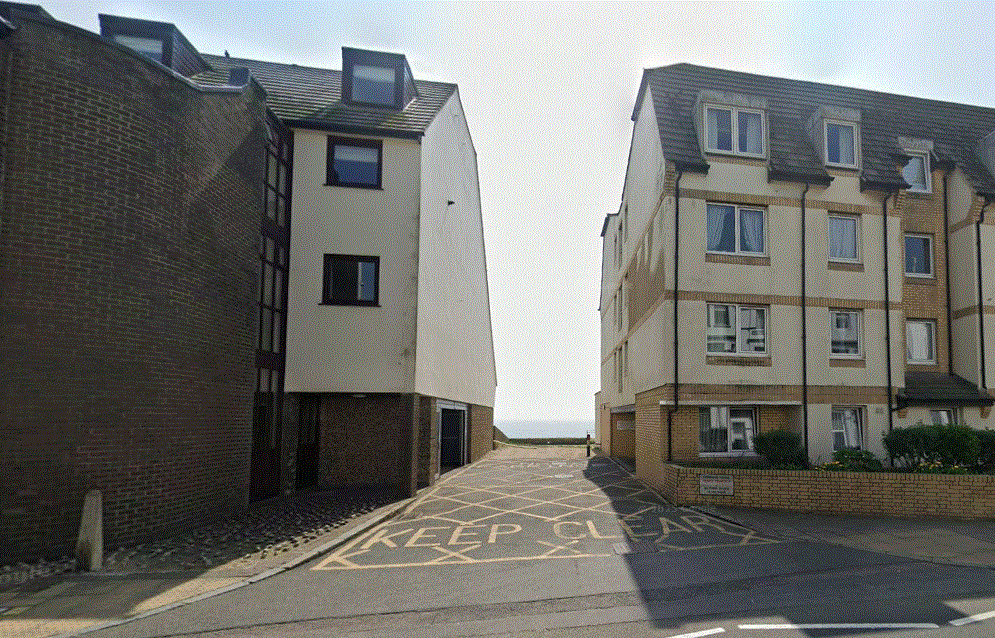
The Alfred Bevan Hospital was located around here. The address was 113 High Street, Sandgate.
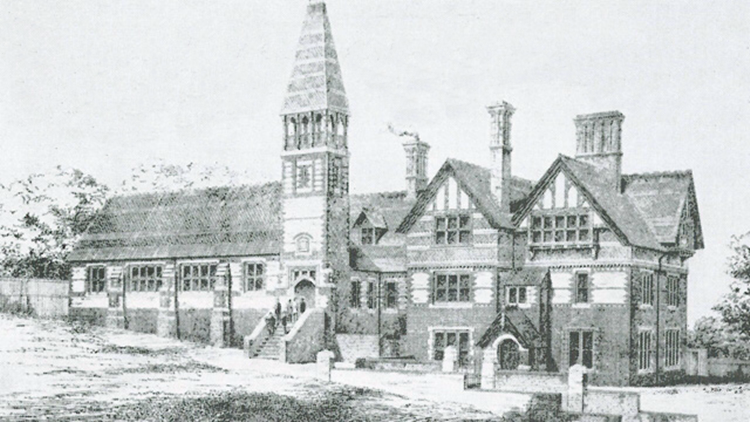
Some of you will recognise this sketch from the Schools page. It is the former Harvey Grammar School before they moved into a new building on Cheriton Road. Why is it here you ask? Well, after the move, this building was used as a Maternity and Child Welfare Centre. It also housed The Education Committee's Dental Clinic for Children and Sir Philip Sassoon's Dental Clinic for Adults.
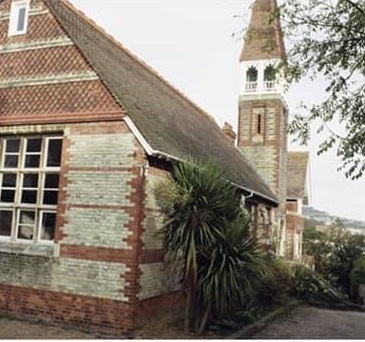
The building is still standing, but can't get a great photo of it, as it is now a gated residential building.
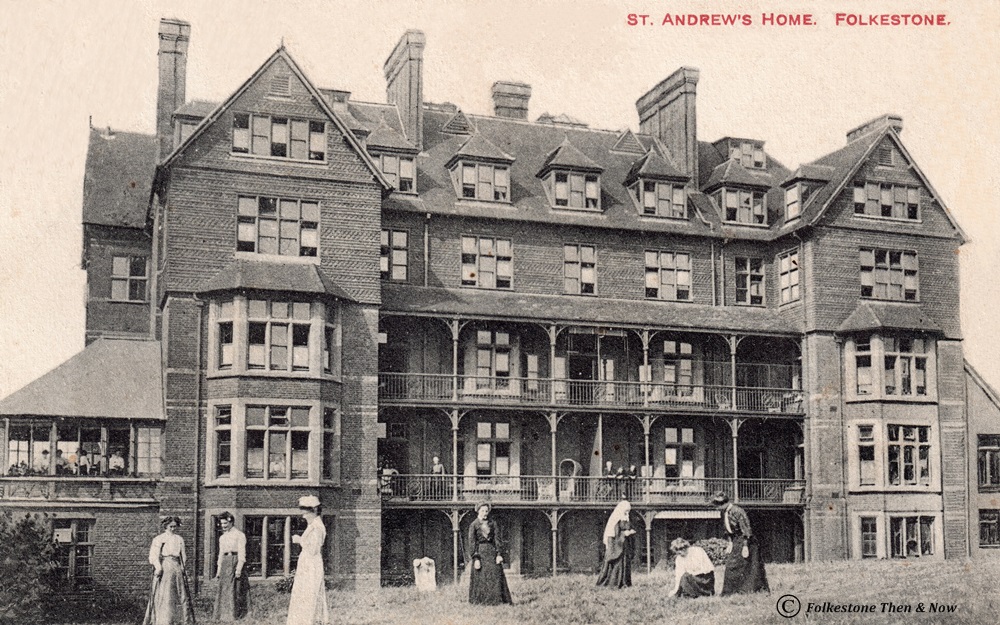
This has probably been one of the most photographed buildings in Folkestone. It began life as the St. Andrew's Nursing and Convalescent Home up on The Durlocks. Originally run by the Sisters of the Community of St. John the Baptist, Clewer, Anglican (Church of England) nuns. The home worked with St. Peter's Church next door. The CSJB nuns left Folkestone and Clewer many years ago. For a long time they were based at a new convent in Windsor, but in 2001 they relocated to Kidlington, near Oxford. They are Augustinian nuns and their order was founded in 1849.
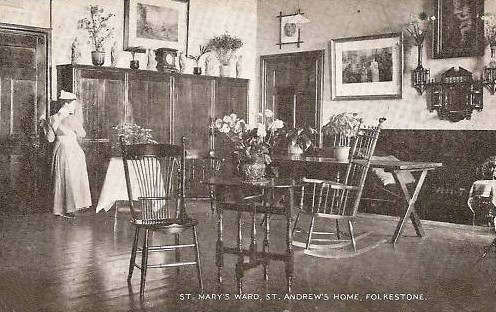
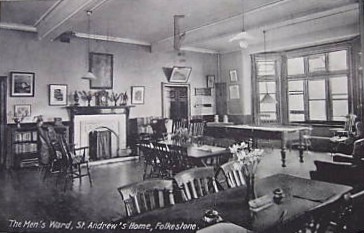
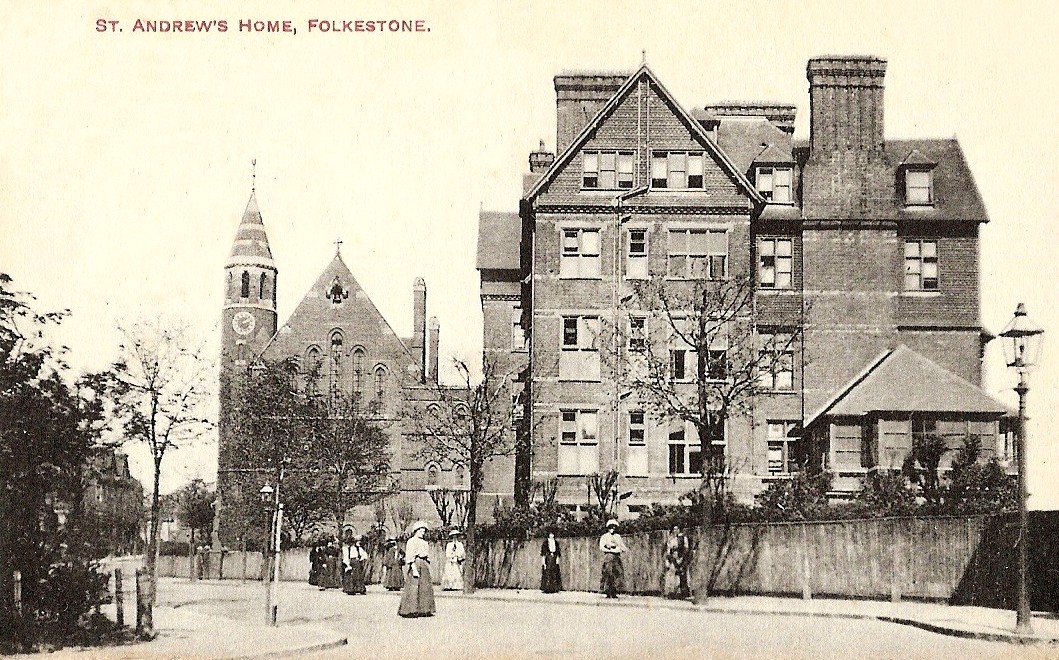
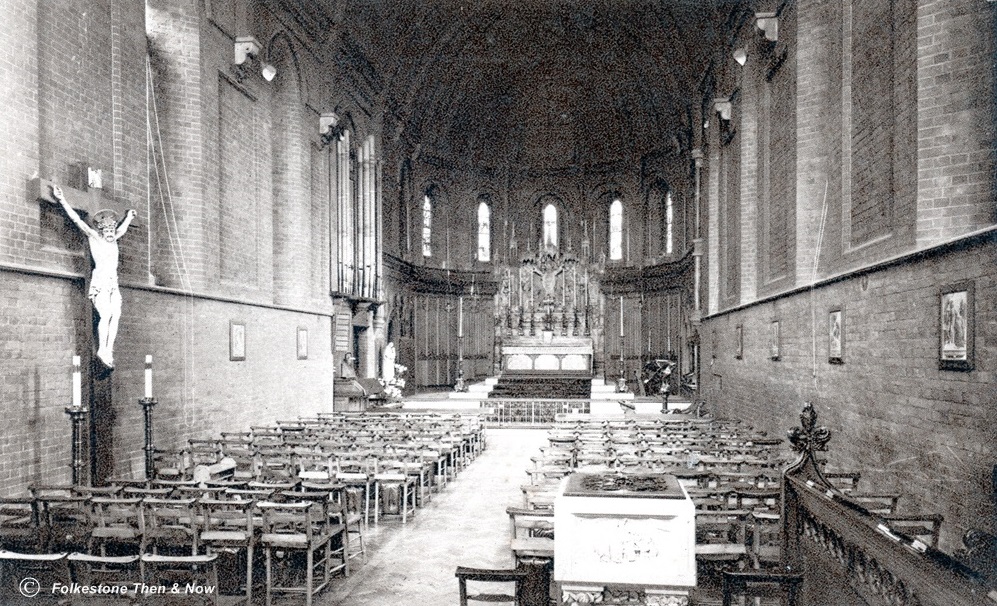
The 1911 photo above shows the Chapel on the left that I believe is still in use today. The photo above right shows the way the interior used to be. I don't have a modern photo of that.
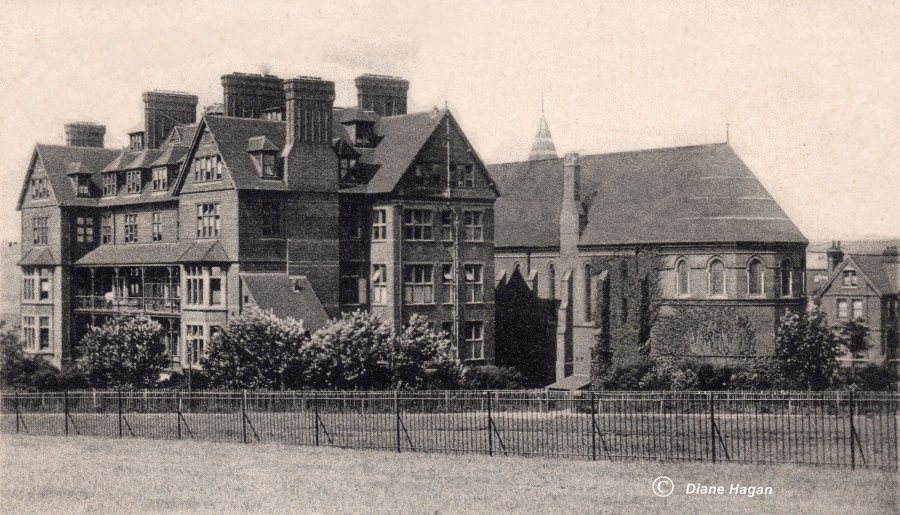
This 1905 photo sent to me by Diane Hagan shows the building across the street in the background that they used for the boys
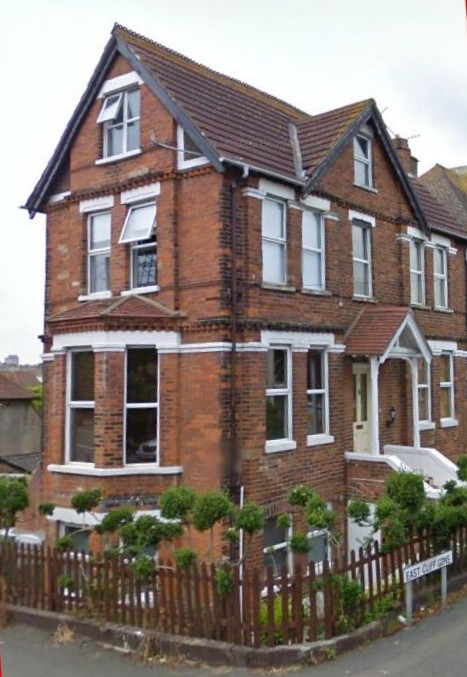
A modern photo of the Boy's Home, now a private residence.
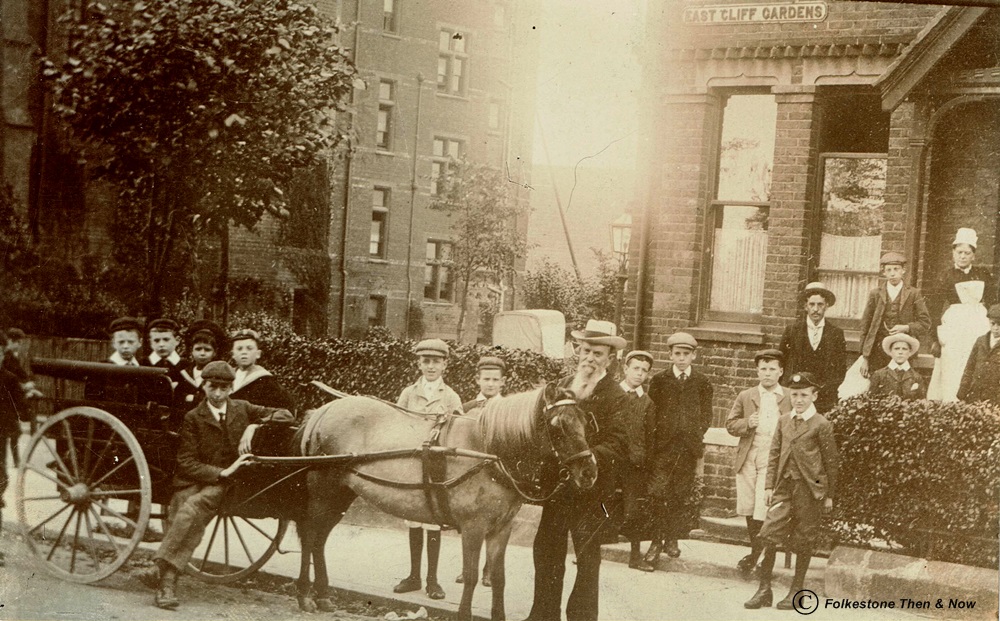
And here are some of the boys outside their Convalescent Home in East Cliff Gardens.
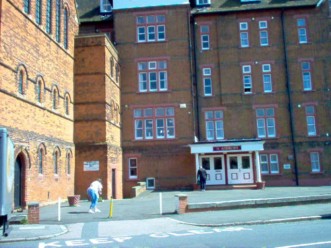
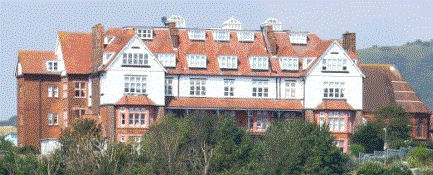
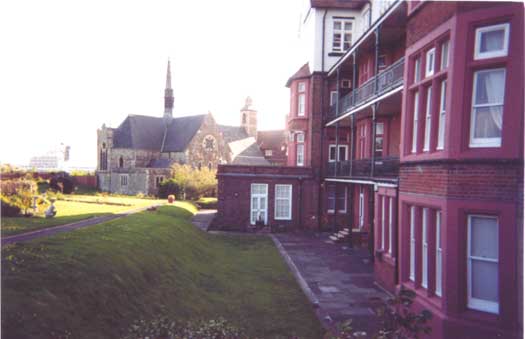
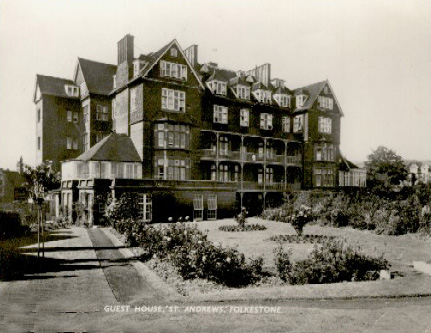
After the Convalescent Home closed, it became the St. Andrew's Guest House for a while. I am not sure of the dates that you could book your holiday there, but the above left photo was dated 1956. Eventually, as most large buildings end up in Folkestone, it was converted into private accommodation as in the other three above, and the lucky people who have the front facing windows, have a beautiful view right across the Channel to France.
Bruce-Porter Hospital Home
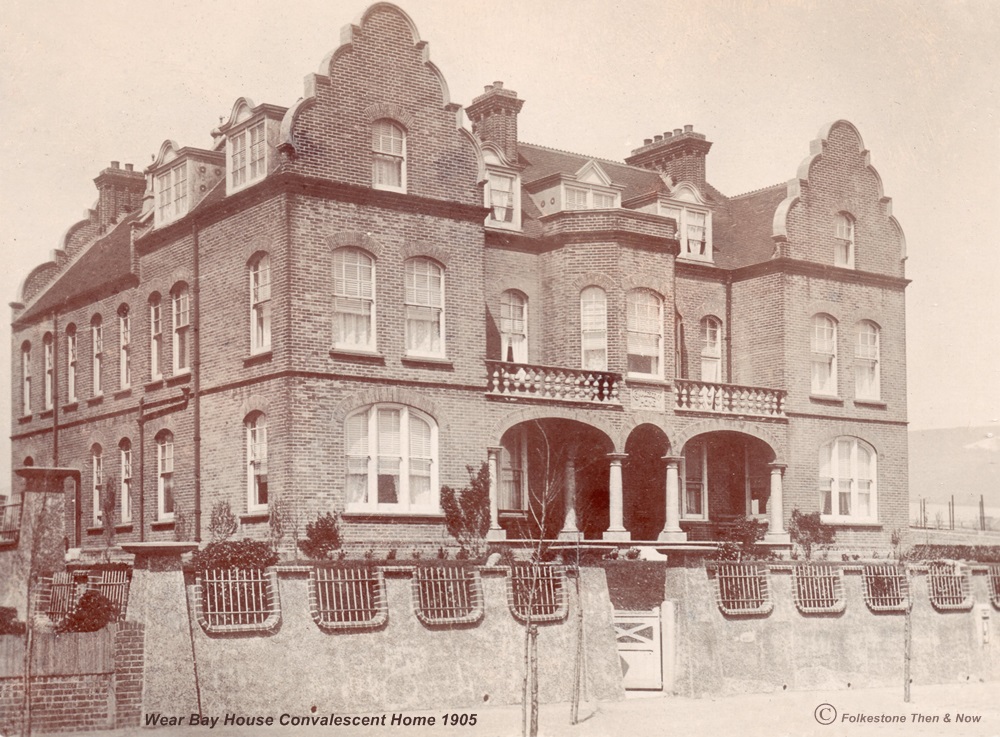
In 1920, Barnardo's took over the former Wear Bay House convalescent home at 9 to 11 Wear Bay Crescent, and re-opened it as the Bruce-Porter Hospital Home. The cost was largely funded through the generosity of the long-serving Honorary Treasurer of Barnardo's, Howard Williams (son of Sir George Williams, founder of the YMCA movement). Williams refused to have the home bear his own name but insisted that it instead adopt that of his friend, the eminent surgeon Sir (Harry Edwin) Bruce Bruce-Porter.
The establishment, which provided treatment for diseases of the joints and bones, could accommodate up to 50 children up to the age of fifteen.
During the Second World War, the home was evacuated first, in October 1939, to Dane Court in Dorset, then again, in September 1943 to Hollins Hall in West Yorkshire. After returning to its Folkestone premises, the Bruce Porter re-opened as a children's convalescent home in November, 1947.
On its closure in July 1966, the home's staff and children were moved to the Princess Margaret Home at Taunton in Somerset.
The Folkestone building has been demolished and a block of flats now occupies the site.
Thank you to childrenshomes.org.uk for this information
If you would like to know more about Dr. Thomas Barnardo, may I suggest you read this Wikipedia article on him as it is rather long, and quite an eye opener. For instance did you know he was taken to court 88 times charged with kidnapping children? He fully admitted to the charges but argued it was what he called "philanthropic abduction", and that the end justified the means. You can read more here: https://en.wikipedia.org/wiki/Barnardo%27s
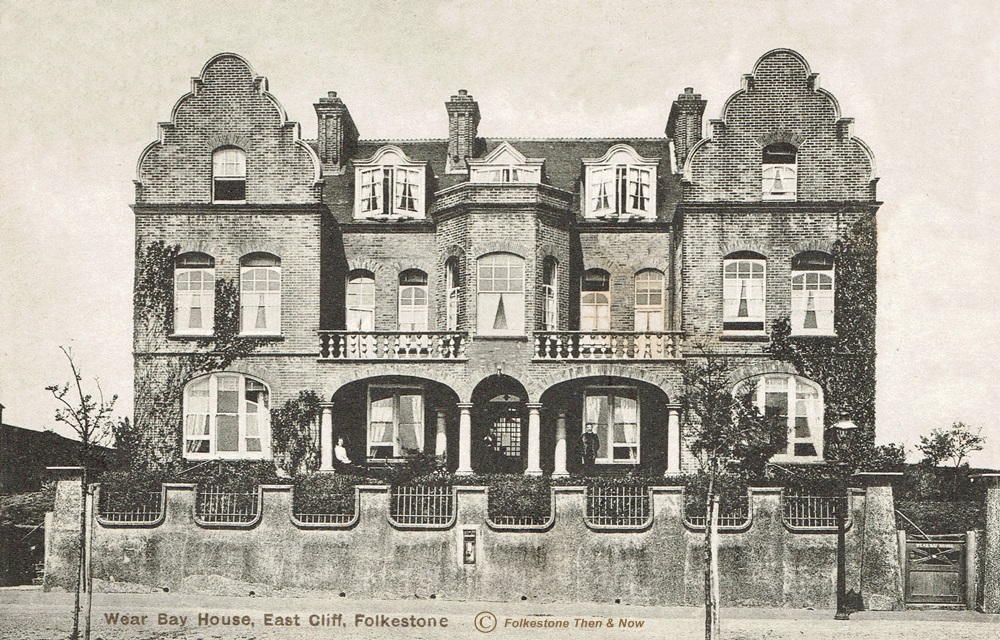
Staying up on the East Cliff, this was Wear Bay House, a convalescent home that I know very little about except that it was there in 1905 because I have a card dated that year, and was gone by 1920 when the building was taken over by the Bruce-Porter (Barnardo's) Hospital
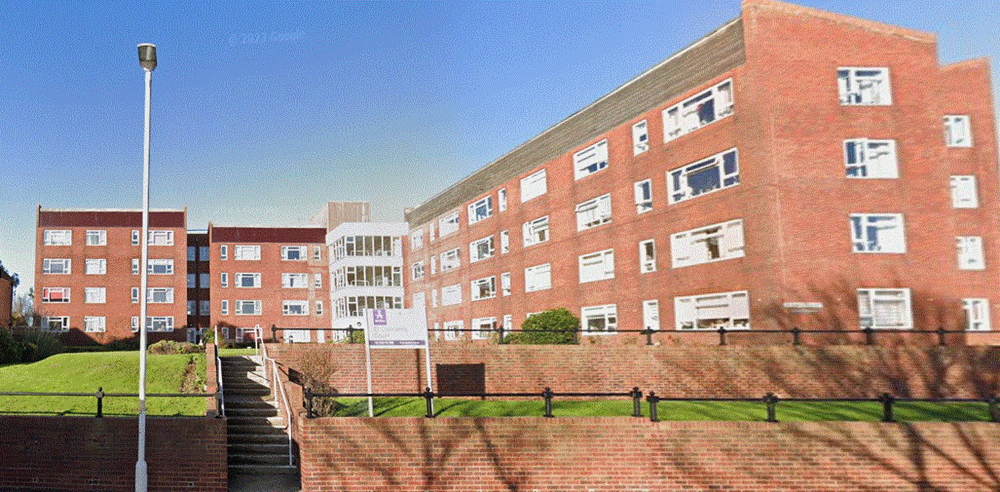
This is St. Clement's Court, the block of flats mentioned above that was built on the site of Wear Bay House, and the Bruce Porter (Barnardo's) Hospital.
1956
1911
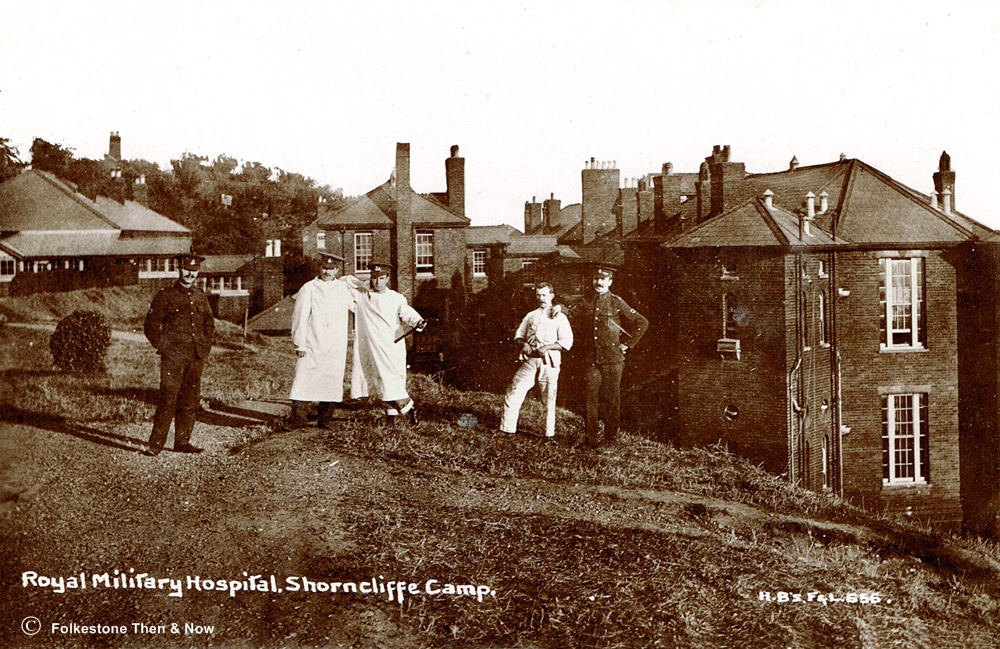
I have been having difficulty finding the complete history of the Royal Military Hospital, Shorncliffe Camp. I have read snippets from readers of different sites naming their relatives who were treated there, the oldest being 1795. Quite a few had Grandfathers who were put back together here during WW1. Another was from a Bernard Freeman who wrote: "At 8 years old myself and another boy were exploring on Folkestone hill and uncovered bottles of mustard gas buried. After breaking one and being exposed to the gas we were admitted to hospital for 18 months with mustard gas poisoning." However, he didn't seem to know for sure that he was in this hospital, he could have been in the Royal Victoria. Several people mentioned they were born at Shorncliffe in the 50's and 60's, some knew for sure it was in the Helena Hospital, that was a nearby maternity and treatment hospital built in 1909 for military families. I don't think the above hospital had a maternity department. My first husband was born in the Helena Hospital because his family were living in Risborough Lines due to his father being in the Royal West Kent Regiment. The Helena Hospital was demolished in 1970.
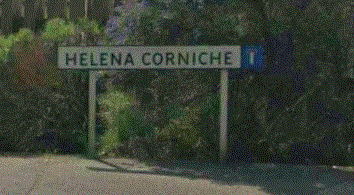
The Royal Military Hospital was also demolished in the early 1970's when they started building housing on the Camp. There is a little road leading off Hospital Hill now that is called Helena Corniche, so I am wondering if it used to be right there.
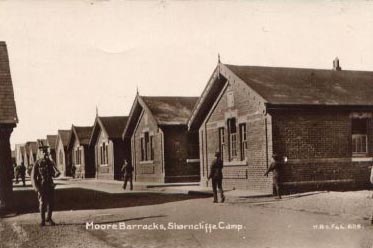
On the right is Moore Barracks that was converted to a hospital for Canadians during WW1
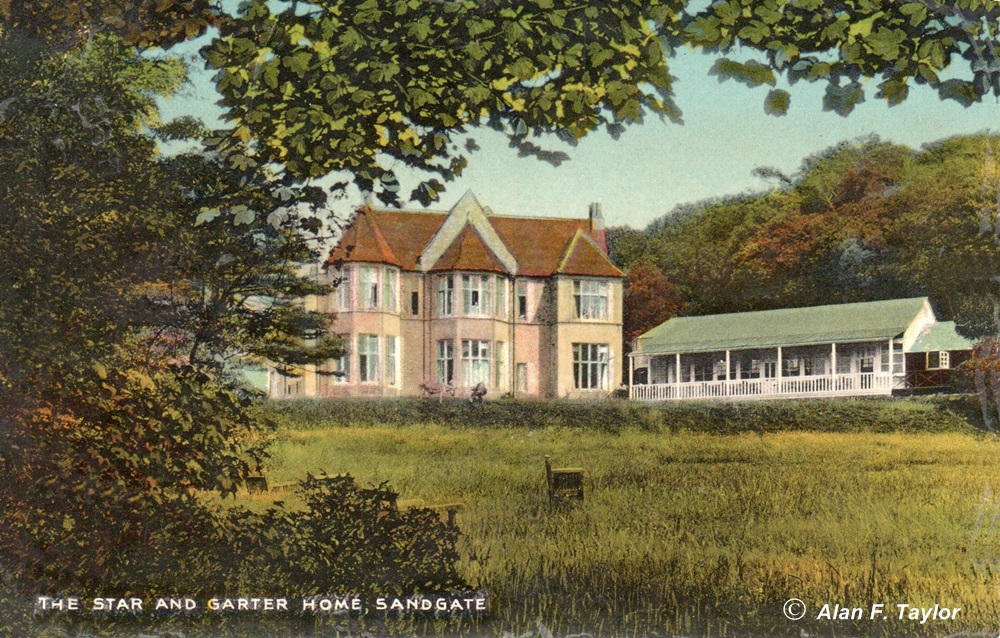
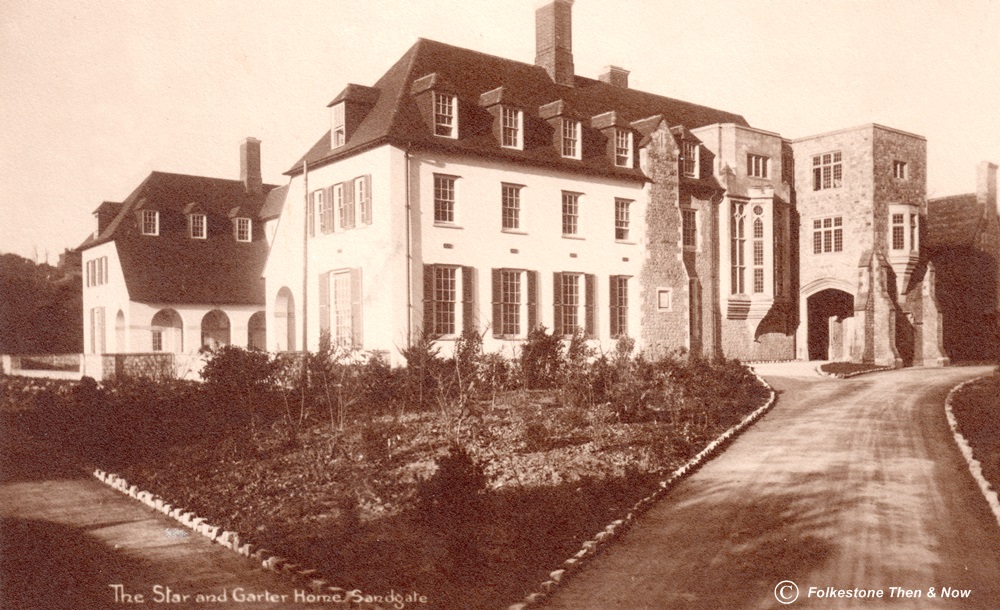
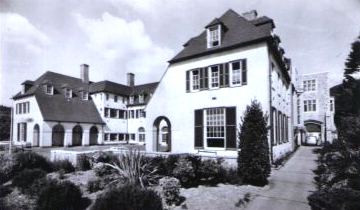
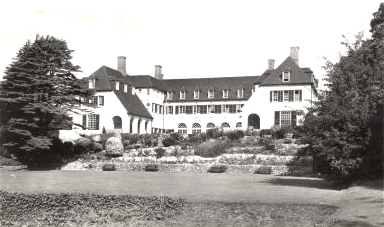
If the Star & Garter sounds more like the name of a pub to you, there is a good reason for that. In 1915, Queen Mary expressed concern for the future of the injured war veterans. She charged the British Red Cross Society with the task of finding a ‘permanent haven’ for them and bought the Star & Garter Hotel in Richmond. The Star & Garter Home opened its doors on 14 January 1916, to care for the severely disabled young men returning from the battlegrounds of the First World War. Within days of opening, the Home had reached capacity. The men were accommodated in the annexe of the old Star & Garter hotel. It was apparent that the hotel was unsuitable for use as a hospital and it was more cost-effective to tear it down and build a purpose-built Home. Sir Edwin Cooper R.A. was appointed architect and charged with creating a ‘beautiful building’ to accommodate 200 men.
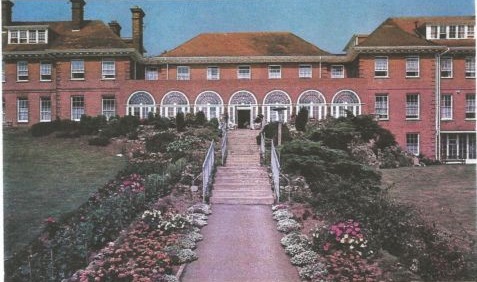
In July 1919, Enbrook House, near Sandgate, Kent, was bought as a respite home for the veterans. It became known as ‘The Seaside Branch’ and the residents from Richmond, now numbering 70, were moved there while the new Home was being built. The Sandgate Home was closed in 1940 due to threat of invasion. In summer 1924, Their Majesties King George V and Queen Mary paid their inaugural visit to the Home and, as Patron of the Home, Queen Mary received the deeds. The new Richmond Home welcomed residents back from Sandgate in October 1924. It was now officially known as the ‘Star & Garter Home for Disabled Sailors, Soldiers and Airmen’. I don't know exactly when the new building was erected in Sandgate, but it was obviously before 1928, so possibly all the Sandgate men were moved with the Richmond patients when they returned to their new building, while the new magnificent one was being erected on the same site as Enbrook/Chichester House.
While we are in the vicinity...
BEACH ROCKS and the ALFRED BEVAN MEMORIAL HOSPITAL, SANDGATE, KENT
The London Samaritan Society and Homerton Mission, founded by John James Jones, opened the Beach Rocks Sea-Side Convalescent Home on 25 June 1892 in a new, purpose-built building. this one called the Bevan Memorial Home, locally known as “ Beach Rocks,” and was among the largest and best appointed of this class of institution in England. This was begun on a very unpretentious scale by the purchase of an old but pleasantly situated residence on the sea front, called Beach Rocks, the name was transferred to the following stately building, which was opened in 1892 by Sir Edward and Lady Ingram Watkin. The north front was plain but it conveyed the idea of a solid and durable building, and from the main entrance a glimpse of the pleasant interior could be obtained. The view was very inviting, and the home was always open to inspection at reasonable hours. The porch was generally filled with flowers, and the hall was tastefully decorated and adorned with bright looking furniture, portraits and pictures. The dining hall was a splendid apartment, the plate glass windows of which looked out on to the Channel. It was well-furnished, and on the walls were some fine pictures. The walls of the corridors, which were all light and airy, were also hung with prints and pictures, and everything which was calculated to make one feel at home and comfortable.
In 1896 they took in disabled and sick children from London, and in 1900 they were completely full with casualties from the Boer War.
After that war was over, the building stood empty for a few years.
John James JONES was also the proprietor of the Grosvenor House Convalescent Home for consumptive patients on The Esplanade, Sandgate in 1903. Apparently he had many of these homes in Sandgate, called Jones Homes. This was not well accepted by those in the tourist business, as they were afraid having so many patients in Sandgate with TB, it would put people off from coming for their holidays.
Miss M.A. Mumford after nursing training in London at Guy's, Queen Charlotte's & Southampton Row, went to Sandgate in 1907 and worked for a time in district and maternity work, she later acquired her own nursing home at 6 &7 Devonshire Terrace.
On the eve of the first World War being declared, she gave up her own nursing home in order to take over the now Government acquired Bevan Home which had been standing empty for some time. With the help of many volunteers, she quickly repaired and converted it into a hospital for the casualties of the upcoming WW1. She was given the title of Commandant.
They had it ready to receive the first casualties within six months, and the Bevan Military Hospital became an annex of the Shorncliffe Military Hospital up on the camp. First patient arrived in 1914. A total of 1552 operations were performed during that war, all of which Miss Mumford attended in person. In 1919 After the war, Miss Mumford stayed in the Bevan and carried it on as a private nursing home.
She died in 1938 and was buried in St. Martin's Church, Cheriton. Flags in Sandgate were lowered on the day she died.
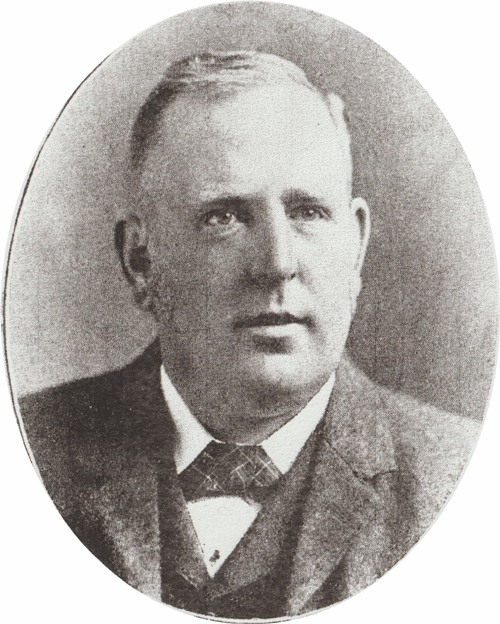
John James Jones
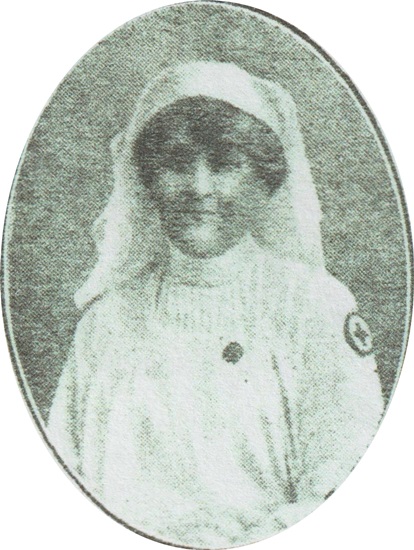
Sister M.A. Mumford, Commandant
This was taken during WW1 when the Bevan Hospital was nursing some Canadian servicemen.
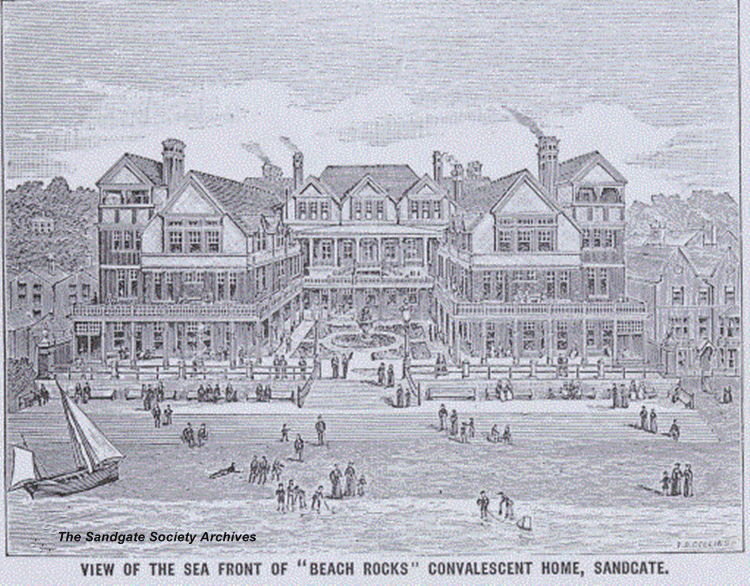
A very nice drawing of the Bevan Memorial "Beach Rocks" Convalescent Home from the sea, with many thanks to the Sandgate Society Archive for allowing us to see a few from their collection
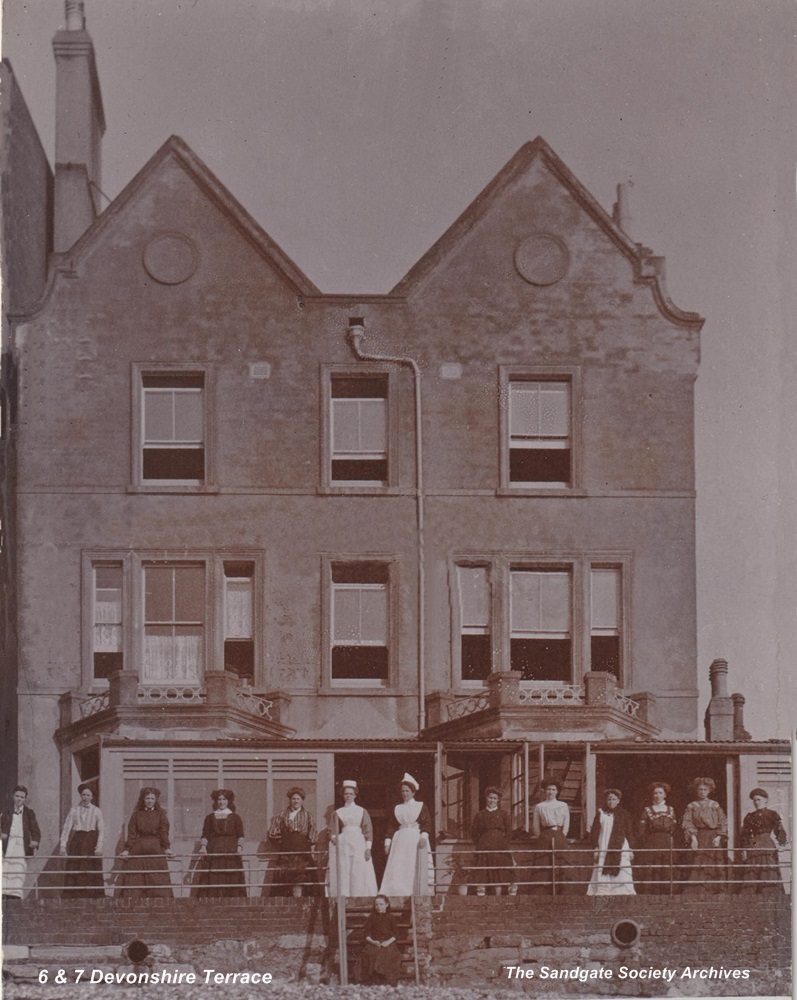
6 & 7 Devonshire Terrace Convalescent Home, owned by Sister M. A. Mumford
Still in Sandgate, this next one has given a lot of people quite a headache, including me - but mainly caused by me! I have been trying to research the history of The Star & Garter Home for injured military men, and getting it all straight has been a bit of a nightmare. Anyway, I will do my best to sort out all the conflicting information I have read and been told, and hopefully this is near the truth. If you know different, please get in touch, and I promise I will certainly give your version careful consideration.
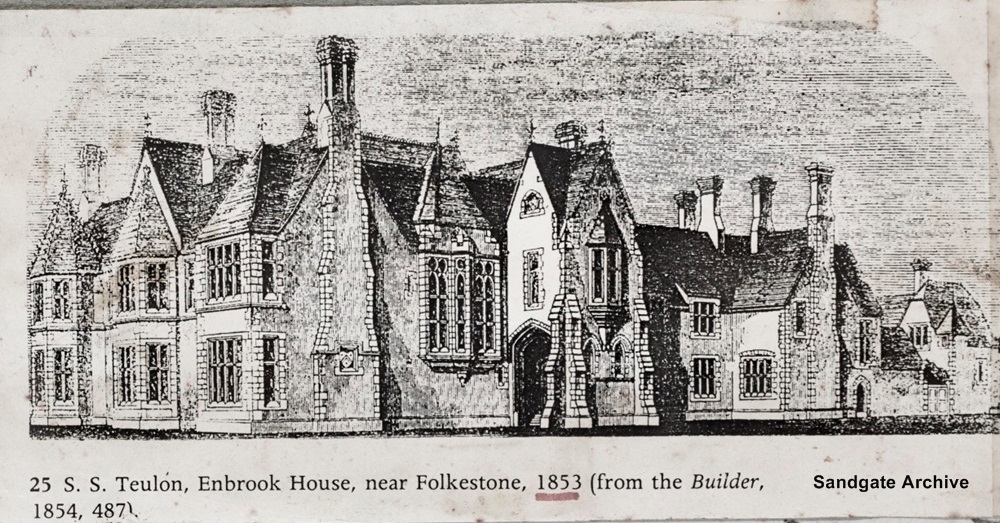
In the early 1800's, when Sandgate was becoming fashionable, the fourth Earl of Darnley bought a small holiday retreat here called Belle Vue. In 1852 this was replaced by Enbrook House (drawing above). Lord Darnley's granddaughter, the Countess of Chichester, wife of the fourth Earl of Chichester, inherited the property, which became known as Chichester House. She died in 1911 and in 1919 the property was sold as a 'Star and Garter' convalescent home for soldiers wounded in the 1914-1918 war.
It soon became obvious from the amount of wounded that kept coming , the house was inadequate for their needs, and it was demolished, and another more suitable building was erected. The Star and Garter remained in that location until 1940, and due to fear of invasion, all the staff and patients were moved to Richmond, the home of the original Star & Garter.
The building was later leased to the Home Office, first as a fire service training college and later as a police training centre, Then it suffered a mysterious fire in 1978, and permission was granted to demolish it in 1996 in order to build the headquarters of Saga, the travel organisation. Remaining in the grounds is an ice house used for preserving food in the days before refrigerators, which is nice that something remains of its original history.
from the collection of The Sandgate Society Archive.
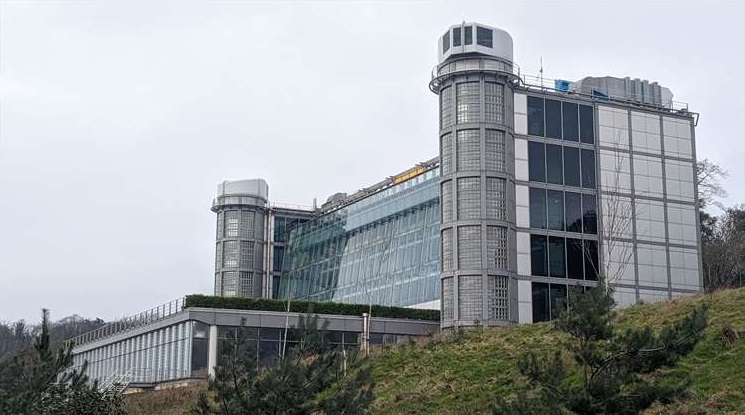
Saga Building, Travel company now gone from here - what is next? The talk is that it will probably be turned into housing, no surprise there then.
Above is a modern photo of a little house in Sandgate High Street. The plaque on the wall says Star & Garter Richmond, underneath it says Sandgate Branch, and under that it says Home for disabled Soldiers, the rest is hard to read, but probably says Sailors & Airmen. The Team at Sandgate Archive tell me the house acted as a Gatehouse when the entrance to Enbrook Park used to be right there. But I still suspect it was originally The Star & Garter Lodge, next to the Exit of the Home. The entrance to the park was moved when Saga moved in.
This photo was sent to me by Alan Taylor, labeled as the Star & Garter Home, it was obviously their first premises in Sandgate. At this point, I would like to sincerely thank the Sandgate Society Archive and Christopher Phillips, because the 1928 Directory I have led me to believe they had another premises on Sandgate Hill, but I believe we have it all figured out now. There was only one Star & Garter home in Sandgate, but it had two entrances, 'In' on Sandgate Hill and 'Out' beside the Star & Garter Lodge in the High Street. See the two photographs below of the 'In' entrance.
This was the Helena Hospital on opening day in July 1909
With grateful thanks to the Sandgate Society Archive for allowing us to see these rare photographs!
Now I don't usually go this far outside Folkestone, but I was so impressed with this one, that I had to include it. I am impressed because it was a care home in Victorian times, and it is still a care home today - in the same building no less! It has been carefully renovated and adapted to today's care needs, but I am very impressed that they have preserved this wonderful piece of architecture.
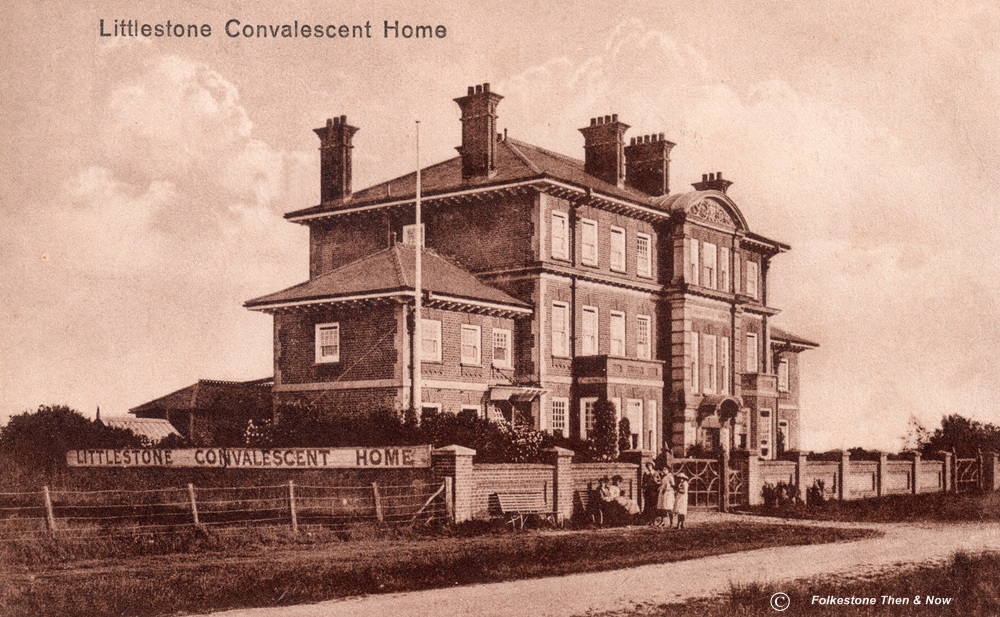
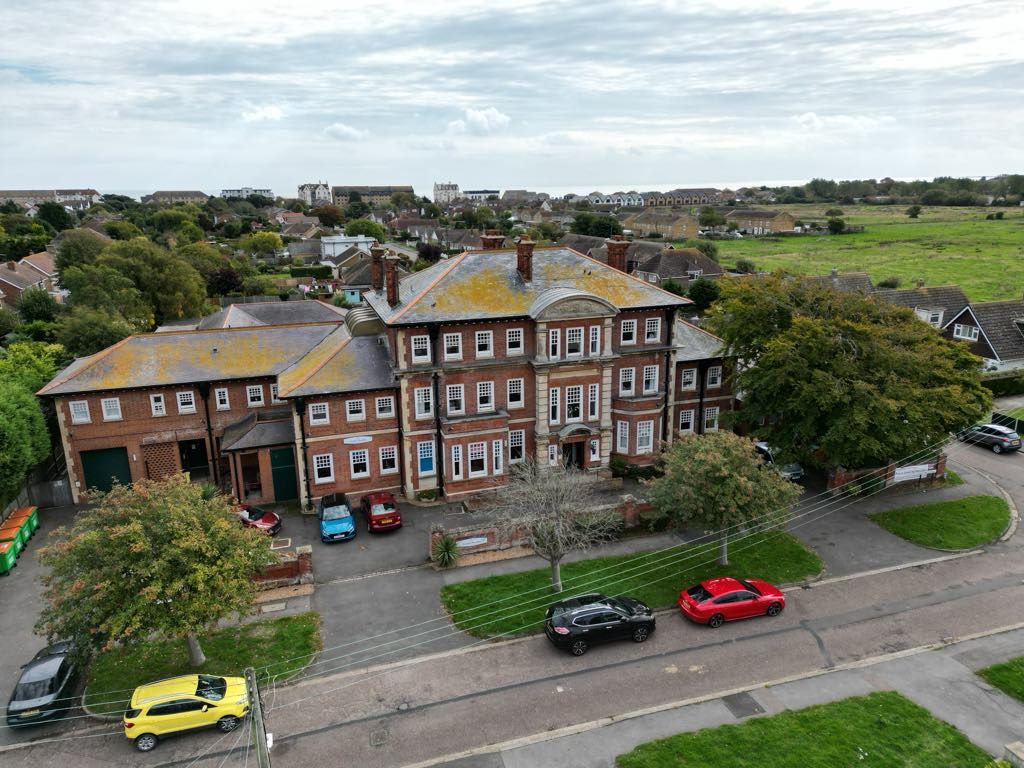
The Littlestone Convalescent Home in the photo above left dates from 1921, but I believe the home, which was considerably smaller to start with was built in the late 1800's, and this amazing edifice was erected around 1901. It became the Creedy Home in 1956, when it was reopened as a home for retired civil servants. It now specializes in Dementia and Alzheimer's Care, but also have the facilites for other types of illnesses. If you would like to read more about their services and feedback check out this page: https://www.carehome.co.uk/carehome.cfm/searchazref/20001050CREA
I lived in Littlestone for a few years as a child, and loved it there. We kids practically lived on the beach during the summer. Plus there is a Romney Hythe & Dymchurch little railway station there, where you can travel all over the Romney Marsh to Dungeness, Dymchurch, Hythe and everywhere in between. Looking at it now though, Littlestone is not as little as it was when I was a child. A lot more streets and buildings, and this is not the only care home in the vicinity either.
NOW BACK TO FOLKESTONE
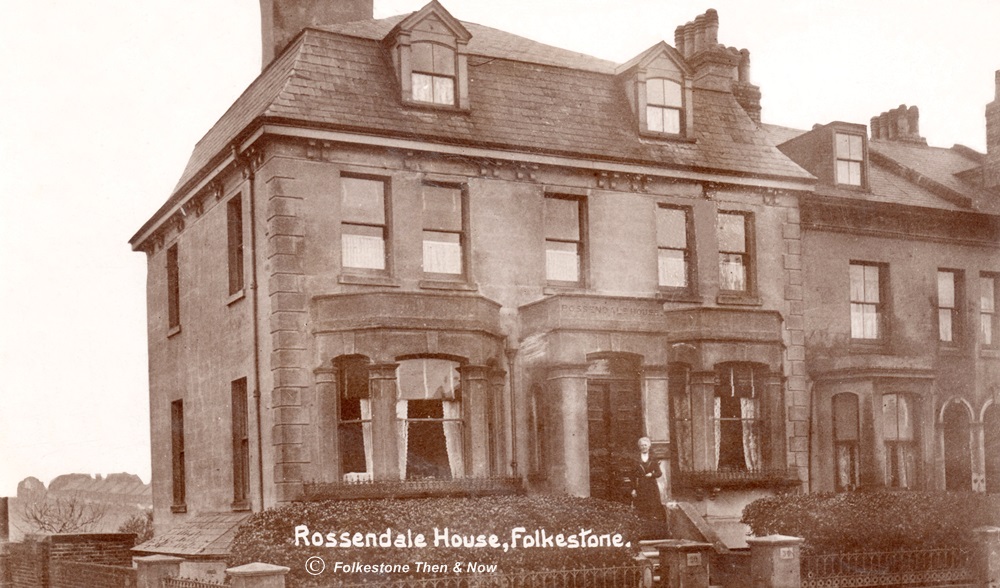
This was Rossendale House Convalescent Home in Folly Road. I have been trying to figure out exactly where it was located, because as you may know, a big part of Folly Road went under the wrecking ball quite a few years ago. This card was dated 1911 and my directory for that year lists Folly Road as follows: From Dover Road to Warren Road, on the left the houses are numbered 1 to 15. Right side houses numbered 2 to 30 and here is Morrison Road. Then we have Edward Terrace numbered 1 to 14, and here is the Tram Road. As the Convalescent Home is called Rossendale House, I am guessing that Folly Road used to end up in Rossendale Gardens, and this house was on the corner. I stand to be corrected though.
The card above was sent by a child to his mother in Reading, Berkshire. He says "Dear Mother, Just a line in answer to your letter. I won't forget to write to Maggie. This is a photo of the home with the matron at the door. My legs are much better. After cleaning about 100 knives, we go down to the beach or on the cliffs. From your affectionate son Albert." So Matron got paid, and put the children to work as well! Pretty crafty! Ha ha.
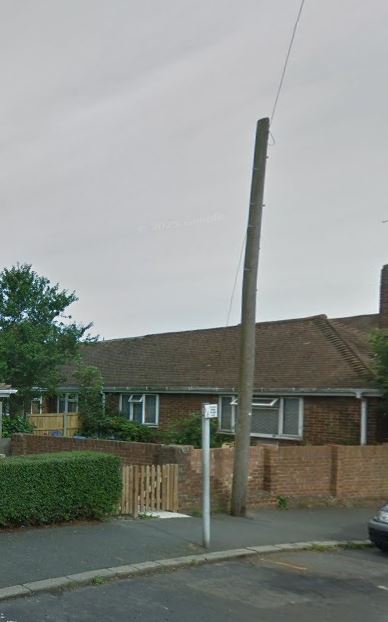
Maybe it was around here?
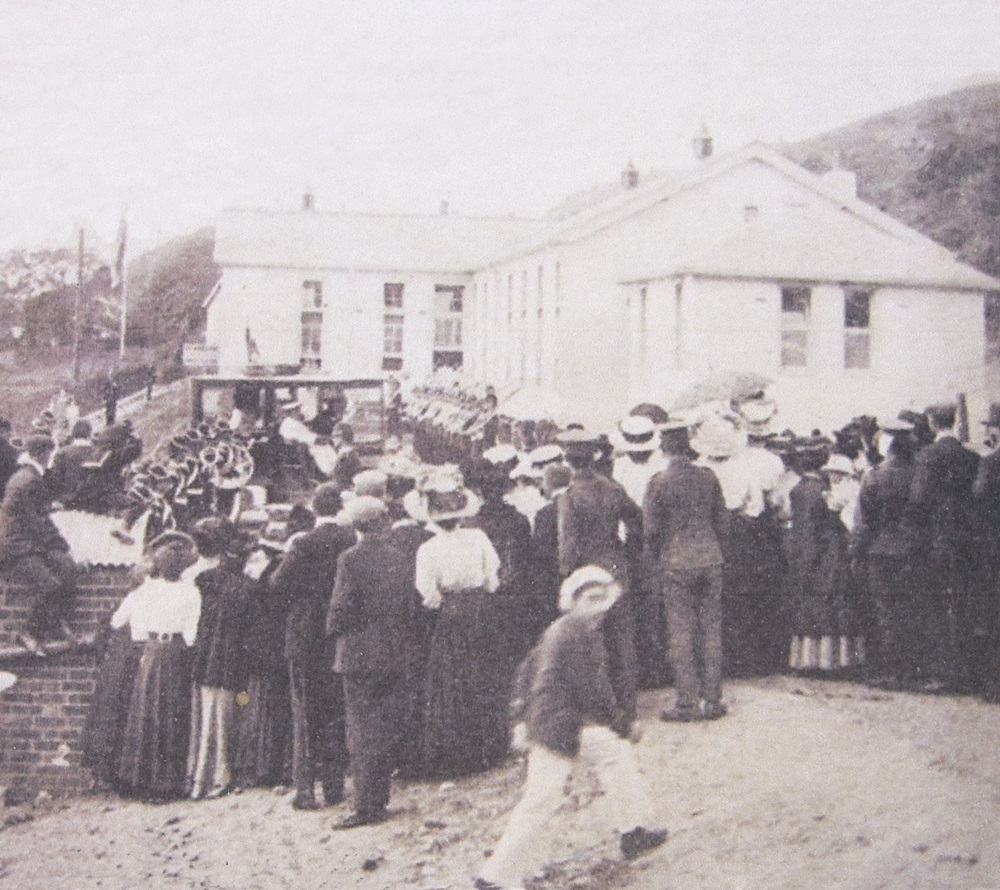
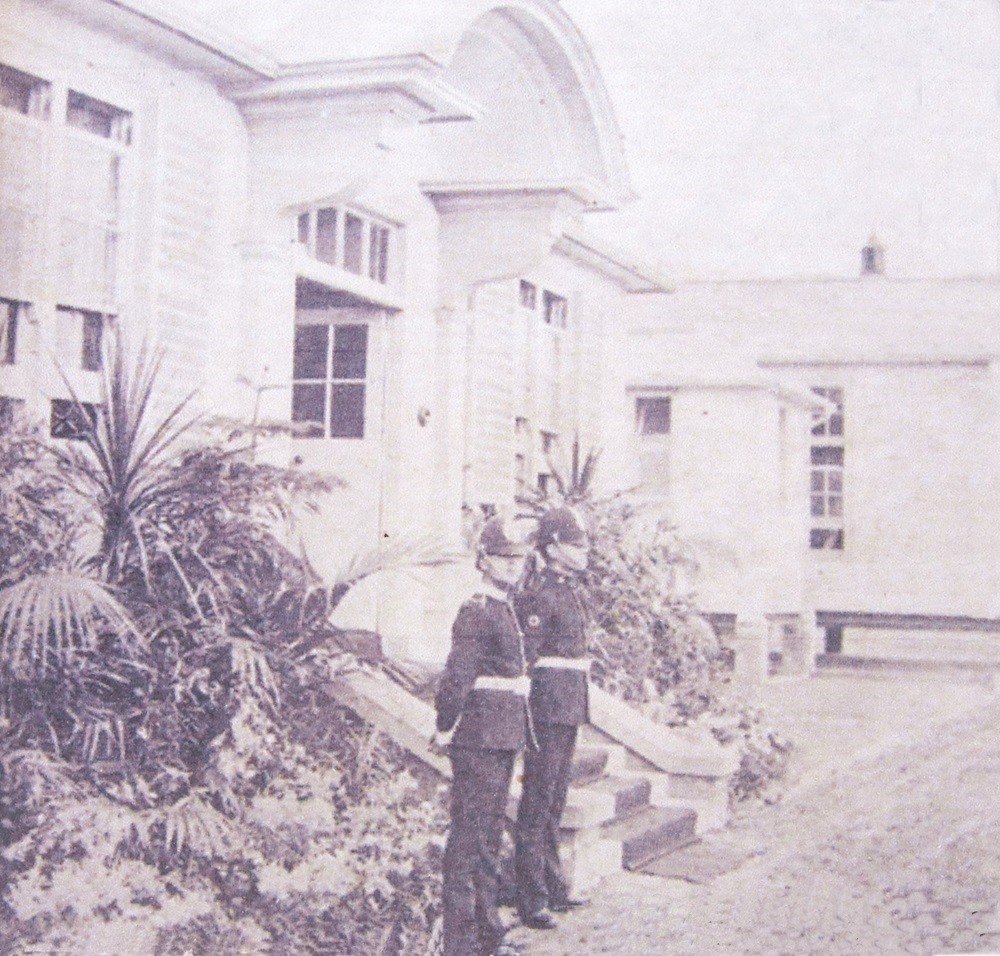
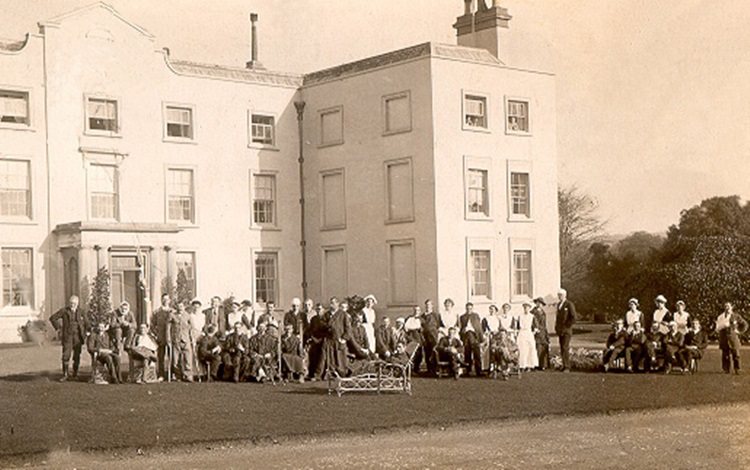
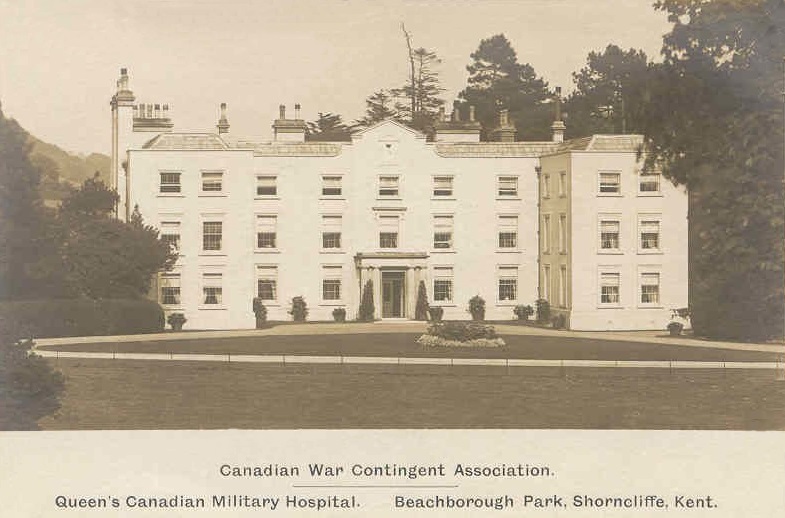
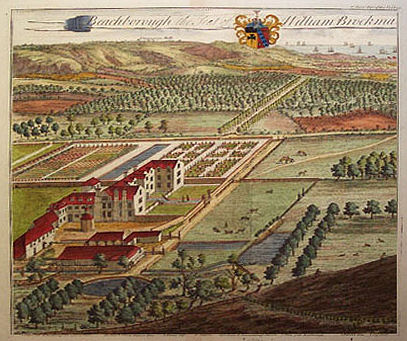
Beachborough Manor is a manor in Beachborough, near Folkestone. It was developed into a small landed estate, generally known as Beachborough Park, at the heart of which was Beachborough House.
The estate passed through several generations of the English Brockman family. The first of whom was Henry Brockman, who - around 1500 - bought the adjoining lands of Beachborough Manor, Newington Manor and Cheriton Manor, a little to the north-west of Folkestone. Cheriton has since been swallowed up, to become a part of the town, Newington is effectively the Eurotunnel terminus and only Beachborough remains, a rural idyll in a rapidly industrialising district, to give a largely-undisturbed insight into the early history of the estate.
At the time of WW1 it was owned by Lord & Lady Markham, who kindly gave it over to serve as the Queen's Canadian Military Hospital for wounded military men.
Like many buildings in the UK, it found use in World War II by the Allies, as an American hospital. It later became Stowe College and served in that capacity for several years. Prime Minister David Lloyd George lived there in the early 20th century.
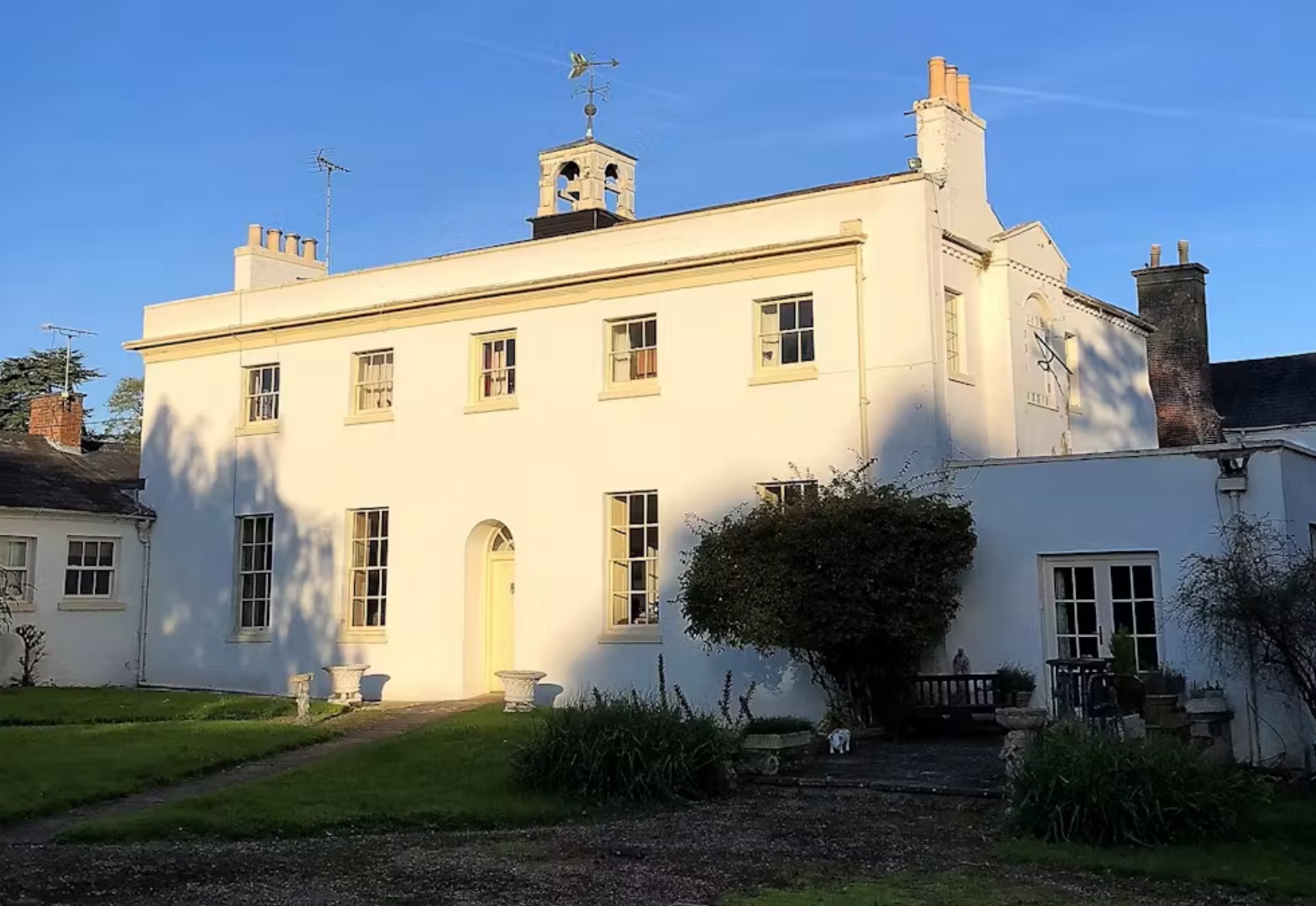
The current house, which is a much smaller version of the original mansion due to a devastating fire in 1965, dates from 1813 and is now owned by the Wallis family.
The two above show the building as the Queen's Canadian Military Hospital during WW1, and the images below show it now as a Bed & Breakfast. Some of the land was used by the military for training purposes, not sure if it still is now Shorncliffe Camp has gone. But there is still a lovely walking trail in the forest in Beachborough Park , through which It is possible to take a walk through via Google Street View, which I did - it's absolutely wonderful, and so easy on the feet to do it that way! LOL
Peter White very kindly offered to take a run out to Beachborough Park for me to get some photos of the house now. Rob Wallis, whose father Gordon originally bought the estate, and who sadly died last year, was happy to talk to Peter about the house, and allowed him to take some photos. Peter said he also showed him some wonderful old photos, including one of a WW1 ambulance with the name Beachborough Park on the side. How I would love to see those! The estate now has a well-developed wildlife centre, an equestrian centre and a bed and breakfast (B&B).
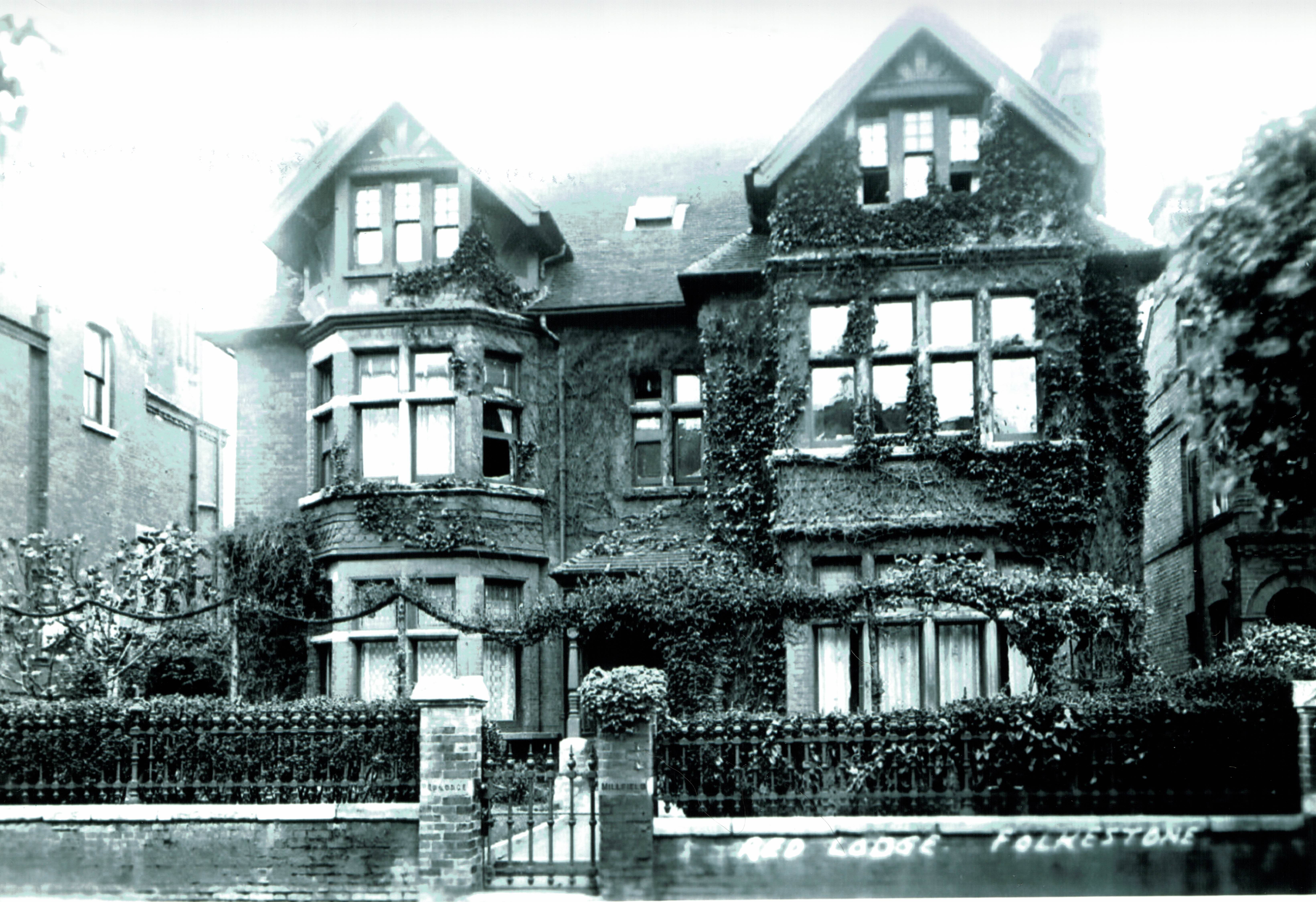
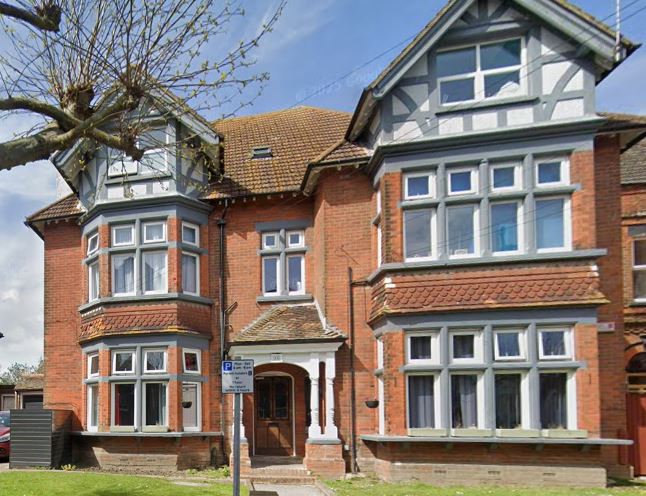
The Red Lodge Care Home, located at 10 Millfield Folkestone, was operating for quite a few years, in fact Google is still advertising it, but it no longer looks to be in business, but if you know it is, please let me know.
This is all the health care facilities that I have photographs of then and now, but I know there were hundreds more at one time. If you can help with any of them, please drop me a line.
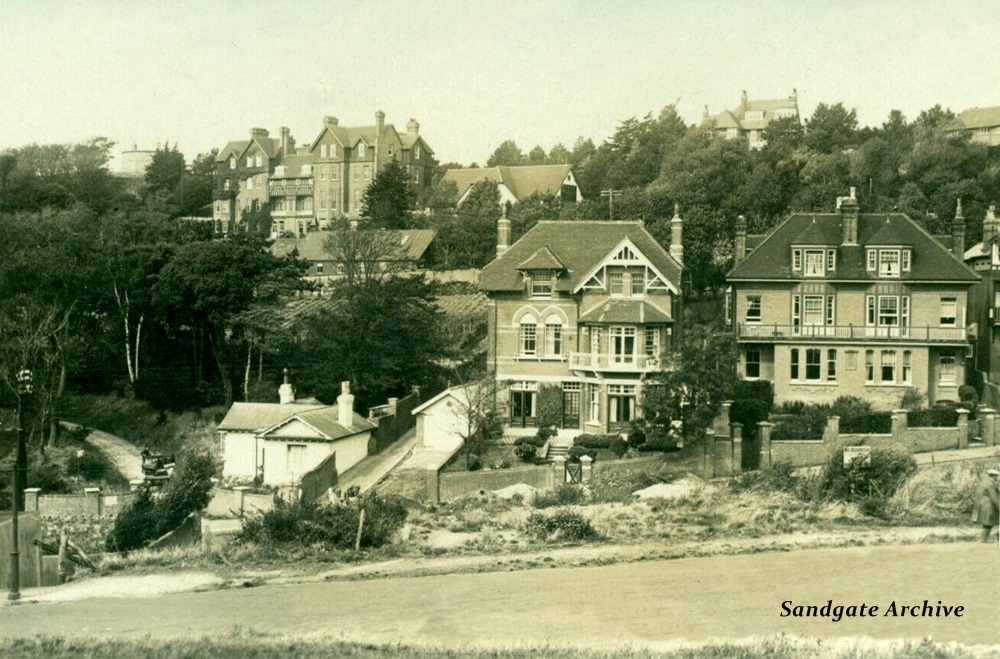
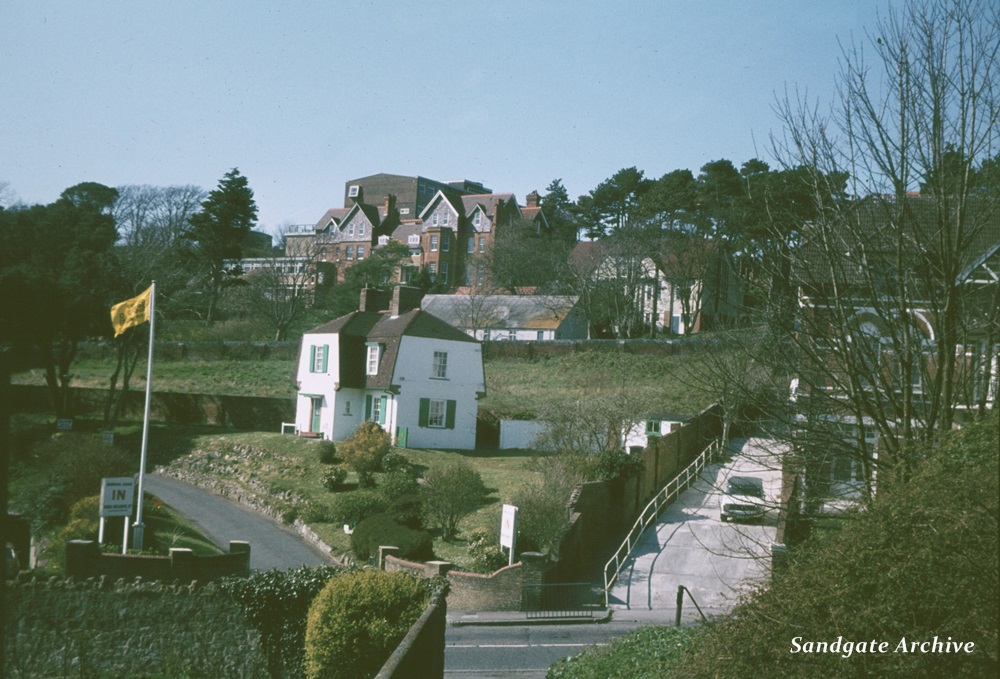
I don't have dates, but suspect the top photo of the above two is the older. The entrance to the Star & Garter is bottom left, with Enbrook Lodge beside it and then a footpath as mentioned in my 1928 directory. The large building in the background is St. Stephen's College, formerly Pelham House Prep School for boys. In the later photo directly above, the Lodge has gone, and I am not sure if a bigger one was built, or the building you see is in fact Cairo House, again mentioned in the 1928 directory - now demolished.
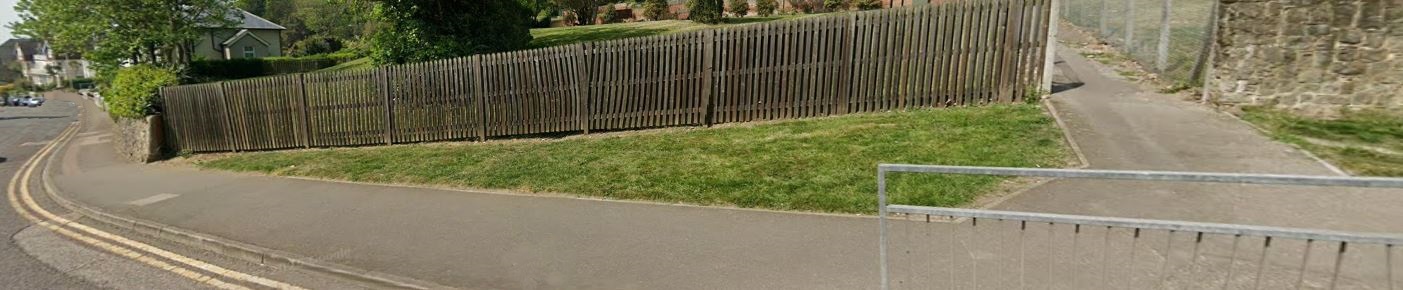
This is a 2025 Google shot of where the entrance to the Star & Garter was, with the footpath alongside. It leads into Coolinge Lane, and the latter is a much quicker way to get there these days if you have a car, but it made sense back then for people needing to get there on foot to cut off a big chunk of the journey.
.JPG)
.JPG)
.JPG)
The photograph on the right really brings it home how much was lost in the fire. I am assuming the balustrades in the centre are the original front entrance, and the large chimney on the right used to be completely inside the building. So sad, but I am sure the part they have turned into a B & B is still beautiful inside.
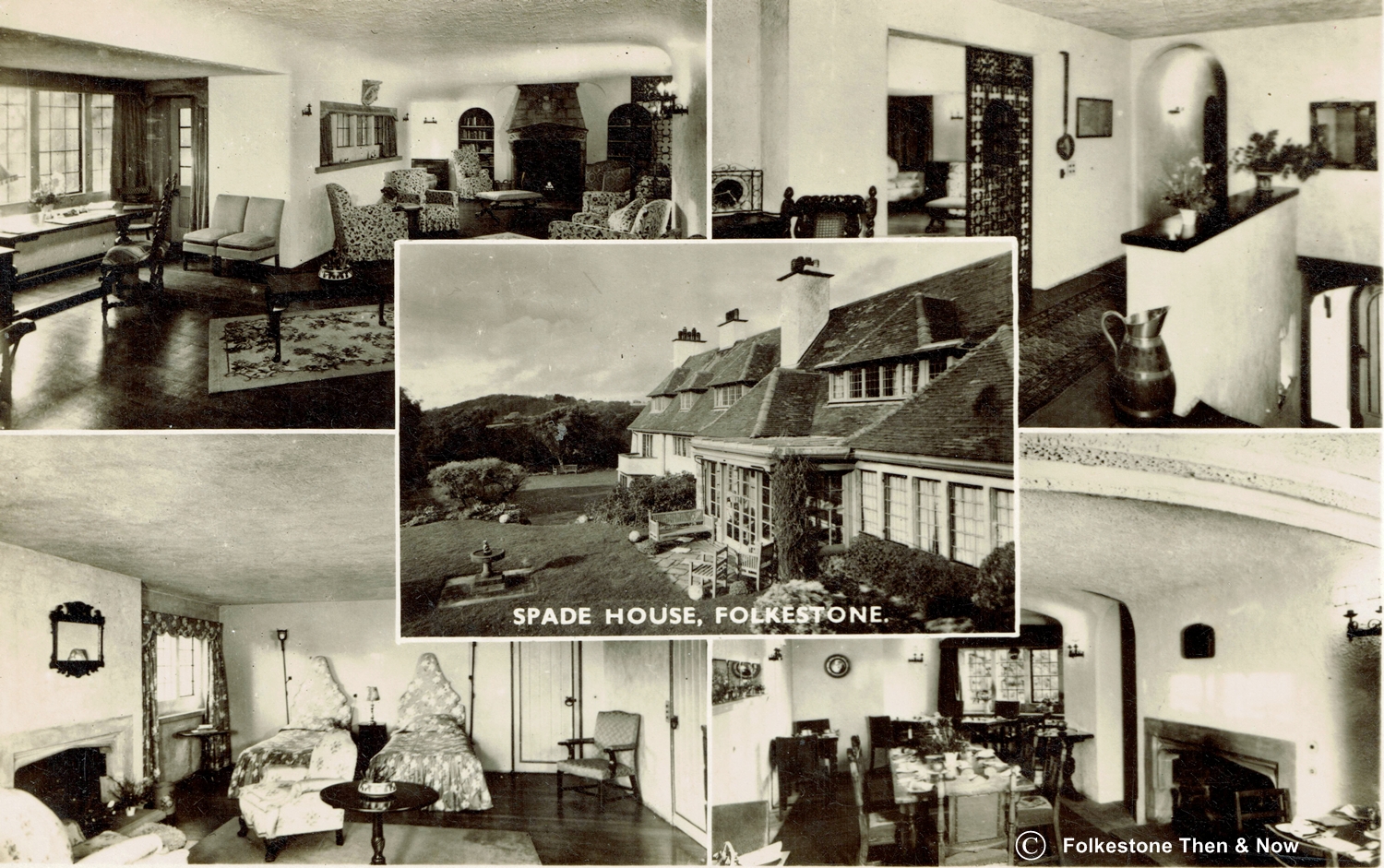
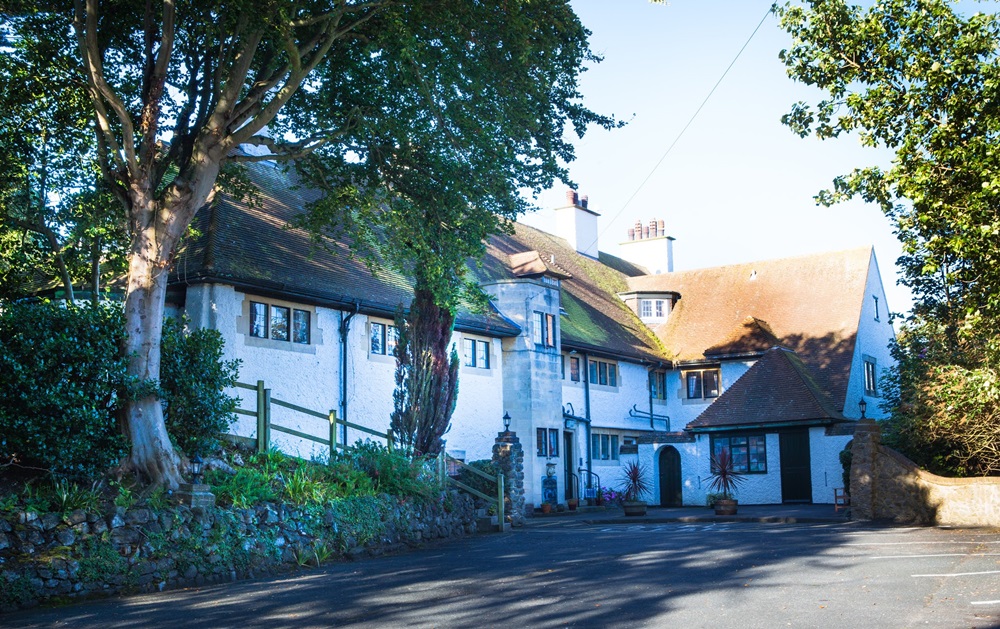
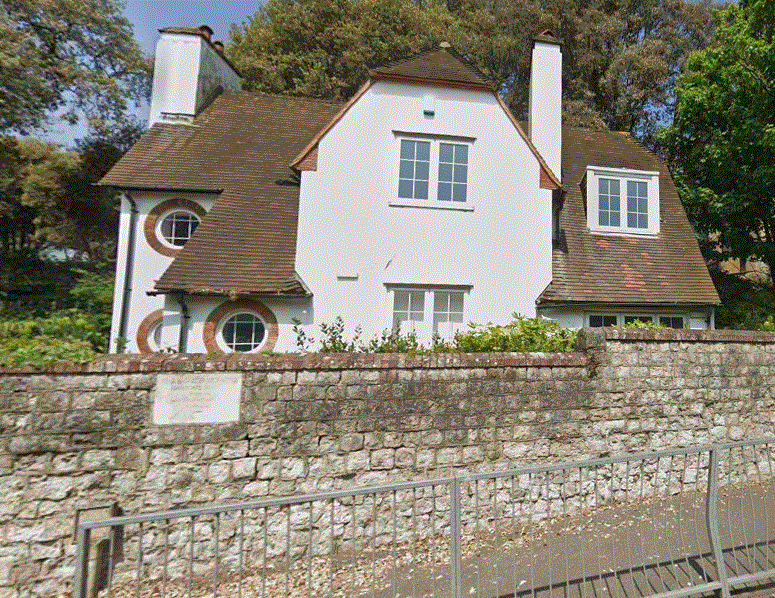
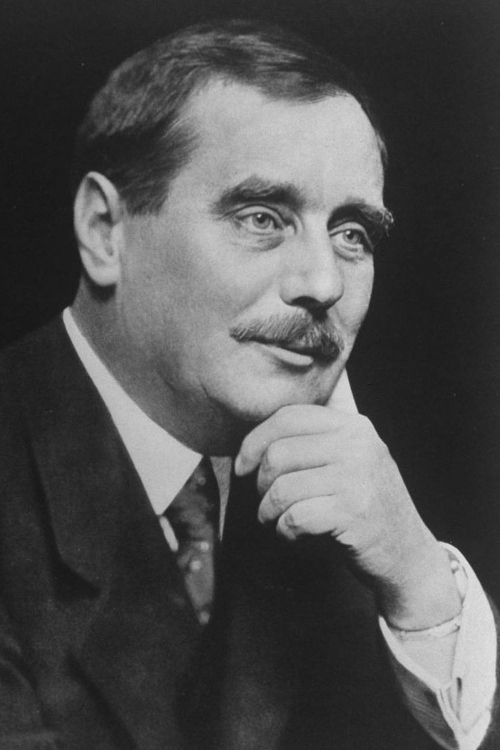
We can't leave Sandgate without a visit to the former home of Science Fiction author H. G. Wells, for whom it was built. He lived with his wife at Spade House, Radnor Cliff Crescent from 1901 - 1909. It is a Grade 11 listed building, and was at one time used as a vegetarian hotel. Now it is the Wells Care Home, set back from the road, so difficult to see, which is perfect for a care home.
Page updated 16 Oct. 2025
1928
These two photographs were taken when the building was being used by the No. 6 Police Training College

Dr. William Harvey, 1578-1657 Folkestone's most famous resident. Affiliated with St. Bartholomew's Hospital in London, he discovered the way the blood circulates around the body. Well respected in medical circles, and royalty alike.
Public Domain, https://en.wikipedia.org/w/index.php?curid=3661841
By National Gallery Victoria, permission
By National Gallery Victoria, permission

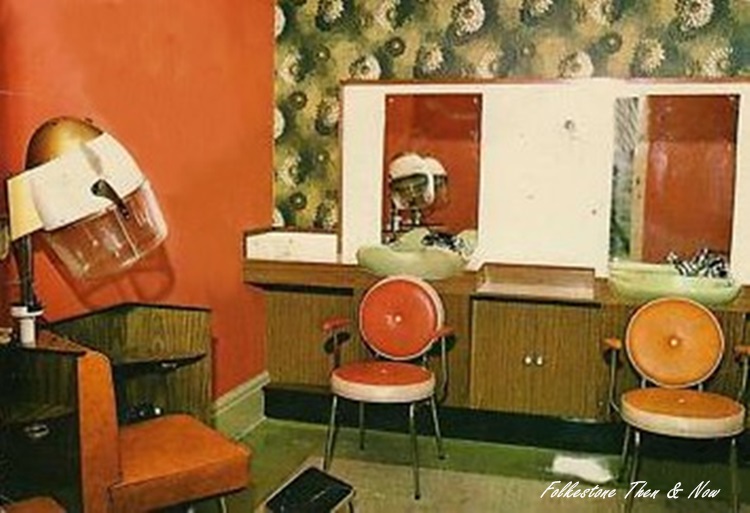
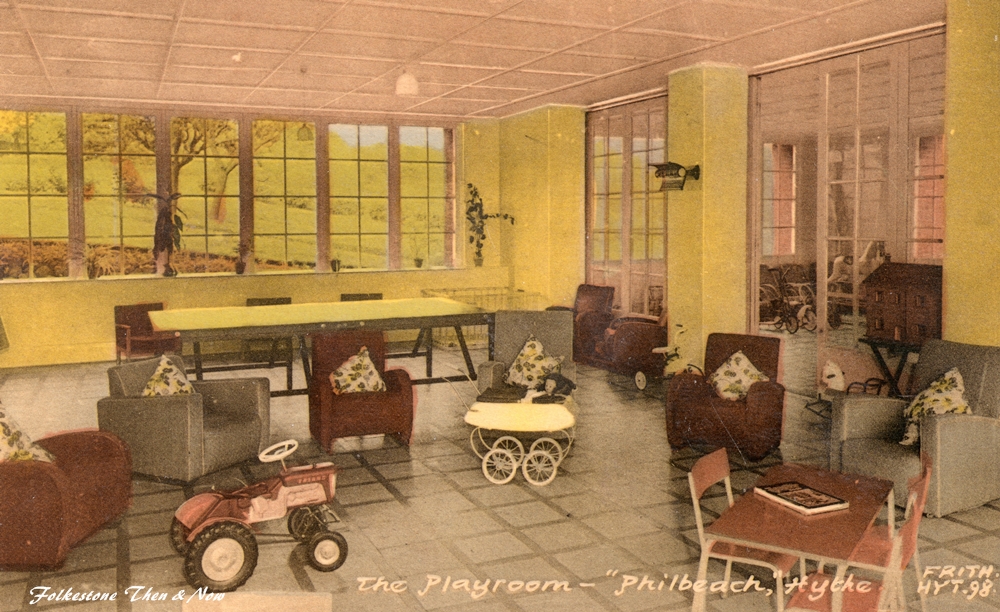
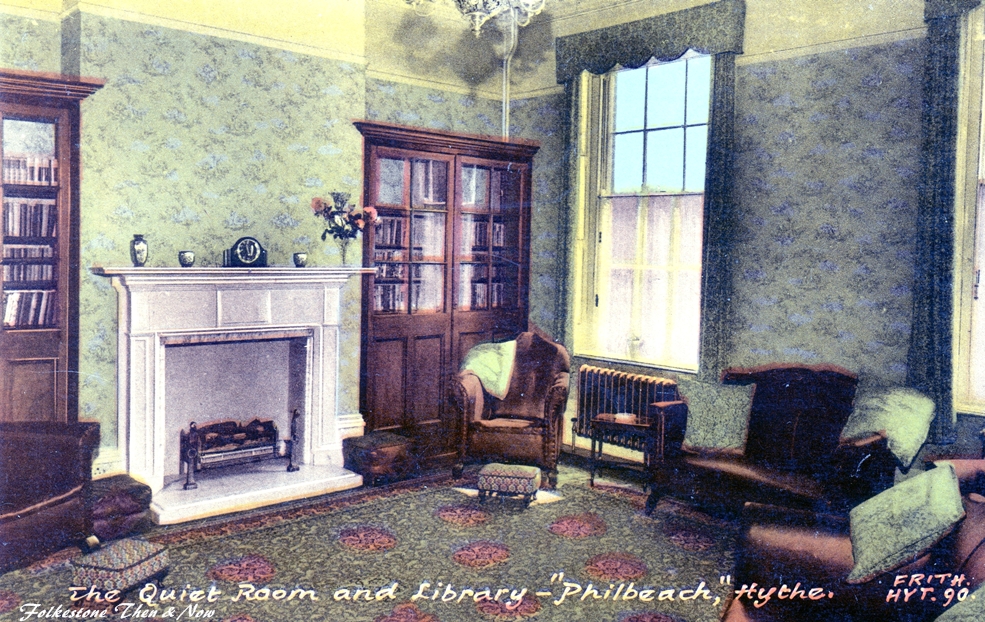
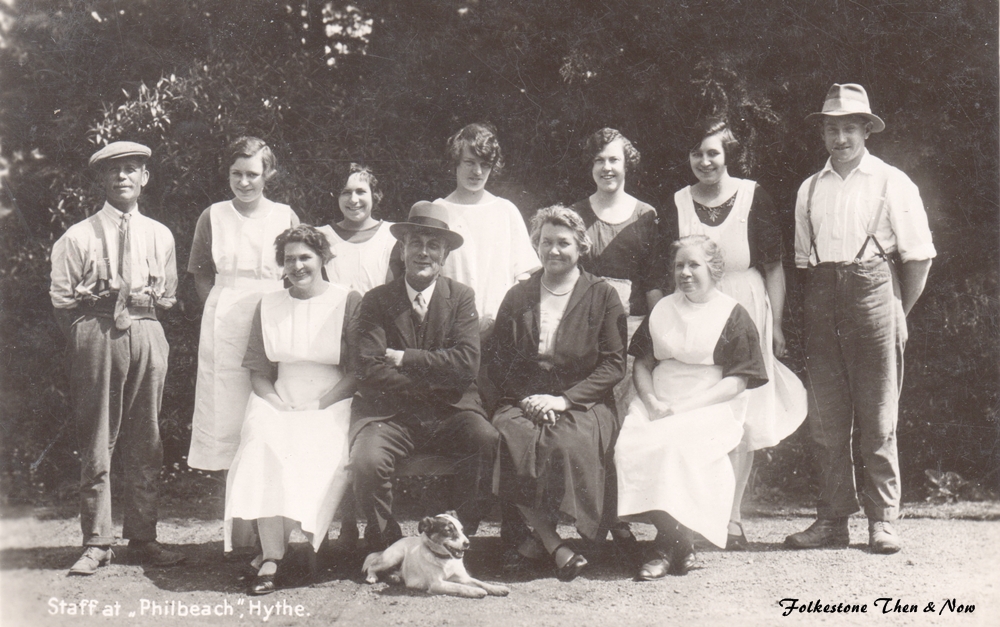
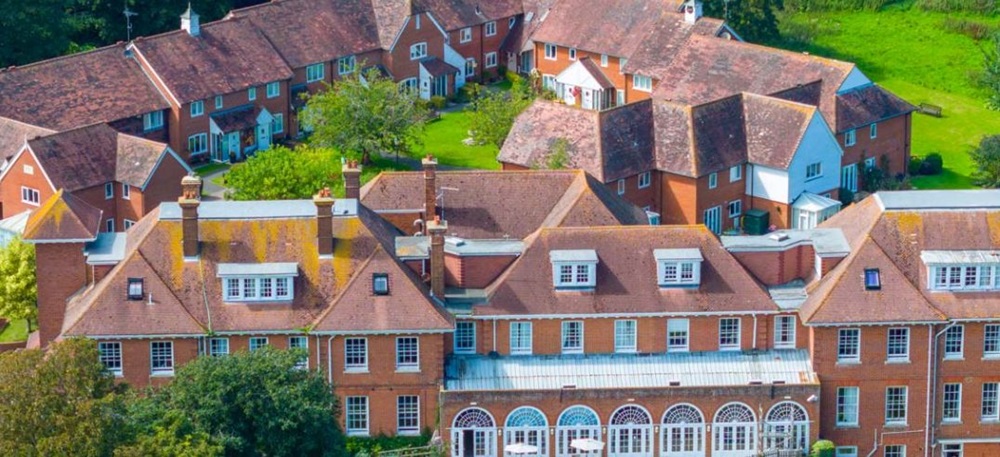
The above five photos are of the Philbeach Nursing Home, Hythe. I know very little of its history, but the photo on the left shows that staff that used to be there. The building is the same today (above), but I suspect it has expanded somewhat. It is still a care home, but now goes under the name of Saltwood Care Centre, an Integrum Care Group. The grounds certainly look as beautiful as they ever did. They are located on Tanners Hill in Hythe.
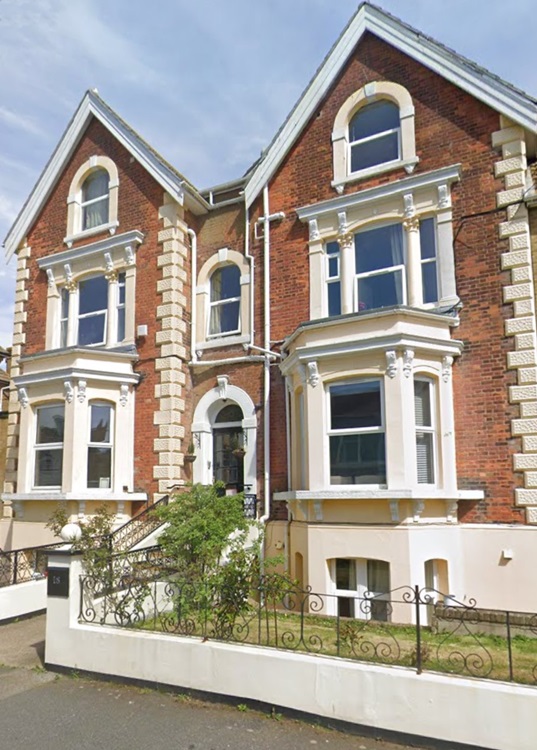
Unfortunately I don't have an old photograph of this one. It is Tudor Lodge Care Home, 18-20 Manor Road. I haven't seen it yet, but they asked me if I would help with some old photos of Folkestone to put on a wall for the residents to enjoy. I was happy to oblige, I am sure they will like looking back to the good old days of their youth, or see how it was when their parents lived in Folkestone.