

I have lumped these two together because they were located near each other, and at one time, were both the biggest attractions in Folkestone. Many photographs have been taken of them, and of course, they didn't change a lot over the years they were there, so hope you don't get bored with the pictures.
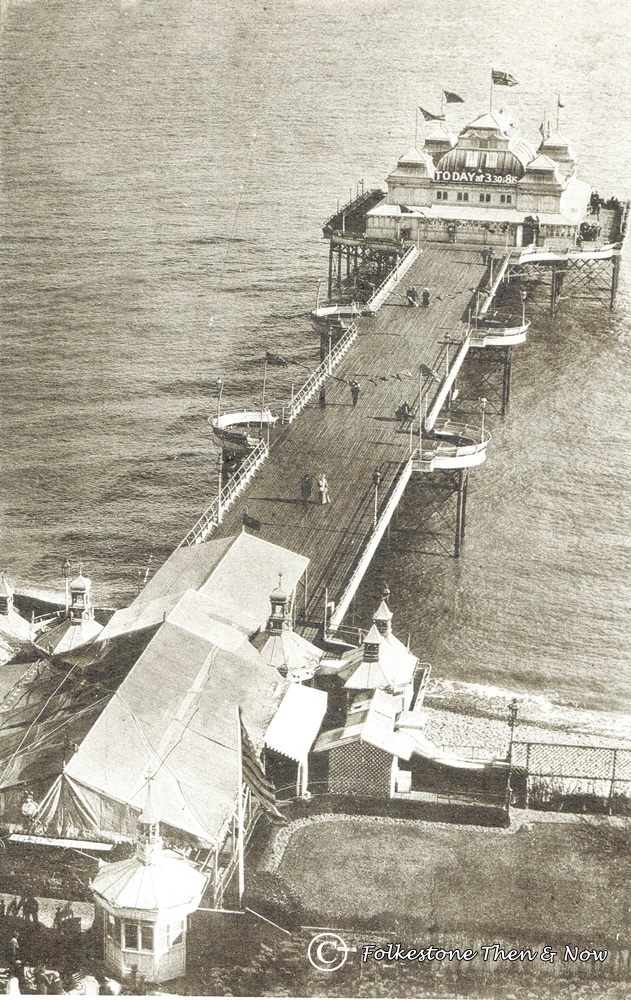
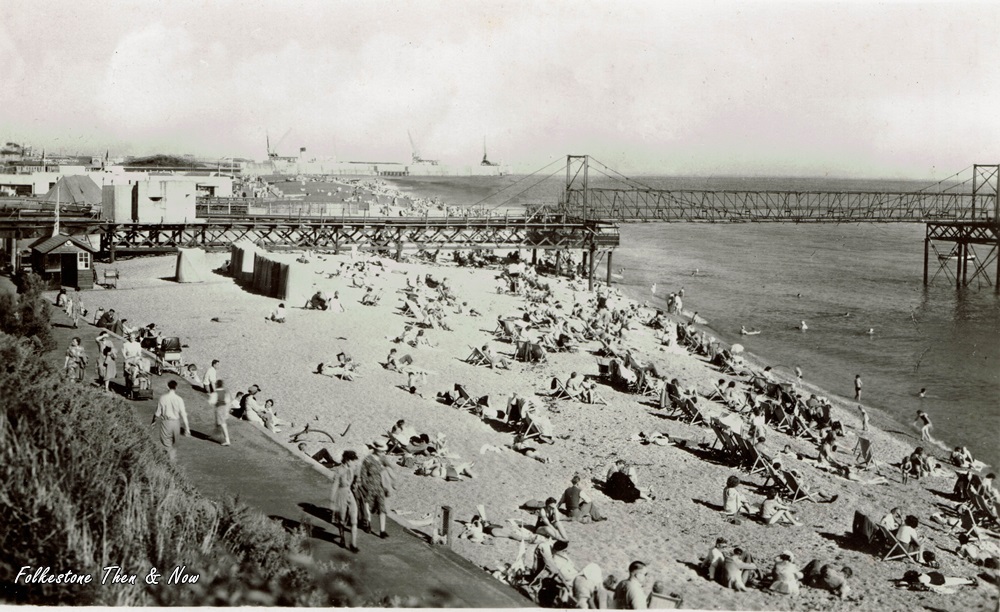
The Victoria Pier was opened by Viscountess Folkestone on 21st July, 1888. It was nearly 700 ft long and 30 ft wide. The pavilion on the end seated about 1,000. Music hall stars such as Marie Lloyd entertained there. The pavilion was destroyed by fire Whit Monday, 1945, and the rest was dismantled in 1954.
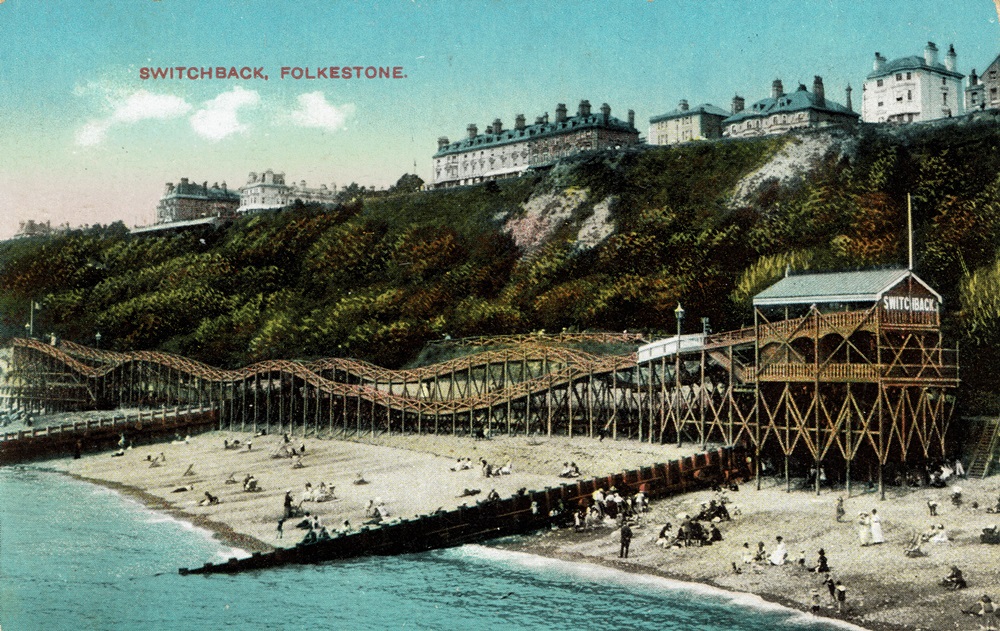
I don't have an exact date for the building of the Switchback Railway, but would imagine it went up around the same time. Unlike today's roller coasters, a switchback consisted of two tracks upon which a car would roll by gravity to the end, where an operator would switch it onto the other track and off it would roll, undulating on the homeward journey. Very tame by today's standards, but lots of fun in those days. As you can see, Folkestone's switchback was built right on the beach, and you will see in some of the photos below what happened to it when the sea decided to be rough.
As it was made of wood, its days were numbered from the outset, and it was demolished in 1918, and the wood that was salvageable was sold to a timber merchant from Ashford.
If you would like to see this wonderful thing in action, I have found an awesome video clip of it on this site: Folkestone At Play 1904 You can even have the experience of what it was like to go for a ride on it. The quality of the video is not great, but let's not forget, it was taken in 1904! With thanks to the National Archives UK for this gem.
Both of these structures were located on the West Beach, just a little further west from the Cliff Lifts. This of course was the main bathing area in those days, and where most of the people gathered to have fun.
You can see more of the West Beach activities on the page of the same name, but right now, let's look at some more old photos of the Switchback Railway and the Victoria Pier.
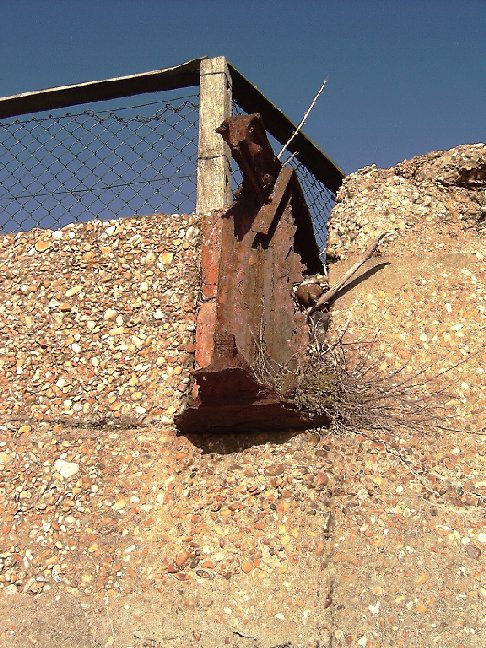
I would love to have been around when Folkestone had a pier, all that was left when I was growing up was a few sticks poking out of the sea - and now there is almost no way to tell it was ever there. I say almost, because there is a very small remnant of it left, that I will show you further down the page.
Just click on the photos above if you would like to see them enlarged.
|


Page Updated November, 2025
If you have your own memories of Folkestone, be sure to share them with us by leaving a message in the guestbook below.
Now, I have someone looking for your help. Ralph Stanton, son of Raphael Stanton, is trying to trace the footsteps of his father during the time he spent in Folkestone before the war. He is pictured here on and near the Victoria Pier. He is on the left in the first photo, right in the second and standing near an unknown lady in the third.
Raphael was born in 1910 as Raphael Stricofsky/Streofsky, but was later known as Raphael Stanton. He was from Stepney, London, but lived in Folkestone before the war, and worked in the Ensign Cafe, 42 Tontine Street. (Yes, the same cafe my mother owned in later years)
If anyone recognises any of these people, or has any information at all, please drop me a line at folkestonethenandnow@gmail.com and I will put you in touch with Ralph.



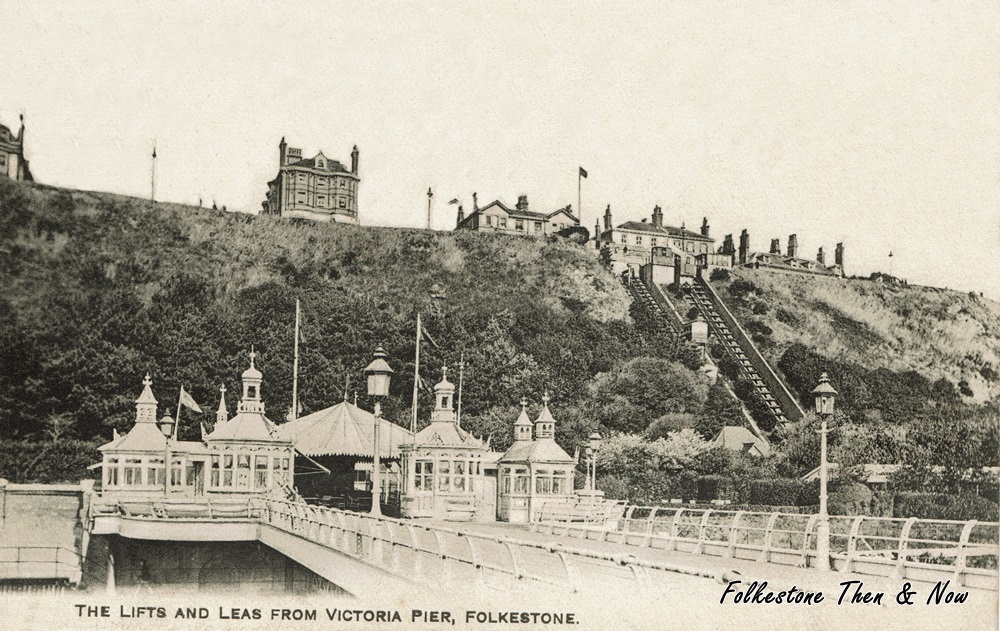
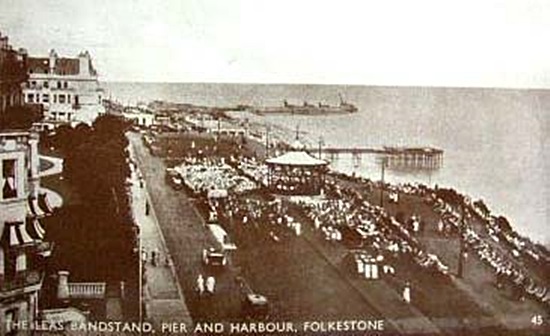
This is a lovely 1911 photo showing you how it looked up on the Leas in those days. Lots of space to build - and they certainly did that! This photograph also shows you the exact location of the pier in relation to the Lifts, one side of which is still there. As I type this, a major renovation is underway to bring the remaining side back into service. It's a major undertaking, as unlike other towns with a funicular lift, they are not converting it to electricity, but rebuilding the original mechanism, and when finished it will run on water the way it always has. These lifts have a page of their own, accessed from the Index page.
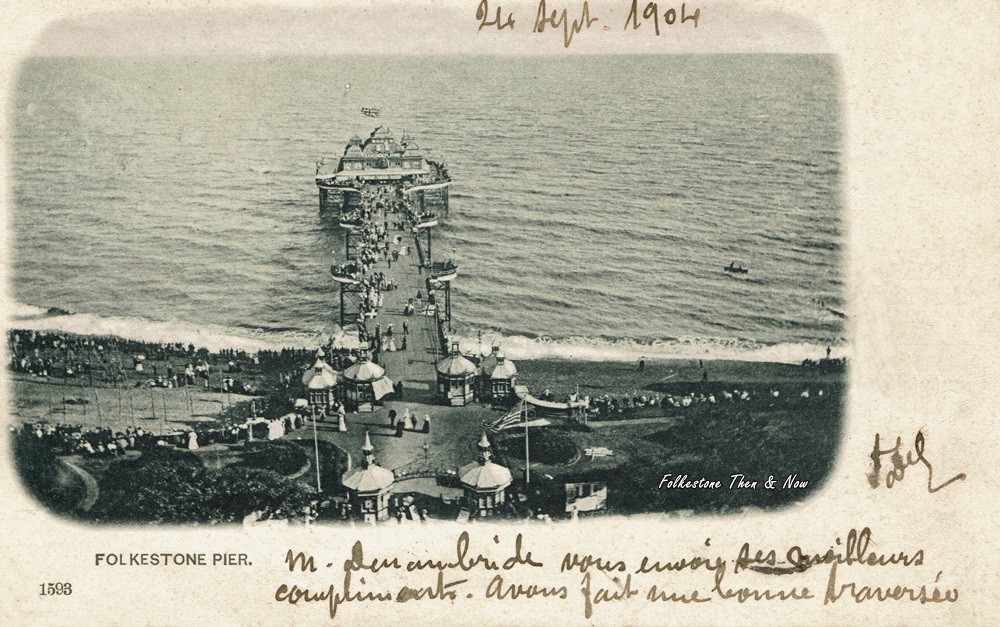
This one is a little grubby, and as you can see, it has been written on the front by the original purchaser, who mailed it back to France 121 years ago! For this reason I decided to leave it intact, it has earned its wear and tear. My schoolgirl french leaves a lot to be desired, but I think it roughly says "Mr. Duranbride sends his most sincere compliments. Wishing you a good journey." Looks like the tide was quite far in that day, but there are lots of people out on the Victoria Pier.
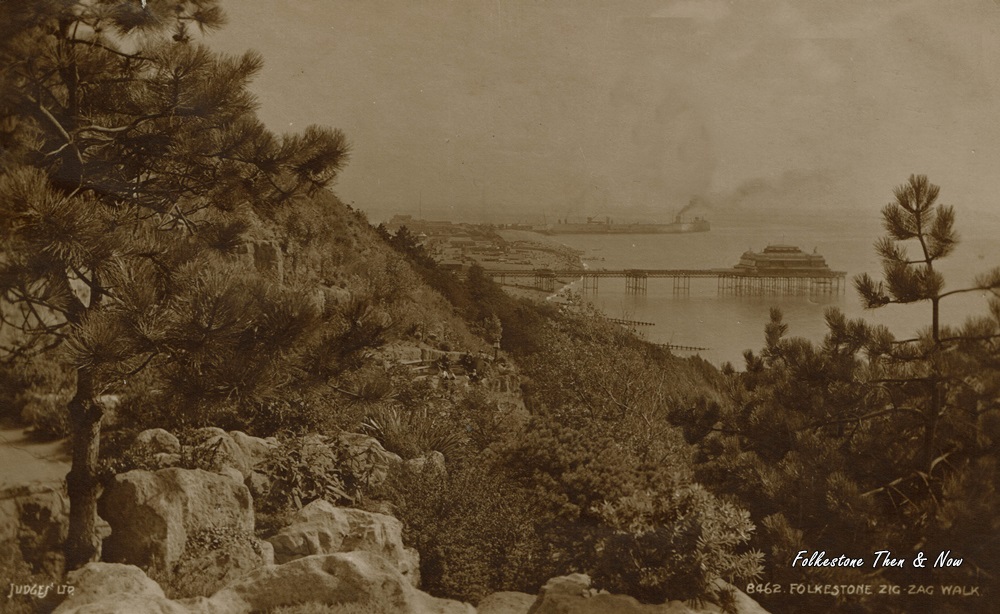
Not quite as old, but was mailed in 1927, this image was taken from the ZigZag path, a man made rocky walk from the Leas to the Lower Sandgate Road. In the distance you can see the Pier in the harbour, and judging by the smoke, I would guess a paddlesteamer was just about to head across to Boulogne, France.
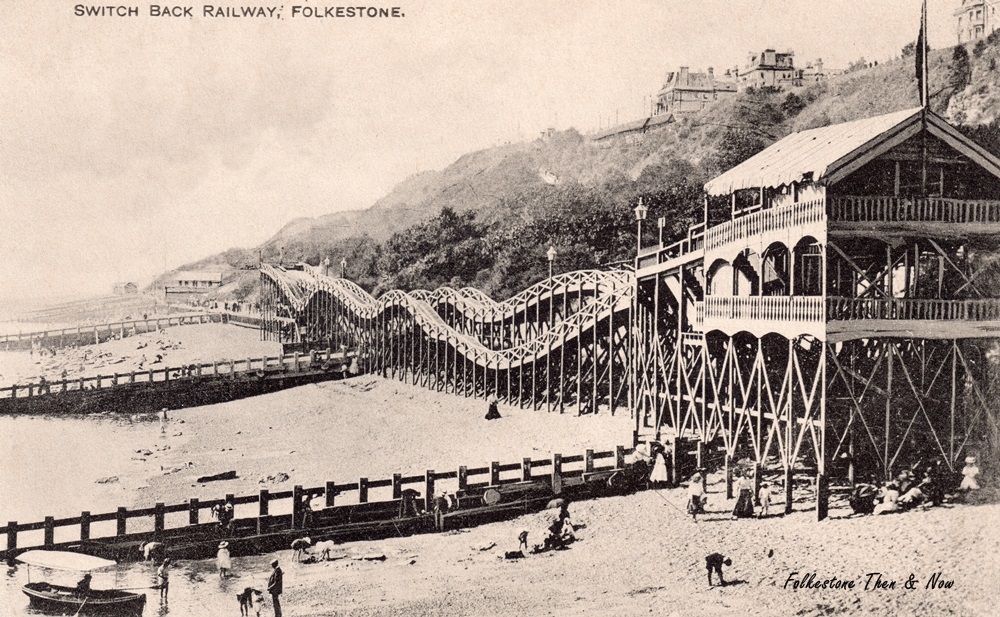
You can see in this 1917 photo just how big the Switchback Railway was when you compare it to the size of the people on the beach. It also shows the little rowing boat that you could hire, along with the oarsman to take you for a little jaunt round the harbour. As you can see, it was equipped with a sunshade to prevent you getting sunstroke on hot days. It must have been an interesting ride, as there was a lot going on in the harbour in those days, fishermen bringing in their catch, ferries coming and going bringing passengers and cargo. Then there were the collier sailing boats unloading coal from up North. A veritable hive of activity, and plenty of jobs for the people of Folkestone.
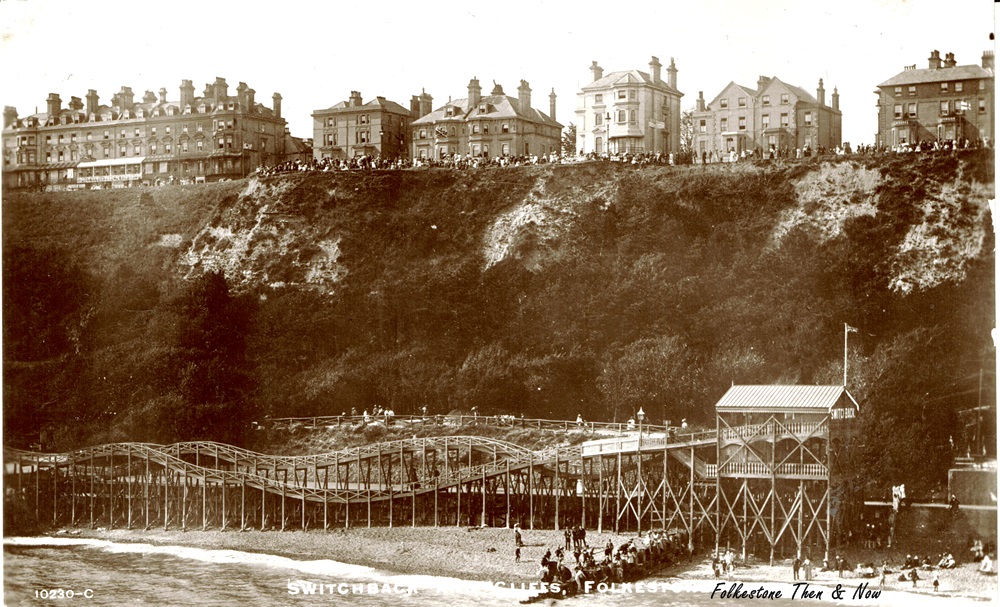
This card was mailed in 1914, just as the first world war was beginning. It was made of wood, and always took a beating from the sea on angry days. I guess during the war, it was not running, and there was nobody available to maintain it, so as it was unsafe by 1918, it was demolished.
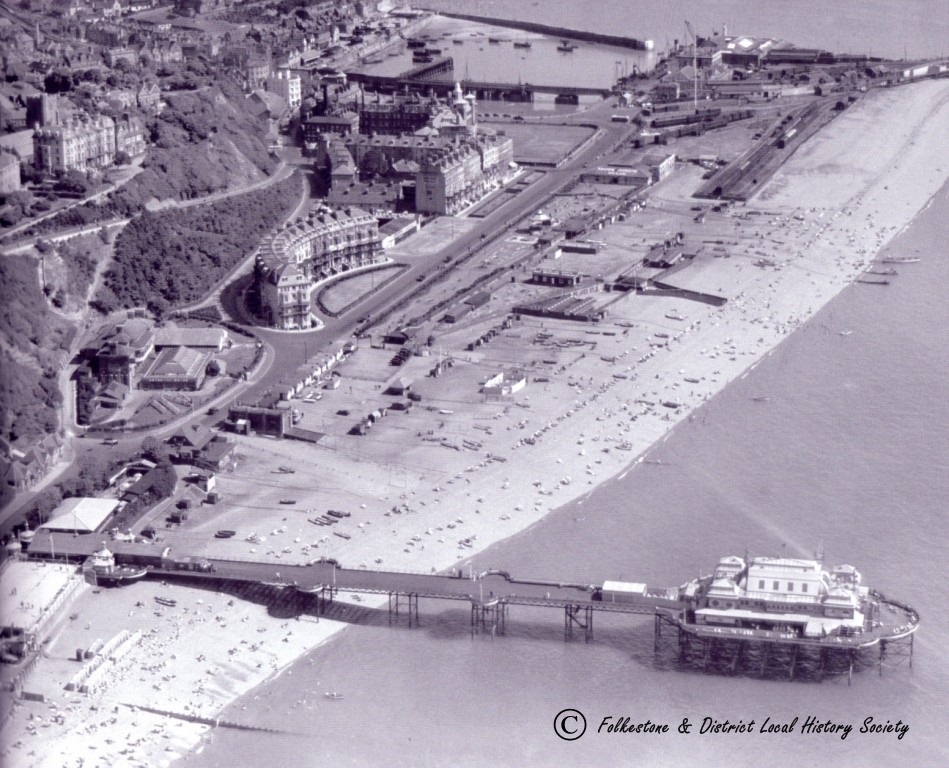
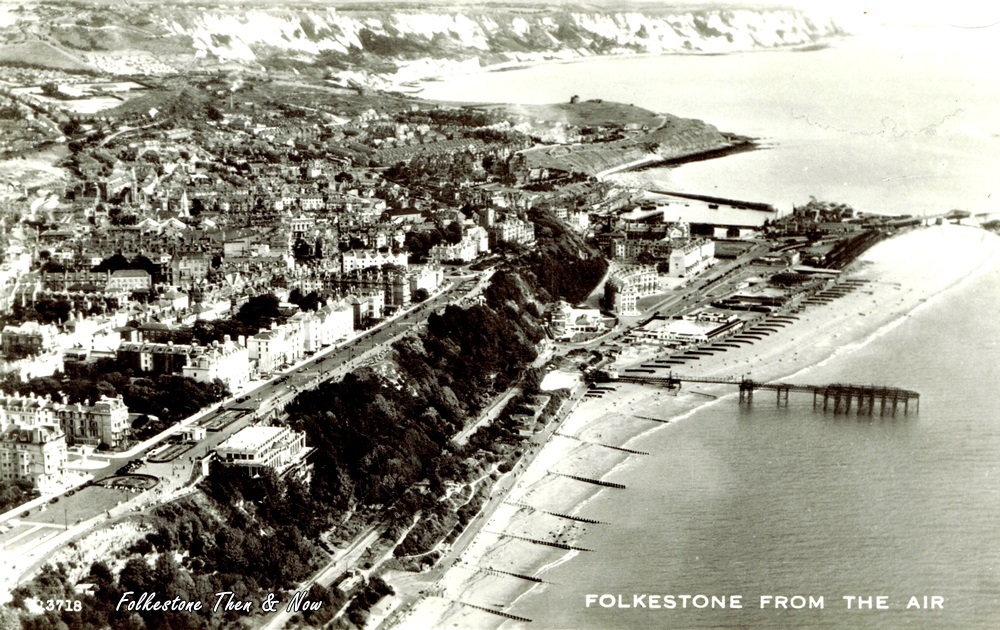
A beautiful aerial shot belonging to the Folkestone & District Local History Society, who have given me permission to use it. It's not only a good view of the whole pier, but also the Olympia Roller Skating Rink that was attached to the entrance for a few years. To the right of the pier on the other side of the road, you can see the Bathing Establishment, or Marina as it was renamed after WW11. However, I think this dates from before the second world war. Directly in front of the Bathing Establishment you can see the Lifeboat Station.
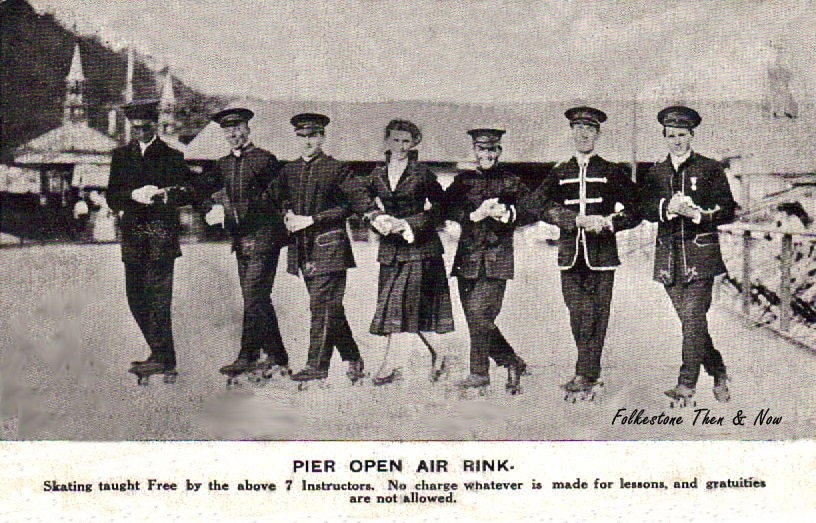
Talking about the Olympia Skating Rink, here are the instructors from whom you could obtain free lessons. The postcard is of very poor quality, but probably because they gave them away, they went for the cheapest printing option available. I once bought a Folkestone postcard, (below) and discovered it had been sent home by a Skating Instructor, who was starting the job the next day. He was extremely excited to have landed the job. I have no idea if he is one of the above. But his family must have been pleased to get a photo of his workplace.
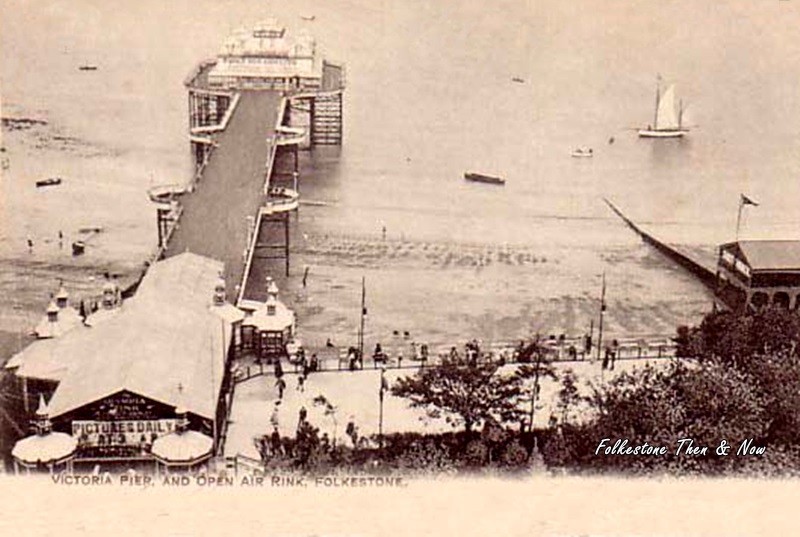
This card tells you they used to show films at the end of the pier in those days.
To the right of the pier, you can spot the yacht Gertie, who also offered sailings around the harbour.
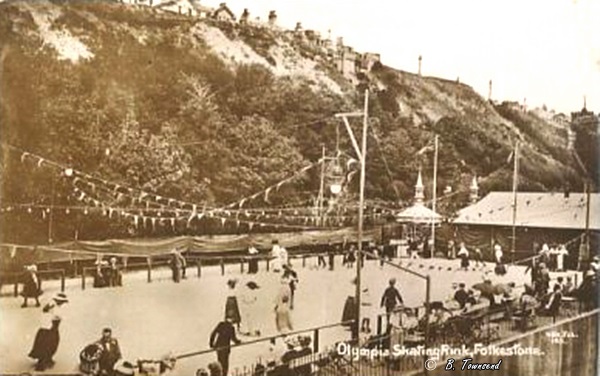
The Olympia Skating Rink in full operation. It looks like they had it blocked off from public view all the way round. I guess if you wanted to get a glimpse of the ladies' knickers when they fell over, you had to pay for the privilege. Can you imagine roller skating in a skirt and hat? At least the skirts were hiked up shorter for safety. With enormous thanks to B. Townsend for sending this scan.
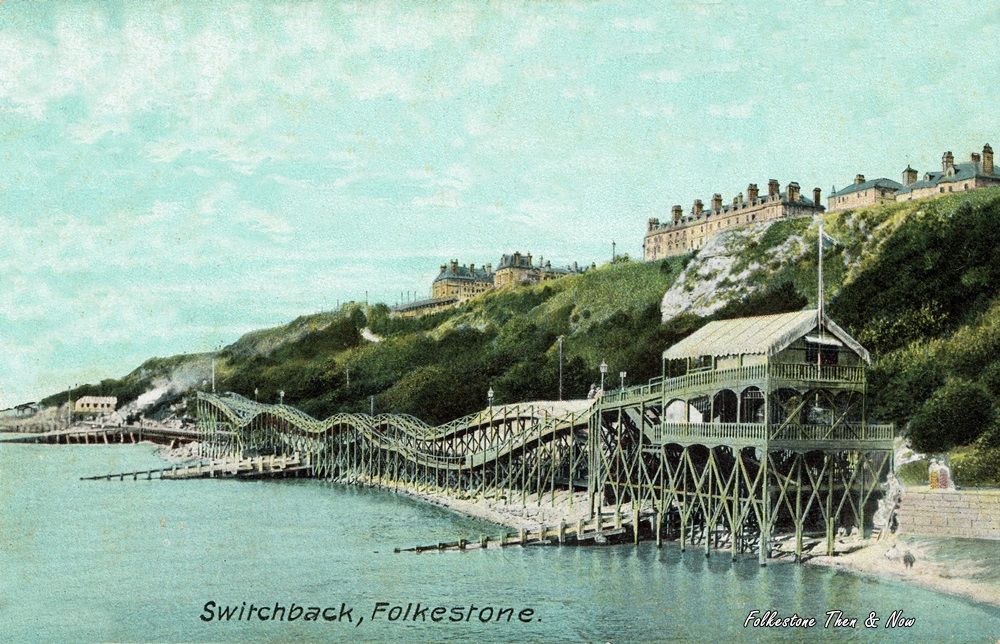
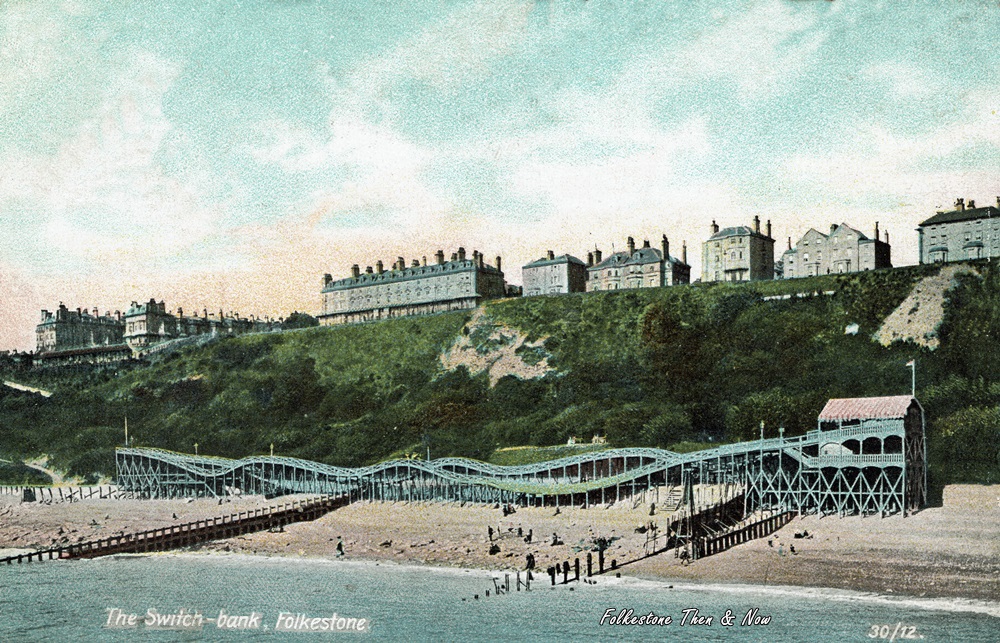
Not much difference in these two, as they were mailed only a year apart, 1905 and 1906 to be exact. The 1905 on the left looks as if they might have suffered a bit of a landslip in the distance just before the photo was taken. The hut you can see nearby was changing rooms for the mixed bathing area. The tide was also a lot further in compared to the 1906 on the right. Can you spot the mistake on the 1906 card? For a change, it's not mine - it has been entitled the Switch-bank, Folkestone. I have seen worse errors on cards, like a picture of Folkestone entitled Felixtowe!
1905
1906
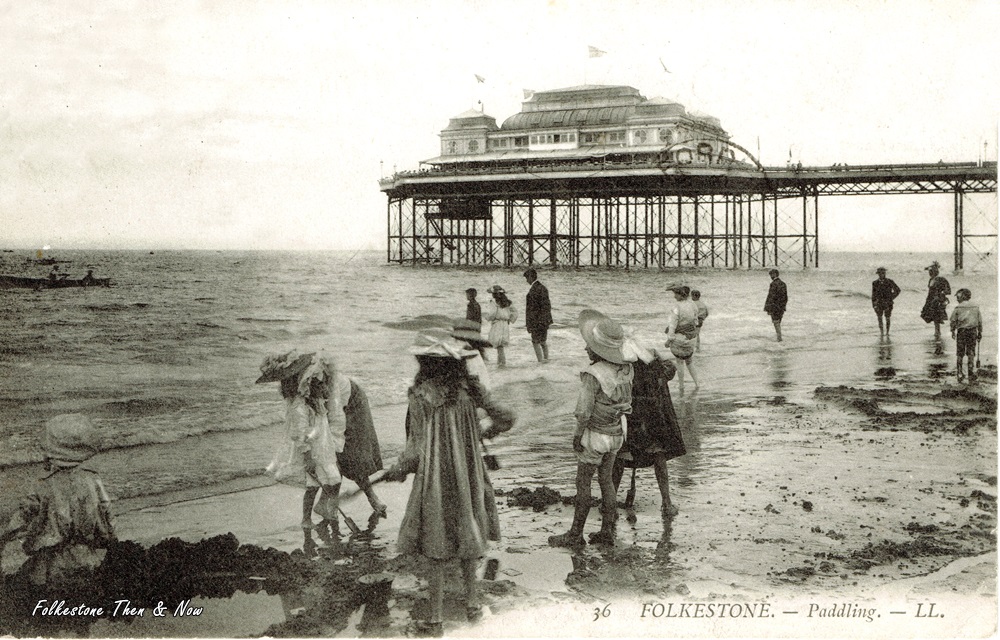
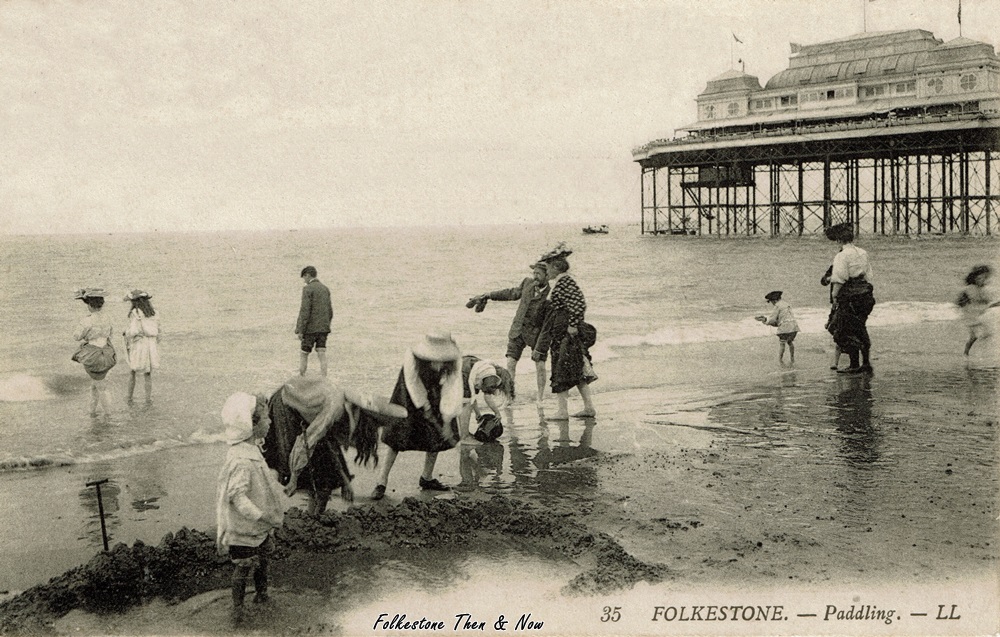
These are two of my favourite cards, obviously taken on the same day, as you can see several of the same people in both. When the tide was out, there was a stretch of sand exposed that was a magnet for the children to play in, so much easier on the feet than the shingle further up the beach, and they made the most of being able to build their moated forts and castles. At that time, the East Cliff Sands - or Sunny Sands as it is known as today, had not been cleared and developed, and was being used by fishermen. So the West beach was the place to go for recreation and fun.
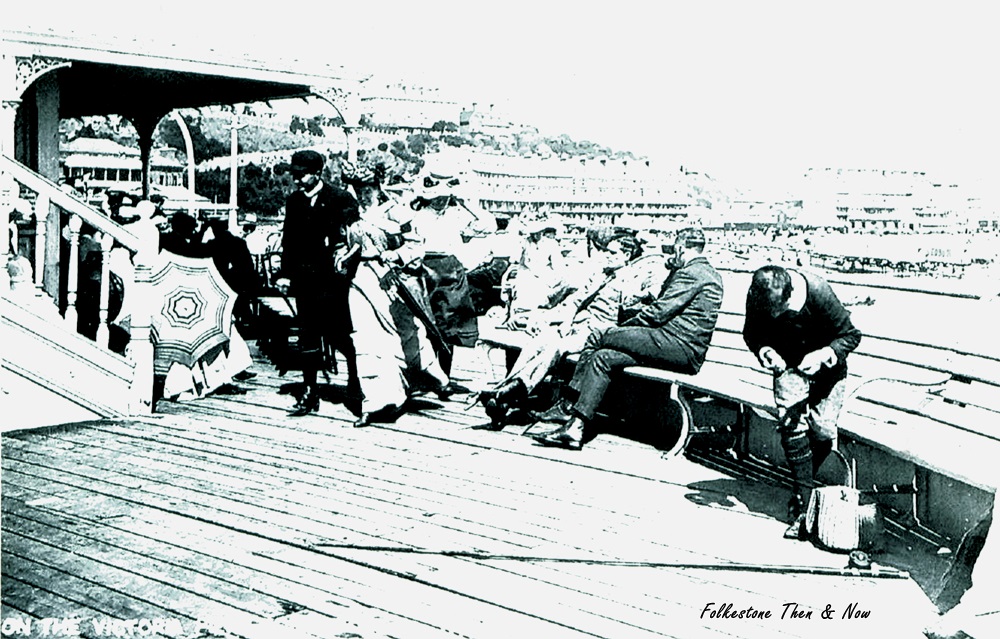
I bought this as a photograph of a postcard, and not a very good one either, but as I had never seen the card for sale, I settled for this, as it showed a closeup of people sitting on the pier. I have no date for it though
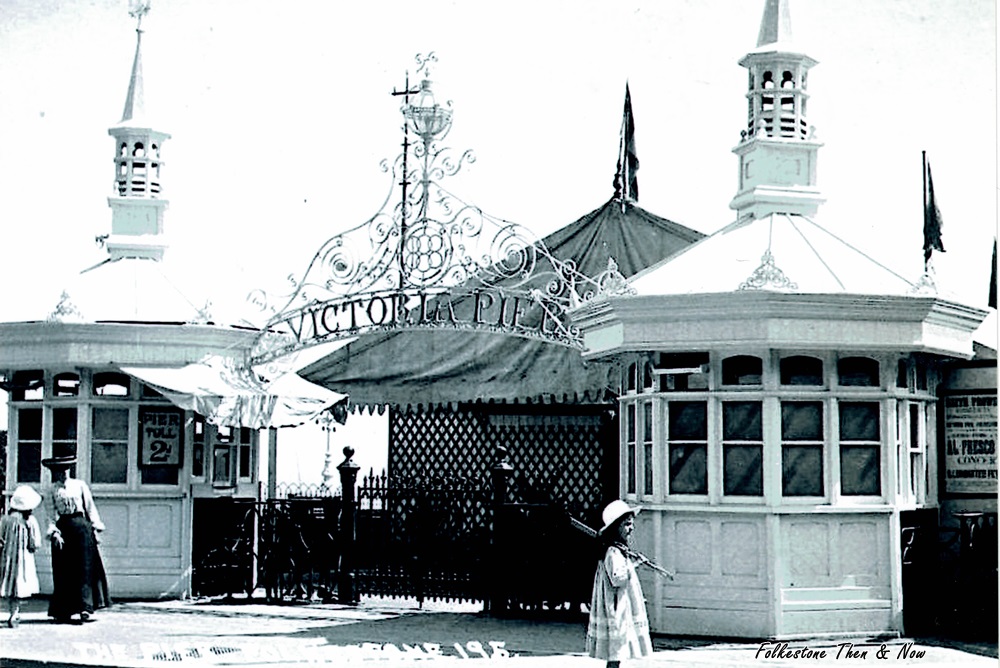
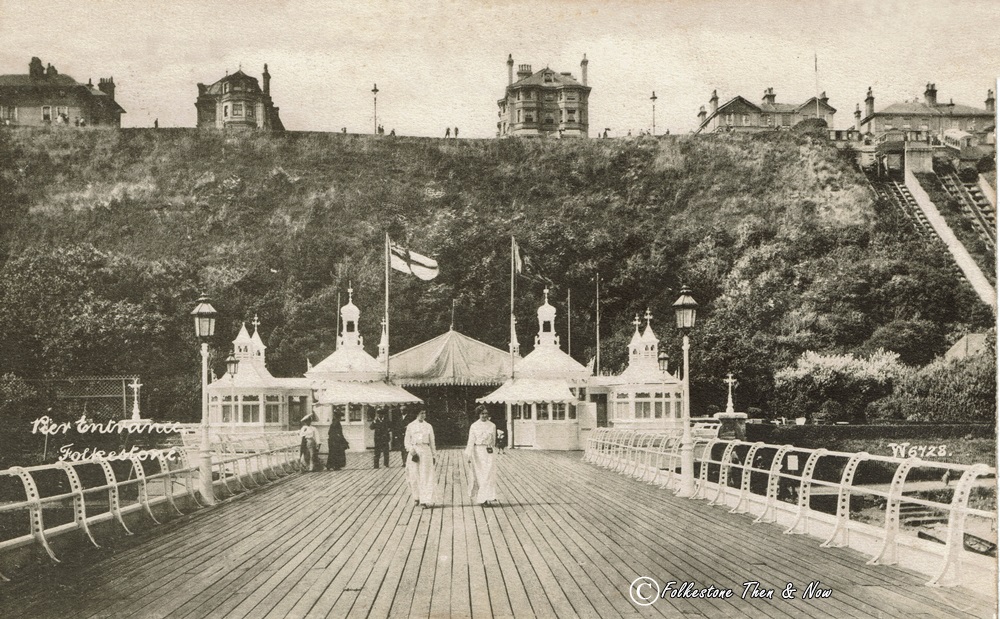
I think I bought this photo from the same photographer, so over exposed I can't read the title. But at least we can see it is the entrance to the Victoria Pier on the Lower Sandgate Road. We can also see it cost 2d to gain entry to the pier. Is that about 5p in today's money?
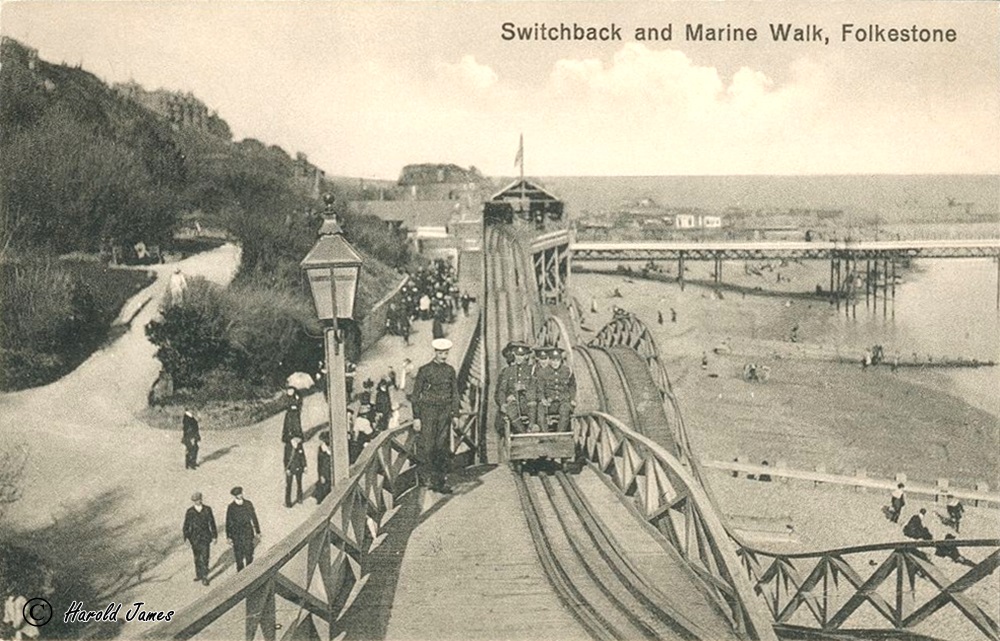
This one, sent to me by Harold James, shows some soldiers that have probably popped down from Shorncliffe Camp for a bit of fun. I would guess it dates from around 1912. It's great, thank you Harold.
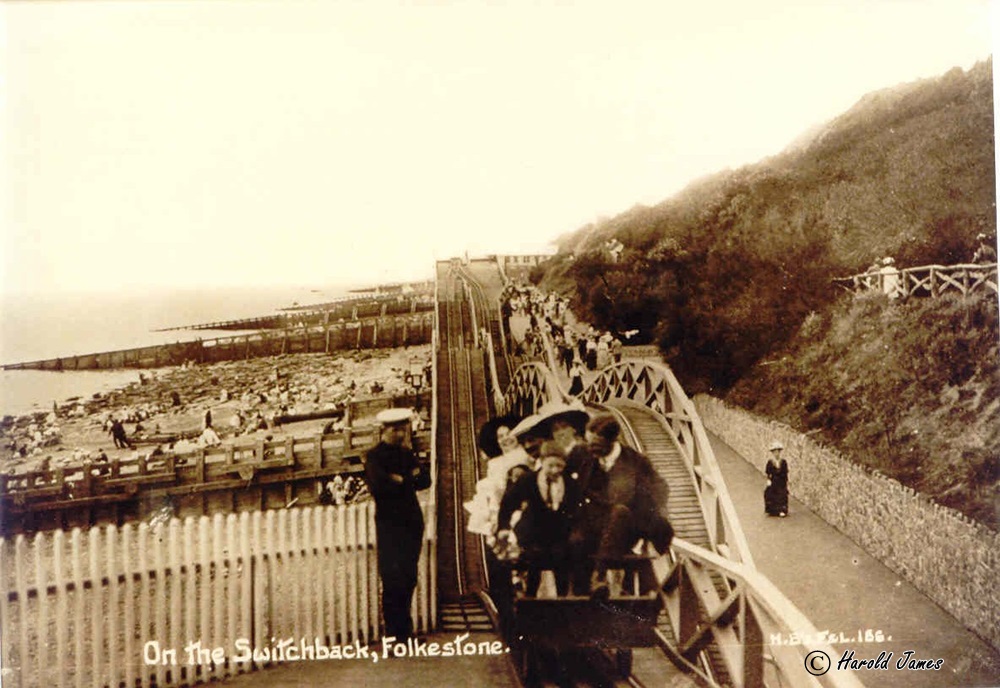
Also shared by Harold, this one also shows people having fun, just coming to the end of the ride.
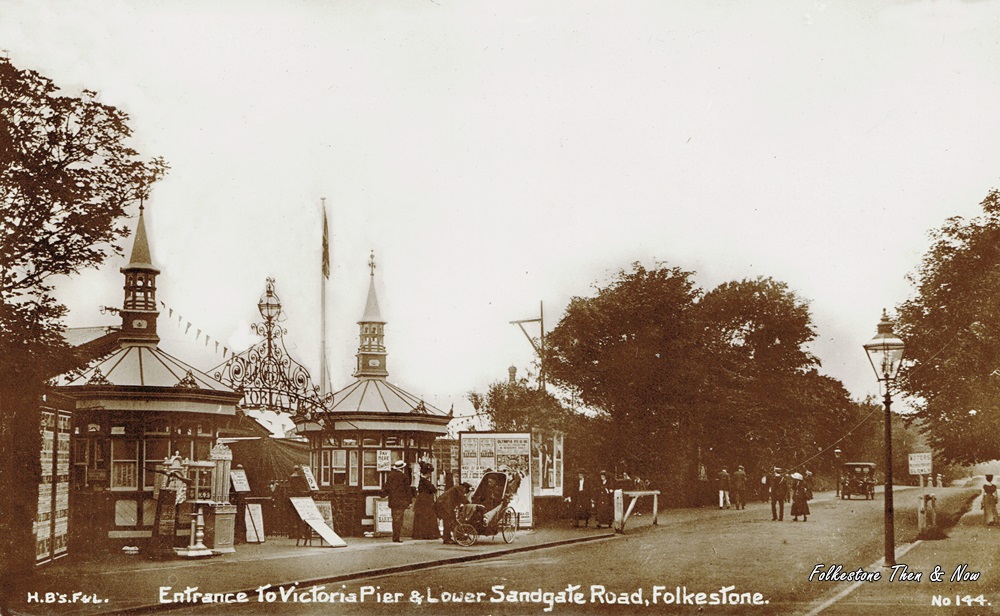
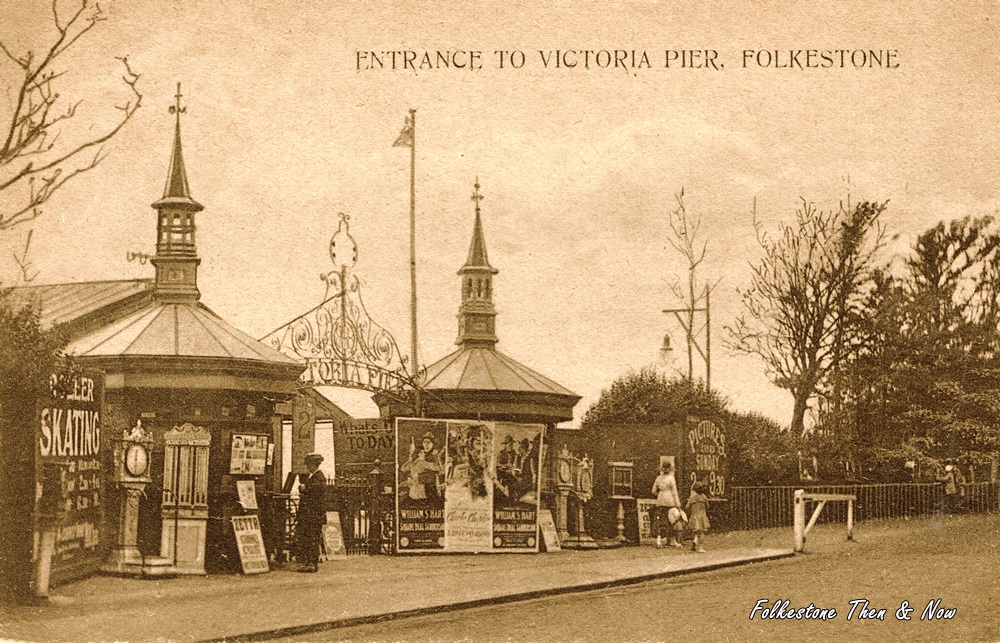
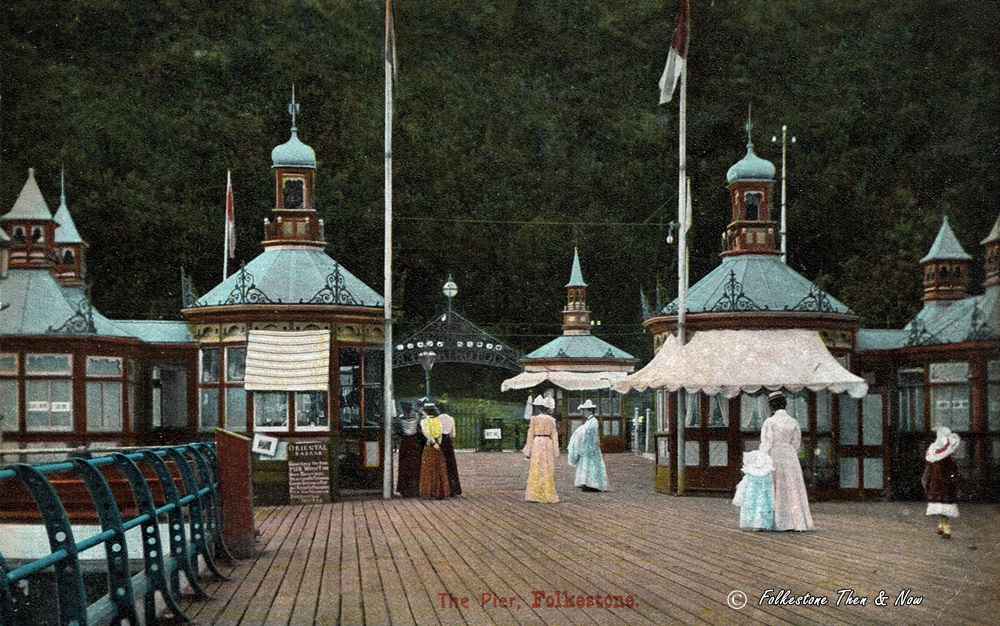
A couple more images of the Entrance to the Victoria Pier, with lots of advertising for the skating, plus what is showing at the end of the pier. Lots of vending machines too, along with a big scale to check if you have eaten too many ice licks (see the lifts page for an explanation of those) Nobody had bathroom scales in those days, in fact you were very fortunate if you had a bathroom. Many had a tin bath that you brought in to place in front of the fire, some had outside flush toilets, but more had a smelly wooden cubicle at the bottom of the garden. There is a nice picture of a bath chair in the view on the right. They were the Victorian's answer to a wheelchair.
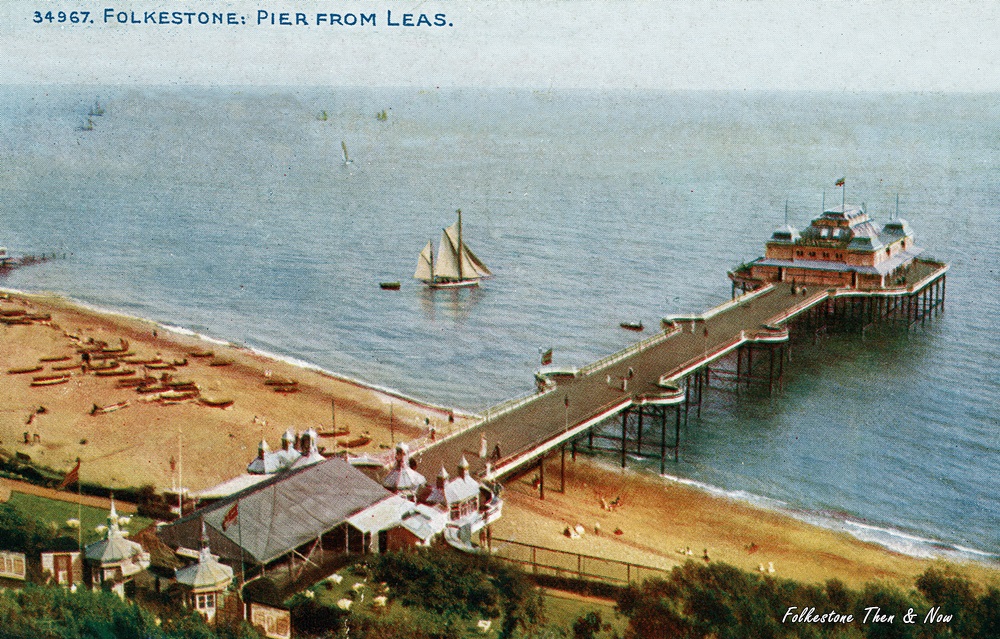
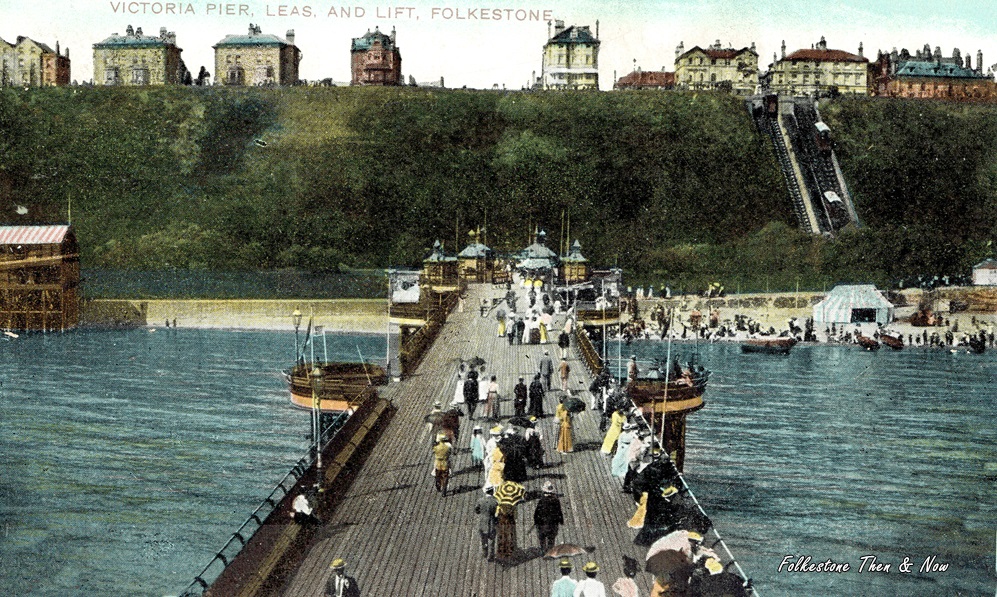
A nice picture of the Victoria Pier, even if it does make the shingle look like sand. As there is no advertising on the pavilion at the end, and no skating rink I am wondering if this was the days of live entertainment before they turned it into a cinema. There are billboards up at the entrance, shame we can't read them. You can see Gertie moored alongside, I guess when she had customers, he would row to shore in that little boat to pick them up and take them back to the yacht.
A busy day on the pier, you can see all three attractions on this one, the pier, the switchback railway and the double lifts. I wonder what was inside the large tent on the beach? I guess we will never find out.
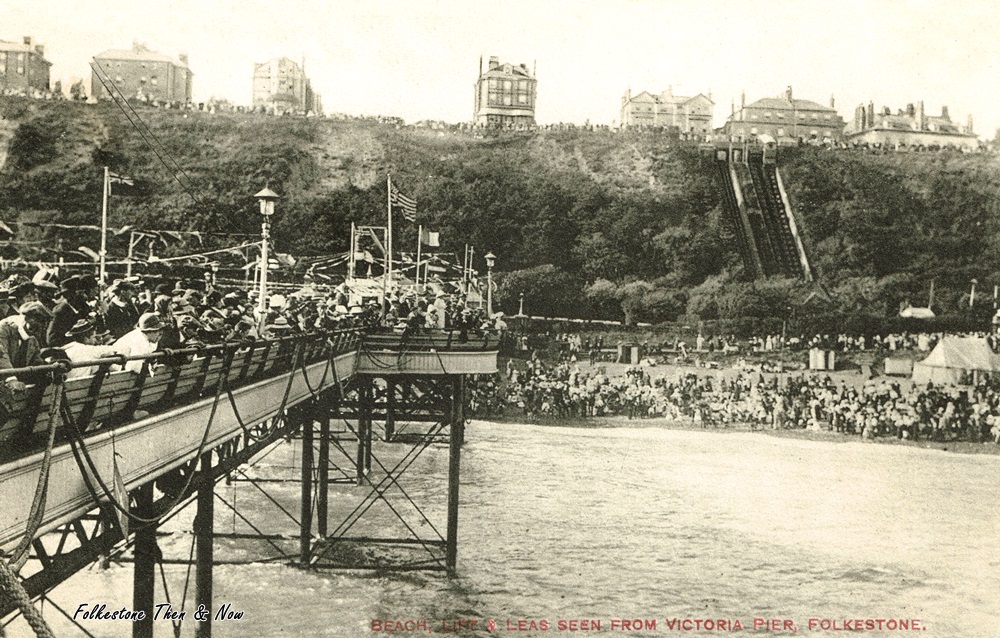
Well, if we thought that last one was a busy day, this one dating from 1912 was absolutely heaving! I have to wonder if there was a Regatta going on, the way everyone is crowded round the water's edge, and leaning over the side of the pier
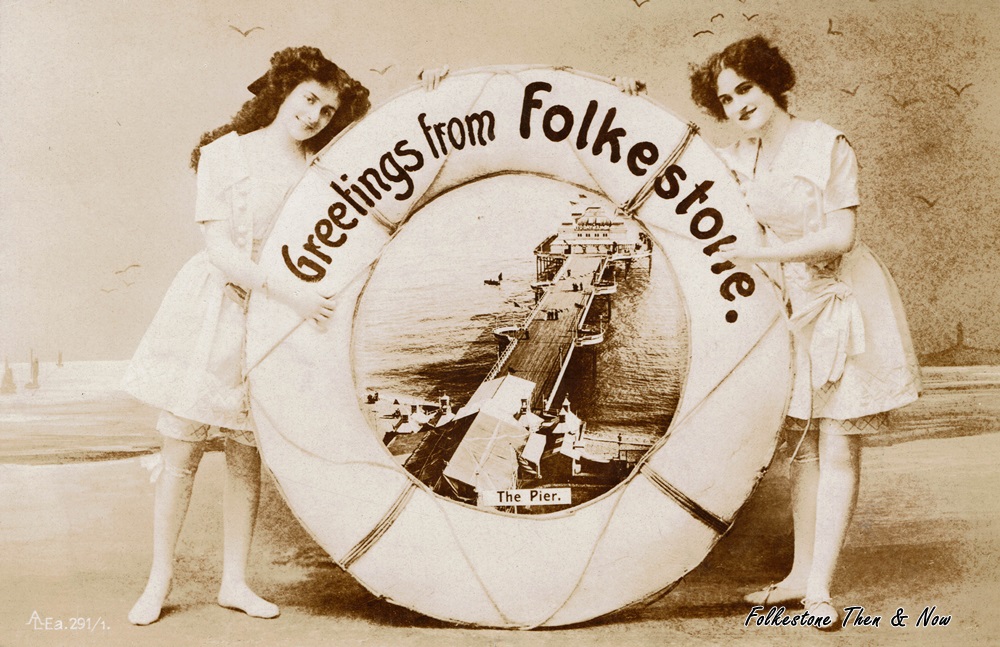
They even featured the Victoria Pier in the centre of this Greetings Card dating from 1908.
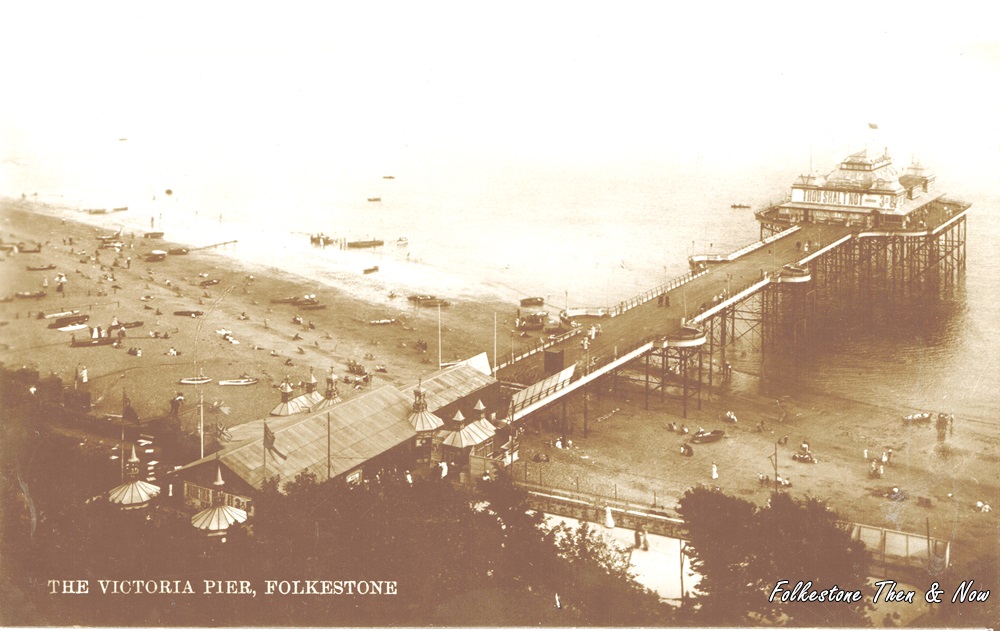
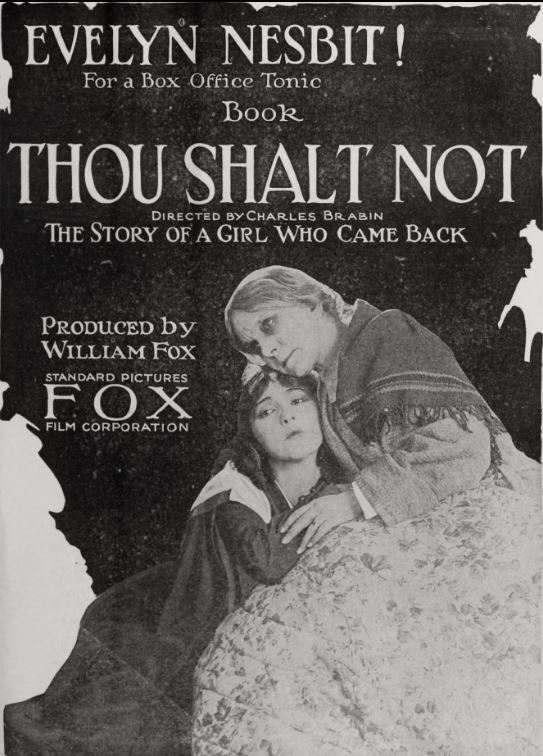
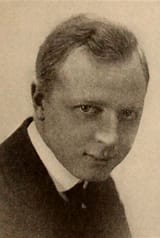
Playing at the end of the pier when this photo was taken was 'Thou Shalt Not', an American silent movie starring Evelyn Nesbit, Florida Kingsley & Gladden James, released in 1919.

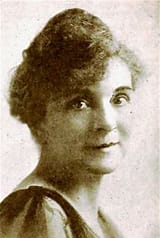
Evelyn Nesbit
Florida Kingsley
Gladden James
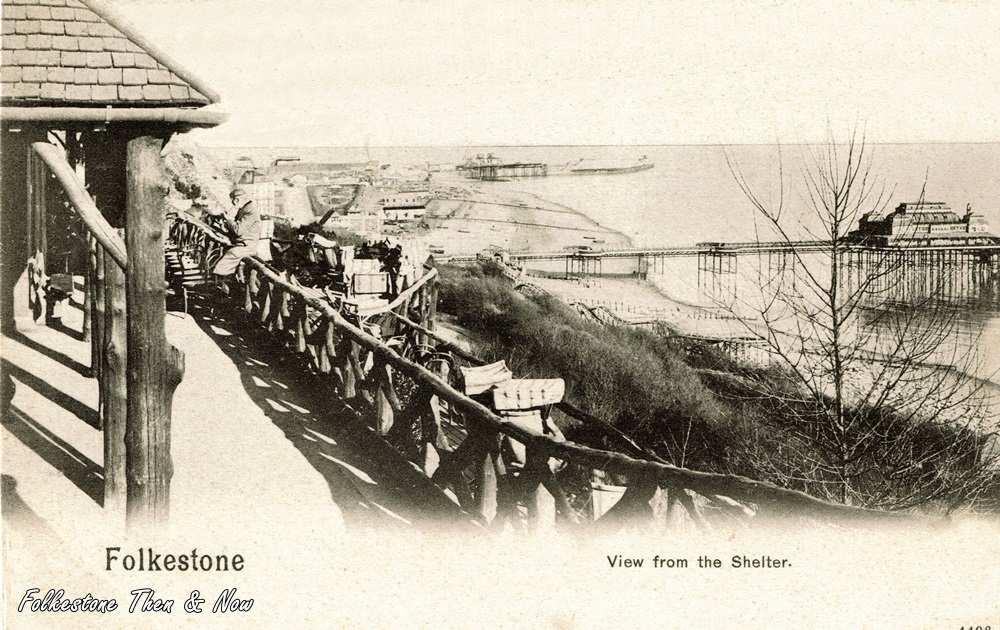
A couple of undated postcards. On the left it shows the view from the shelter, with a group of people leaning over the fence watching the Switchback Railway, with the exception of one person, I think it is a man, but not certain, straddling the fence and not looking at the view at all. If it was about a hundred & ten years later, I would say he was absorbed on his phone.
This is a nice view of the other side of the Victoria Pier entrance, the lifts and The Leas, just look at that space up there - the highest building has just three floors and an attic.
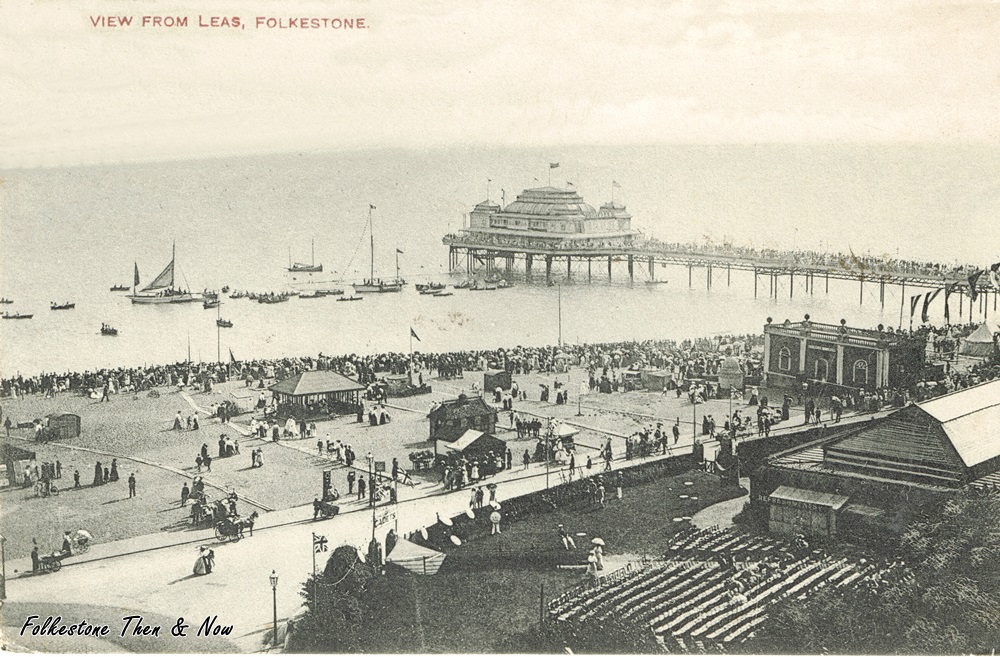
Another busy day in 1910, I would say this was definitely a Regatta judging by the amount of boats out there. The view, taken from The Leas, shows the Lifeboat Station on the beach to the right, various shelters and kiosks doing a brisk business. In the bottom right of the picture, next door to the Bathing Establishment, is the Red Roof Chalet, and outdoor theatre, usually featuring Cardow's Cadets, and/or Follies. See the West Beach page for more information on those.
If you are wondering why you are getting no 'Now' photographs, it's because there is nothing left down there! The Pier and Switchback are distant memories for a few, but they were gone for most people before they were born, and many were not aware they had ever existed. The lifts are still there, as I said further up the page, they are currently undergoing major repairs, and the Lower Leas Coastal Park, covered on the Parks & Gardens page. Apart from that, there is only this, the Shoreline flats and beach houses that I believe are now ready for occupation. The whole area has been cleared of everything, including the swimming pool, the boating pool, the Rotunda, and the Marine Gardens Pavilion.They plan to build these all along the beach up to, and including on to the harbour. They are waiting for these to sell first. Price starts at £330,000. which is probably one without a sea view. So if your dream home is living in a flat with shingle for a garden, and your view to sometimes look like those photos below, Shoreline is definitely the place for you. Thank you Kent Online for the photographs.
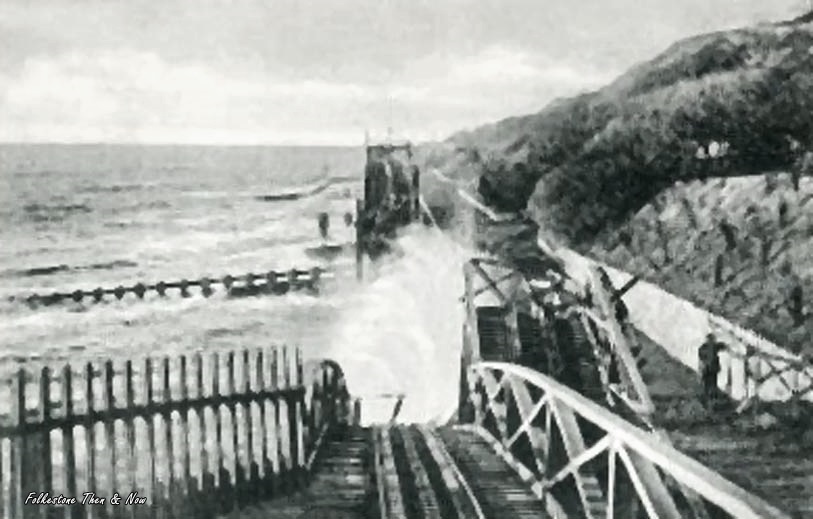
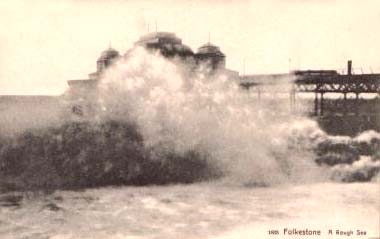
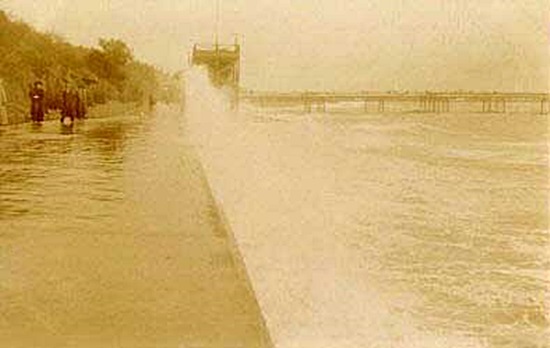
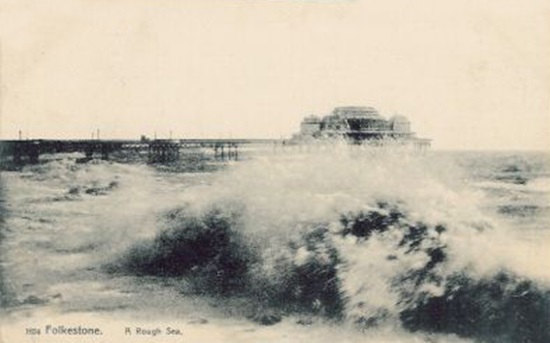
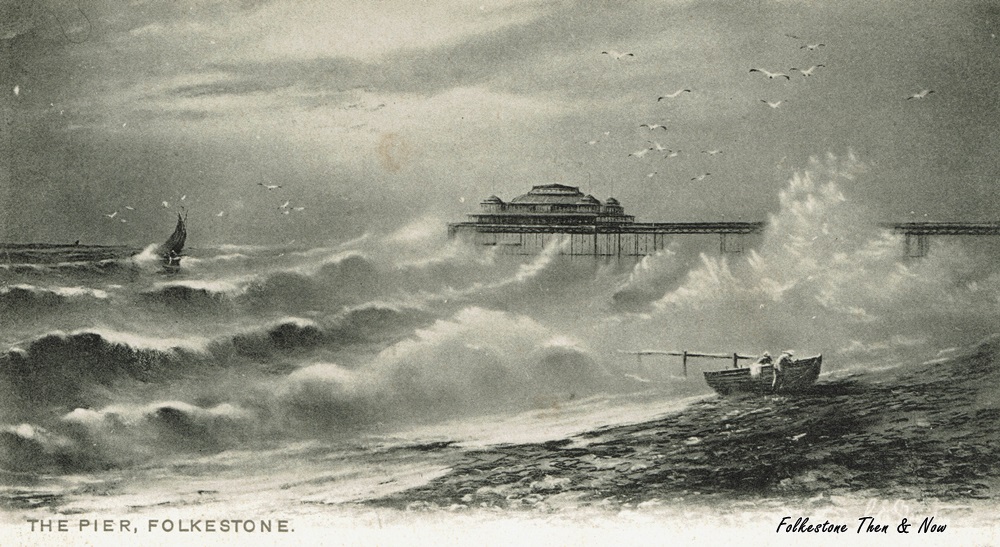
A few photos showing the beatings endured by both the Pier and the Switchback on occasion. Apparently they say it cannot happen to the new apartment blocks, I guess time will tell on that one.
As I said above, the Switchback survived until 1918, when it became unsafe, and had to be dismantled. The Pier withstood the elements, however, during the second world war, a part of it was taken away to avoid invasion. After the war, a temporary piece was attached again so the pavilion on the end could be put back into use. But before that could take place, on Whit Monday, 1945, a mysterious fire destroyed the Pavilion, and the rest of the pier was dismantled in stages, with the final sticks that had been visible poking out of the sea when I was a child, were taken away in 1954.
1950
Post-war repair
After the fire
2003
2003
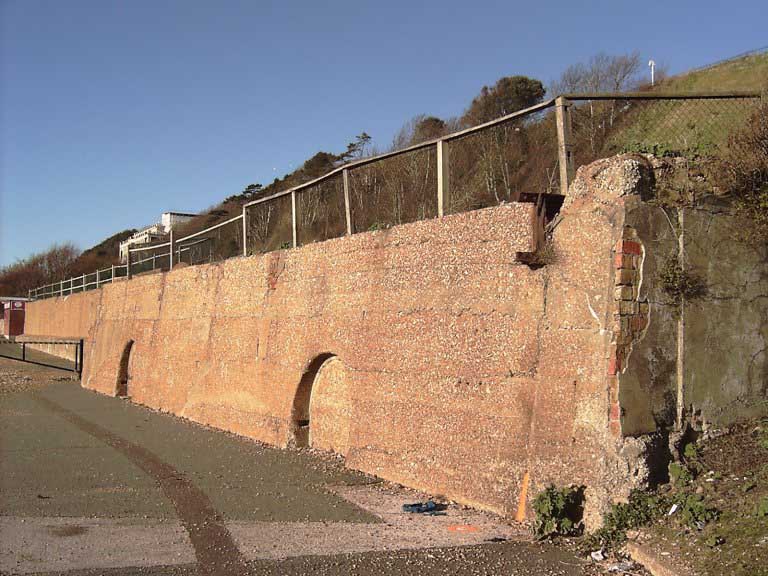
I mentioned at the outset of this page that there was a small remnant of the Victoria Pier still in Folkestone, at least there was in 2003. There has been so much demolition done to the seafront, I am hoping it is still there, on the wall just left of the the lifts. But looking on Street View, I have misgivings that it has survived the construction of the flats. Many thanks to Ian Lacey for the close-up shot on the right. If anyone is taking a stroll along there, please have a look for me, as I would love to know if it is still there.

Before we go, I want to show you a few personal photos people have sent to me. This one is of a friend of mine, George Hills, as a child with a friend of his mother's, having a paddle with the Victoria Pier in the background.

George lives in West Hythe, and often sends me photographs of interesting things he comes across when out and about walking his dog. You will see his name on several photos throughout the site.


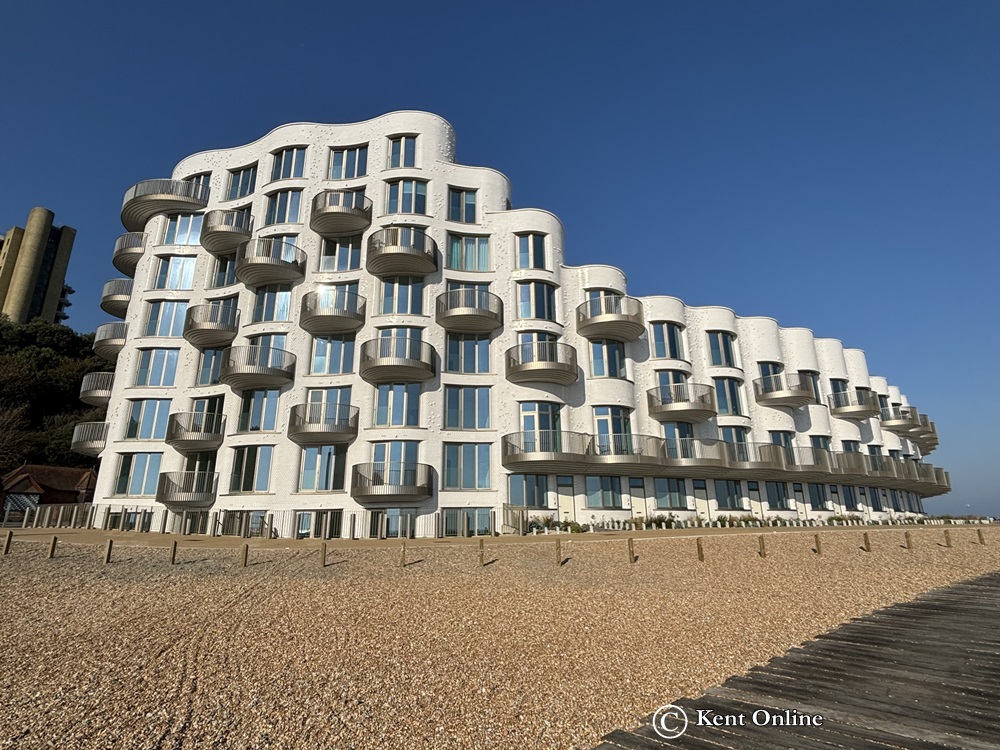
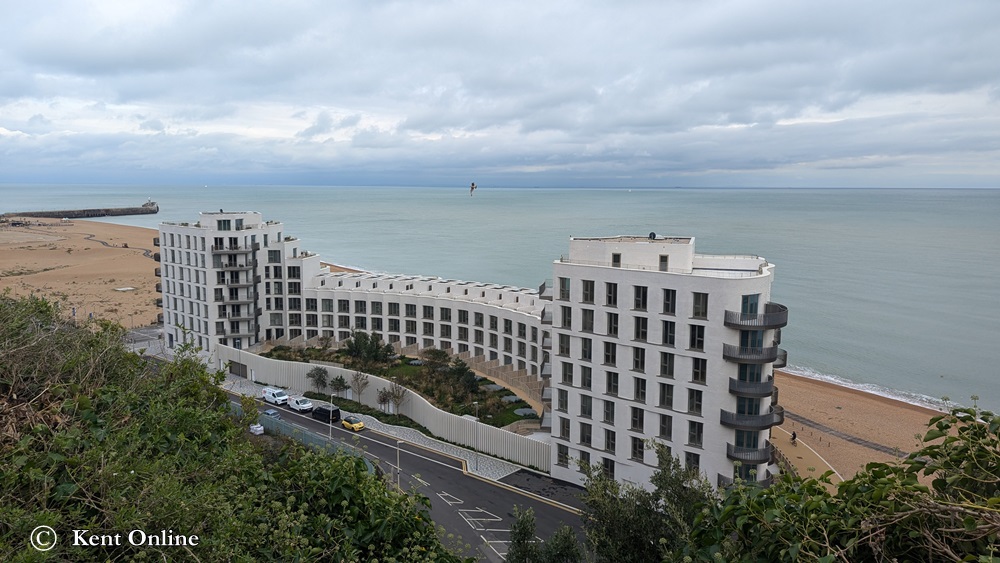
This side of Shoreline faces the Lower Sandgate Road, opposite the Lifts that take you to The Leas and town centre.
This side faces the sea, and most flats have a balcony on which to sit and breath in the sea air.